Certain signals to Russia can indeed be conveyed.
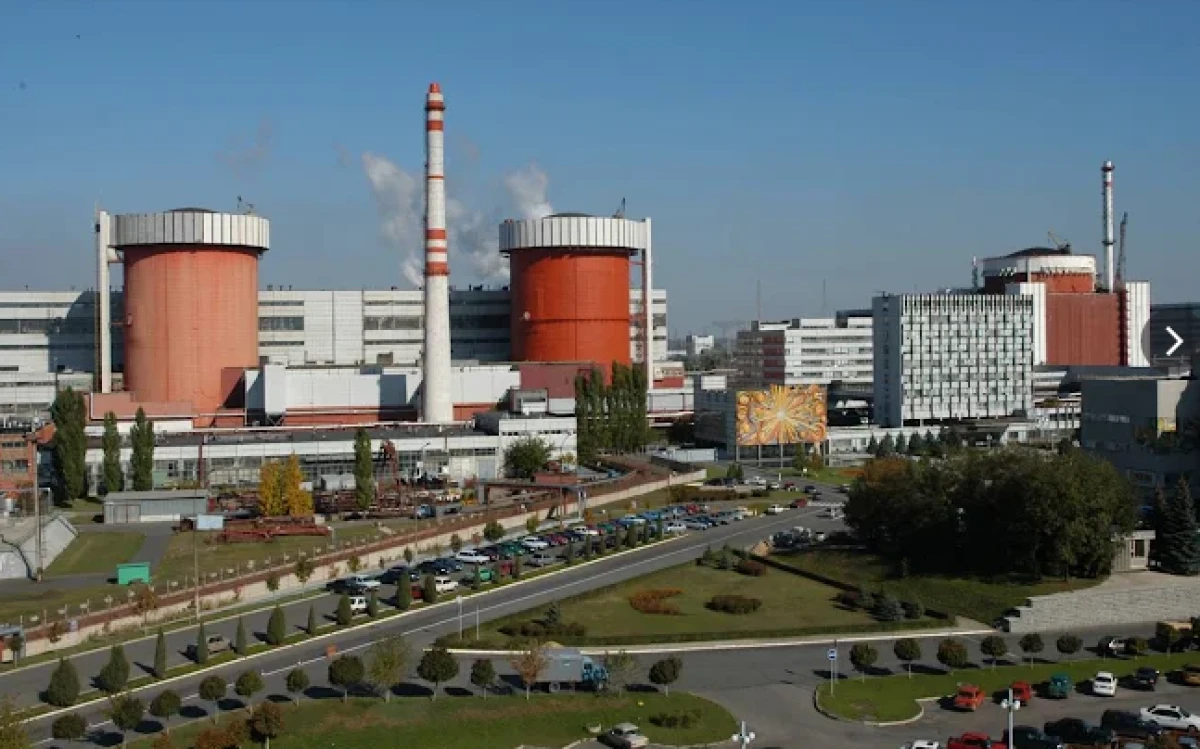
The situation around the Zaporizhzhia nuclear power plant remains one of the key risk factors for further escalation of the war, and China, as a permanent member of the UN Security Council, could play an important role in deterring dangerous scenarios. This was stated by political scientist Igor Chalenko, chairman of the Center for Analysis and Strategies, during a broadcast on the FREEДOM channel.
According to him, publicly, Beijing is likely to limit itself to traditional calls for de-escalation, but behind closed doors, it may convey tougher signals to Moscow regarding the unacceptability of threats to nuclear safety.
"Publicly, we will probably continue to hear calls for de-escalation. But regarding behind-the-scenes channels, certain signals to Russia can indeed be conveyed. We have already seen examples of how China influenced the situation at critical moments and helped prevent its development according to the most dangerous scenario," Chalenko noted.
He reminded that, according to unofficial sources, it was China's position, along with the efforts of the United States, that could have played an important role in preventing Russia from using tactical nuclear weapons in the fall of 2022.
"At that time, the risks were indeed present. This showed that China is capable of taking a serious part in international security issues when it comes to critical threats. Therefore, it would be desirable for official Beijing, as a nuclear club country and a permanent member of the UN Security Council, to respond to the current situation around the Zaporizhzhia NPP," emphasized the political scientist.
He noted that in recent weeks, the international community has repeatedly called for reducing tensions, but Moscow continues to demonstrate opposite actions.
"China literally called for de-escalation just days ago. The United States has also raised this issue twice at UN Security Council meetings. But we continue to see threats regarding the Zaporizhzhia nuclear power plant and further escalation from Russia," stated the chairman of the Center for Analysis and Strategies.
He pointed out that threats to nuclear safety are not limited to the situation at the ZNPP.
"Before this, we observed the situation around the Chernobyl NPP, when representatives from dozens of countries were able to see the consequences of damage to the protective confinement after a strike by a Russian drone. Additionally, the Chernobyl museum was recently destroyed. All of this is links in the same chain. But Russia's actions indicate a reluctance to heed international calls. We see many steps that show: the Russians do not want to listen to either China or the United States. Despite calls for de-escalation, Moscow continues to use the topic of nuclear safety as a tool for pressure and blackmail," concluded Igor Chalenko.