As climate change drives mosquitoes northward, Europe and North America are becoming hotspots for the chikungunya virus, warns a new study.
Warmer weather may expand the habitat of mosquitoes and increase areas at risk of chikungunya infection worldwide, a new study has shown.
The work, published in the journal Frontiers in Cellular and Infection Microbiology and conducted by scientists in China, found that 139 countries and regions are classified as risk zones for chikungunya, a viral disease transmitted by mosquitoes. This accounts for 21.3% of the Earth's land area.
"But we show that according to climate models, the virus will continue to spread northward into temperate latitudes, particularly to the northeast of North America, Central Europe, and East Asia," said study co-author Dr. E. Xu.
How Does Climate Affect Mosquito Behavior?
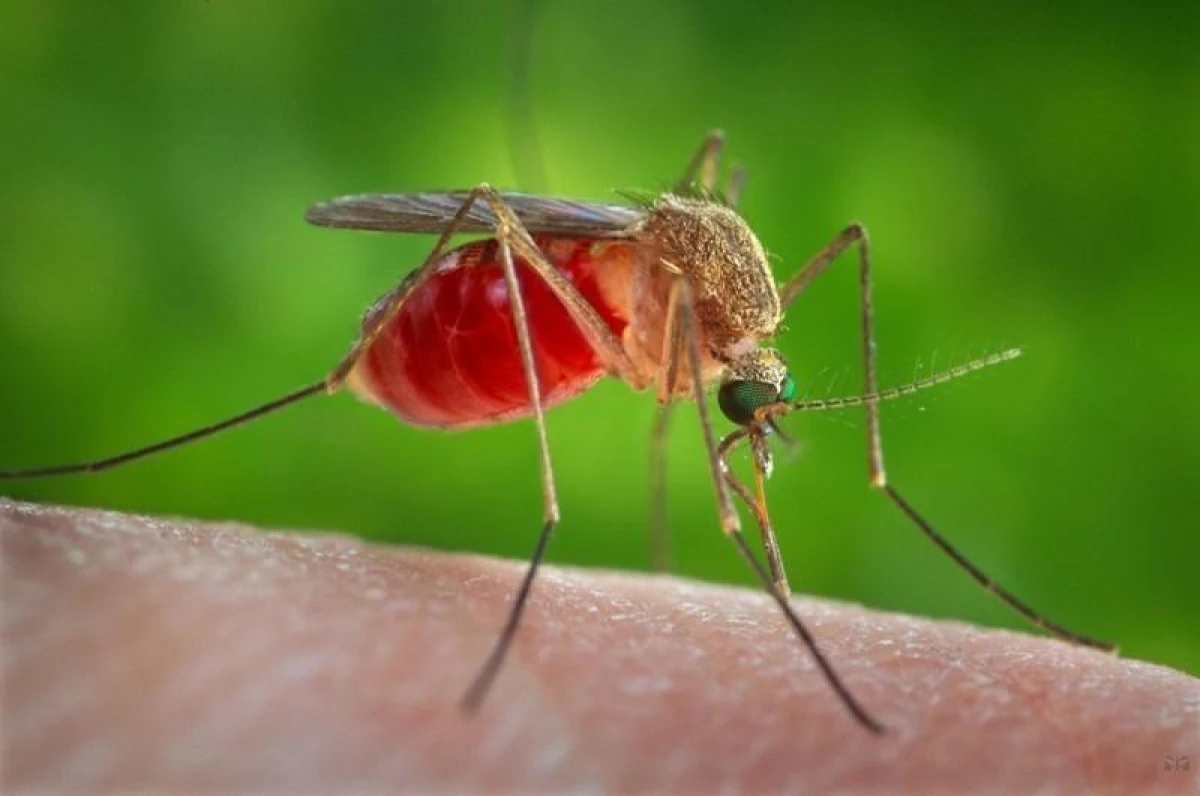
Chikungunya has primarily been transmitted by the Aedes aegypti mosquito, a carrier of yellow fever that thrives in human settlements in the tropics.
However, in recent years, global climate change and interregional population mobility have contributed to the expansion of mosquito ranges – disease carriers – and the spread of viral variants.
During the chikungunya outbreak in the Indian Ocean in 2005–2006, scientists recorded a mutation in the virus that increased its adaptability to another mosquito species – the Asian tiger mosquito.
"Since this species tolerates cool weather better than the yellow fever mosquito, warming may allow it to establish itself in areas that were previously too cold for it," explained study co-author Dr. Yang Wu.
"When suitable mosquito species establish themselves in a new territory, the likelihood of local transmission of chikungunya increases."
The scientists also found that higher temperatures accelerate the development of the virus within the mosquito. At temperatures between 18 and 28 °C, the virus reaches the stage where it can be transmitted approximately four to five times faster, increasing the risk of outbreaks.
How Far Can Mosquitoes Spread?
Chikungunya has turned into a global health threat, researchers warn. Local transmission of the disease has been recorded in 114 countries, and more than three-quarters of the world's population is at risk.
The fatality rate is estimated at about 1.3 deaths per thousand cases, resulting in an annual loss of approximately 284,000 disability-adjusted life years, which are years of healthy life lost due to illness or health limitations.
To assess the future spread of the infection, scientists modeled the requirements of the chikungunya virus and two species of carrier mosquitoes based on tens of thousands of georeferenced records of their presence worldwide.
They then predicted how their current ranges might change from today until 2100 based on 16 climate scenarios developed by the Intergovernmental Panel on Climate Change (IPCC).
These scenarios model how greenhouse gas emissions and societal changes may interact by 2100.
Although the exact scale of disease spread depends on the chosen climate scenario, northern Central Europe, northeastern North America, and eastern Asia consistently emerge as future infection hotspots across all models.
In Europe and North America, the virus is not yet considered endemic; reported cases there are linked to travelers from tropical and subtropical regions.
The scientists concluded that the geographical coverage and potential intensity of chikungunya outbreaks are fundamentally determined by its carriers – mosquitoes that transmit the virus.
How Can Countries Prepare?
In 2025, there were 502,264 reported cases of chikungunya worldwide, resulting in 186 fatalities in 41 countries and territories, according to the Pan American Health Organization.
This healthcare burden is expected to grow against the backdrop of climate change, which is radically altering the geography of infectious diseases, researchers note.
"Society should not panic, but healthcare systems must prepare in advance," warned Dr. Xu.
Among the proposed measures, researchers suggest monitoring mosquito populations, training healthcare workers to quickly recognize the virus, enhancing mosquito control efforts, and developing rapid response plans before outbreaks occur.
"These steps are especially important in temperate latitudes, where this disease has not yet been a persistent public health problem," added Dr. Xu.
To respond promptly to future crises, countries within the designated risk zones, such as the United Kingdom, Germany, the United States, China, and Japan, need to prioritize preventive monitoring of carriers and training of medical professionals in clinical diagnostics by 2040, the authors emphasize.