
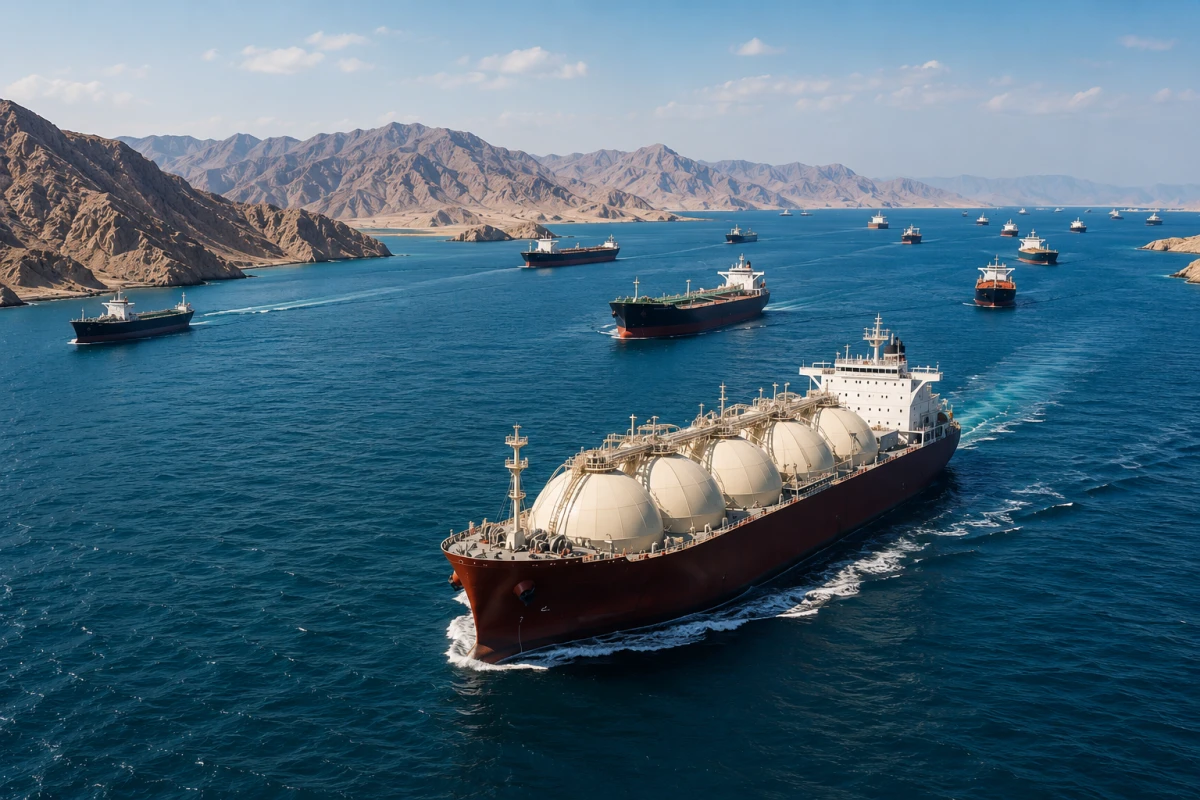
After nearly three months of forced downtime, tankers carrying liquefied natural gas and oil have begun to leave the Strait of Hormuz. The vessels are heading to Pakistan, China, and South Korea, which may indicate a gradual recovery of shipping in one of the world's key energy routes.
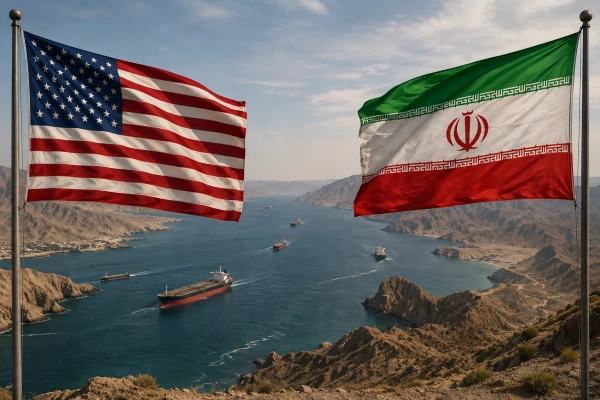
According to Reuters, citing tracking services LSEG and Kpler, restrictions on movement through the Strait of Hormuz were imposed following the start of the U.S.-Israeli war against Iran on February 28. This route typically accounts for about 20% of global oil and LNG supplies.
The U.S.-Israeli war against Iran, which began on February 28, has restricted shipping through the Strait of Hormuz, through which about one-fifth of global oil and LNG supplies usually pass.
The LNG tanker Fuwairit, flagged in the Bahamas, crossed the Strait of Hormuz on Monday. The vessel was loaded at the Qatari port of Ras Laffan at the end of March, with its unloading expected in Pakistan on May 26. Another gas carrier, Al Rayyan, also successfully exited the strait and is headed to China, where it is expected to dock at the end of June.
The oil supertanker Eagle Verona exited the strait on Saturday and is due to arrive at the port of Ningbo in eastern China on June 12. The Singapore-flagged vessel is chartered by Unipec – the trading arm of Asia's largest oil refining company, Sinopec. The tanker loaded about 2 million barrels of Iraqi Basrah crude oil on February 26.
The Eagle Verona was one of seven vessels for which Malaysia requested permission from Iran for transit. Since then, five of these vessels have left the waterway, while two remain in the Persian Gulf.
Last week, three very large crude carriers (VLCCs) also left the Persian Gulf heading to China and South Korea with 6 million barrels of crude oil.
Before the war began, shipping traffic through the strait averaged between 125 and 140 vessel passages per day. Currently, about 20,000 sailors remain stranded in the Persian Gulf aboard hundreds of vessels.
The resumption of tanker movement through the Strait of Hormuz could signal an important message to global energy markets, which have been under pressure for several months due to supply disruption threats. However, experts warn that the situation in the region remains extremely unstable, and any new escalations could once again paralyze one of the planet's main oil routes.












Leave a comment