
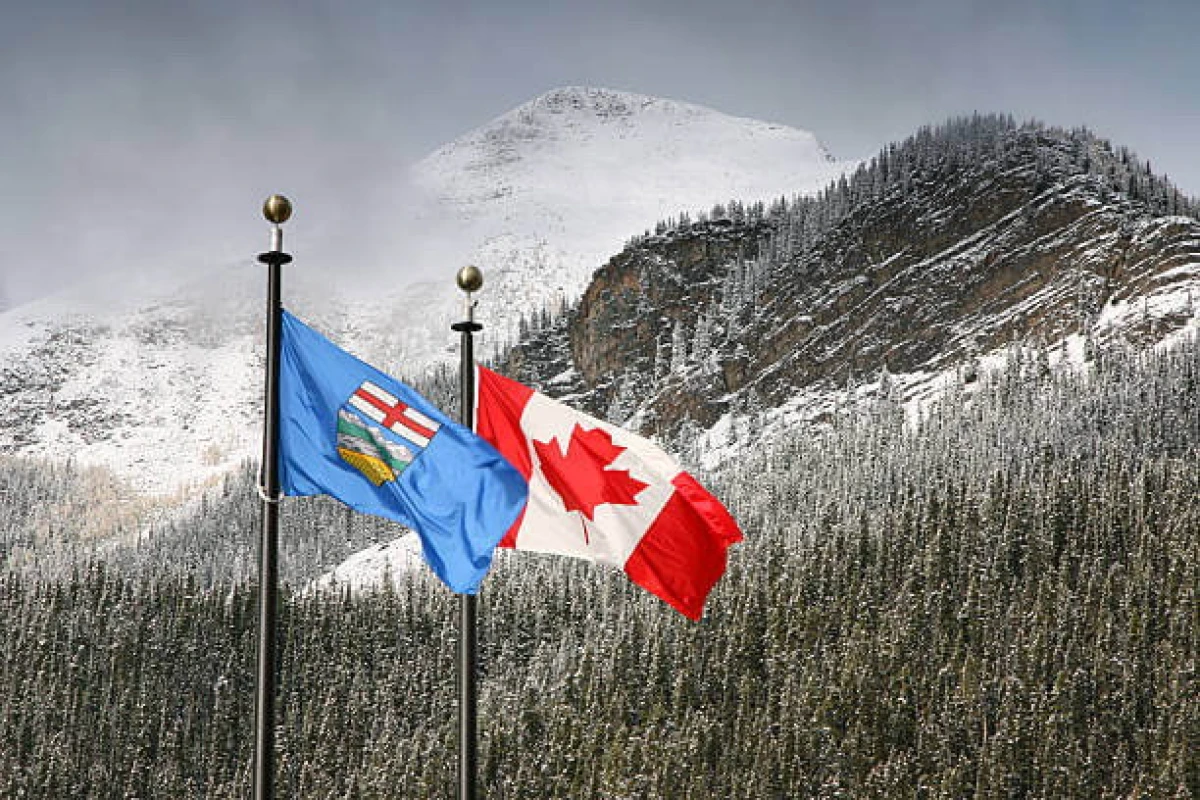
Supporters of Alberta's independence have stated that they have gathered enough signatures for a referendum on the province's future. However, the authorities and the court are currently stalling the process, and the chances of the region's actual separation from Canada remain low.
Activists of the separatist movement Stay Free Alberta submitted nearly 302,000 signatures to the Electoral Commission. This significantly exceeds the required minimum of 178,000 votes. However, the path to a real expression of will remains complicated.
A judge has temporarily prohibited the verification of the signatures. Administrative barriers are currently preventing the official procedure from being launched, and provincial officials are awaiting the completion of a legal review. Only after that can discussions about the next steps take place.
What is needed for a referendum
If the court lifts the restrictions, the Electoral Commission will begin immediate verification. After that, the provincial government will be able to approve the wording of the question and set a date for the election. The estimated date is October 19.
Alberta Premier Danielle Smith promises to hold a referendum if all conditions are met. At the same time, the official does not support the idea of complete separation.
The premier's press secretary commented on the situation for Newsweek:
"Our government has made it clear: we support a strong and sovereign Alberta within a united Canada. This means that Alberta remains a province of Canada while simultaneously promoting provincial autonomy and fighting against Ottawa's policies that harm Albertans and violate our constitutional rights."
Resistance from Indigenous Peoples
Indigenous peoples of Canada have already opposed the separation. Their advocates argue that independence would undermine the treaty rights of Indigenous peoples, which are protected by Section 35 of the Constitution of Canada. Judge Shaina Leonard allowed the collection of signatures but blocked their verification until the substantive dispute is resolved.
The provincial government is trying to maintain a balance. Minister of Indigenous Relations Rajah Soni noted:
"The Constitution is the supreme law of the land. The protection of Indigenous rights must remain in effect regardless of political debates about autonomy."
What are the chances of Alberta's separation
Bookmakers and prediction markets are skeptical about the success of the separatists. As of yesterday, the estimates look like this:
-
The Kalshi platform estimates the chances of holding a referendum at 19.3 percent;
-
The Polymarket resource gives even less - only 14 percent.
While the separatists celebrate an interim victory with the collection of signatures, the actual withdrawal of the province from the country remains highly questionable. Overall, the very attempt has already become the loudest political challenge for Canadian authorities in recent decades, the publication concludes.
Even if a referendum in Alberta takes place, the path to the province's exit from Canada will be very difficult, bb.lv writes. But the situation already shows that there is growing dissatisfaction with the federal government in the country, and ideas for greater regional autonomy are becoming increasingly popular.










Leave a comment