
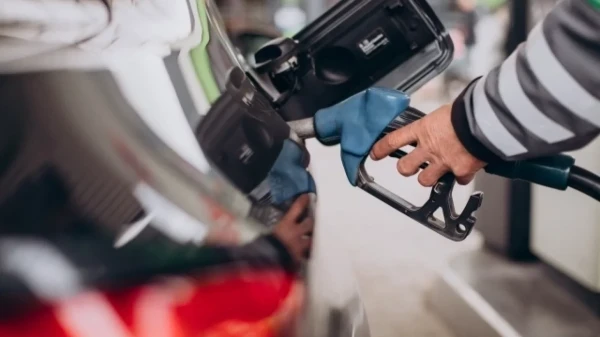
Gasoline prices around the world: from record lows in Libya to record highs in Hong Kong. How many kilometers can be traveled for the same amount.
The cost of fuel in different countries around the world can vary by more than 170 times. According to GlobalPetrolPrices data for April 2026, the lowest gasoline prices are recorded in Libya: just $0.09 per gallon, while the highest are in Hong Kong, where a gallon costs $15.65. The global average stands at $5.58 per gallon. The price difference directly depends on two factors: the availability of domestic oil and the level of taxes.
Libya is the absolute leader in fuel affordability. The price of $0.09 per gallon makes gasoline there cheaper than bottled water. Following are Iran ($0.11) and Venezuela ($0.13). In these countries, governments implement large-scale fuel subsidies to maintain social stability and support domestic consumption. The top ten most affordable prices also include Angola ($1.24), Kuwait ($1.28), Algeria ($1.34), Turkmenistan ($1.62), Egypt ($1.66), Kazakhstan ($1.99), and Qatar ($2.13). Saudi Arabia and Oman round out the list of countries with prices below the global average at $2.35 per gallon.
The opposite situation is observed in regions with high population density, lack of domestic oil, and excise policies. Hong Kong ranks first in the world with a price of $15.65 per gallon. European countries also feature among the leaders in high prices: the Netherlands, Denmark, as well as Israel and Malawi in this category. High fuel taxes in these states are aimed at replenishing the budget, encouraging resource conservation, and developing alternative transportation.
In Russia, the price of gasoline as of April 2026 is about 67 rubles per liter (approximately $0.89), which corresponds to about $3.35 per gallon. Since the beginning of the year, fuel prices have increased by more than 3%, and the cost of the popular AI-95 has reached nearly 69 rubles per liter.
The simplest way to understand the price gap is to see how far one can travel for the same amount of money. In Libya, $10 can buy enough gasoline to travel approximately 3,885 miles (about 6,250 kilometers). In Hong Kong, the same $10 will only get you 22 miles (about 35 kilometers). Thus, the purchasing power of drivers in different parts of the world varies by tens of times, and this directly depends not on the economy of the country as a whole, but on its tax and subsidy policies in the field of petroleum products.












Leave a comment