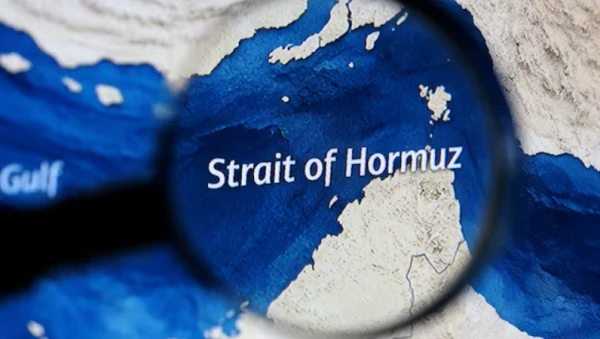
The Greek maritime security company raises the alarm: unknown individuals are sending ships fake offers for safe transit through the strategically important Strait of Hormuz, demanding payment in cryptocurrency.
Alarm in the Strait of Hormuz
The Greek company MARISKS, specializing in maritime risk management, has issued a worrying statement. It warned that a number of shipping companies have fallen victim to fraudulent mailings. Unknown individuals, posing as representatives of Iranian authorities, are offering "safe" transit through the Strait of Hormuz, demanding payment in cryptocurrency.
Tense Situation in the Region
The situation in the region remains tense: the U.S. continues to block Iranian ports. Iran, for its part, initially lifted and then reimposed the blockade of the Strait of Hormuz. This waterway, prior to the Middle Eastern war, accounted for about one-fifth of the world's oil and liquefied natural gas supplies. During ceasefire negotiations, Tehran, which controls this strategically important strait, even proposed to impose tariffs on passing vessels.
Fraud Scheme
On Monday, MARISKS officially warned shipping companies about a new wave of fraud. Messages, allegedly from Iranian authorities, demand payment of transit fees in cryptocurrency, such as Bitcoin or Tether, for "customs clearance." According to these fake letters, after verifying documents and assessing solvency by Iranian security services, the exact amount will be specified. Only after this fee is paid will the vessel receive permission to pass through the strait at the specified time.
Reaction and Consequences
MARISKS categorically states that these messages are pure fraud. They emphasize that the Iranian authorities have no connection to them. Tehran has remained silent regarding this situation. Meanwhile, hundreds of vessels and about 20,000 sailors remain blocked in the Persian Gulf.
Incidents and Speculations
Earlier, on April 18, when Iran briefly opened the strait, several vessels attempted to pass through. However, two of them, including a large tanker, reported being fired upon by Iranian boats. As a result, these ships were forced to turn back.
MARISKS speculates that one of the vessels shot at on Saturday while attempting to leave the strait may have fallen victim to a similar fraudulent scheme. Reuters, in turn, was unable to confirm the accuracy of this information or identify which companies received these fraudulent messages.