
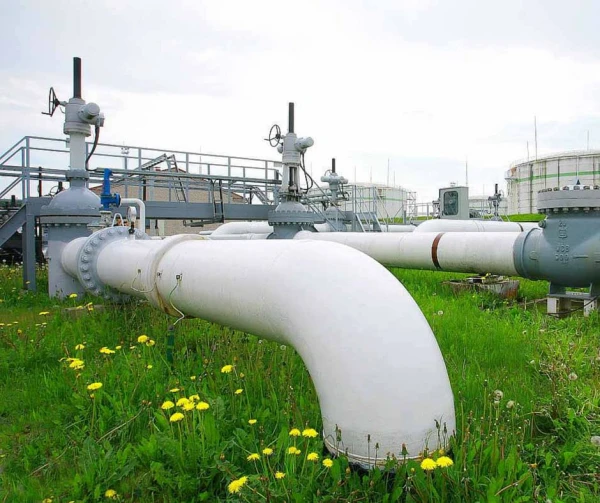
Reuters: Russia has notified Germany and Kazakhstan that it will stop pumping Kazakh oil through Druzhba starting May 1. "We will try to clarify the situation," Dmitry Peskov commented on the publication.
Russia wants to stop the pumping of oil from Kazakhstan to Germany via the Druzhba pipeline starting May 1. This was reported on Tuesday, April 21, by Reuters, citing three sources. According to them, a revised schedule has been sent to both countries. The move is being made in light of the strained relations between Russia and Germany due to the war in Ukraine, the agency clarified.
Peskov: We Will Try to Clarify the Situation
In turn, the press secretary of the President of Russia, Dmitry Peskov, responded that he is unaware of the suspension of transit and redirected the question to the relevant companies. "I do not know this. You need to contact our relevant companies. We will try to clarify the situation; I am not ready to answer anything here," the Interfax agency quoted him.
In 2025, Pumping Amounted to 43,000 Barrels per Day
Oil exports from Kazakhstan to Germany via the Russian pipeline in 2025 amounted to 2.146 million metric tons (about 43,000 barrels per day), which is 44% more than in 2024. The pumping is carried out through the northern branch of Druzhba, which goes through Poland. In the German city of Schwedt (Brandenburg), the raw material is received by the PCK refinery.
The refinery in Schwedt is connected to the pipeline through which it previously received oil from the Russian state corporation Rosneft. In response to the Russian armed invasion of Ukraine, Germany refused Russian oil.
Most of the company's shares were owned by the Rosneft corporation. In November 2022, Russian stakes in the plant were transferred to a trust management in Germany. The Federal Network Agency of Germany maintains control over Rosneft Deutschland and its stakes in three refineries - in Schwedt, Karlsruhe, and Voburg on the Danube.
The EU Wanted to Help Ukraine Resume Oil Supplies via Druzhba
In March, the EU stated that it would help Ukraine restore oil supplies to Europe through the section of the Druzhba pipeline damaged by Russian strikes. "The EU offered Ukraine technical support and funding. The Ukrainians welcomed this and accepted the offer," said European Commission President Ursula von der Leyen and European Council President Antonio Costa on March 17.







Leave a comment