
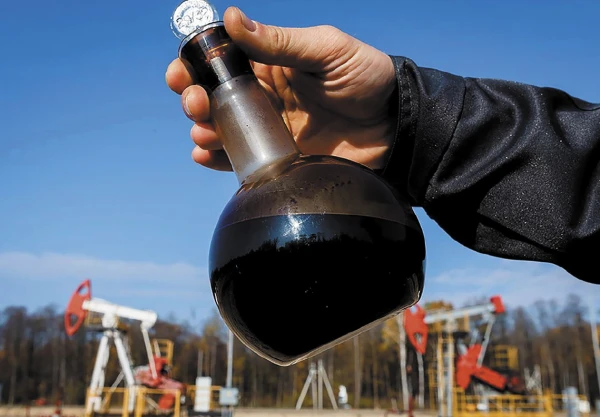
The European Union is facing a severe shortage of oil and gas. Will Europe be able to pause its energy split with Russia, allowing the Kremlin to benefit from the conflict between the US and Iran?
A New Energy Shock for Europe
Europe has just begun to recover from the energy crisis triggered by the Kremlin when a new one struck, writes BBC. The war between the US and Iran has deprived the global market of about 15% of all oil and gas supplies. In response to the shortage, Donald Trump eased sanctions against Russia, and calls have emerged in the European Union to abandon the complete embargo on Russian oil and gas that was planned to be implemented.
Is it possible that Europe will temporarily postpone its energy "divorce" from Russia, allowing the Kremlin to profit from Trump's conflict with Iran? In the first 44 days of this war, the rise in prices has already cost the EU a staggering 22 billion euros in additional fuel import costs, which amounts to about half a billion daily.
Excessive Costs and Blame Game
The shortage of aviation fuel is forcing airlines to cut flight schedules, while the cost of electricity and heating is rising rapidly. Increasing gasoline and diesel prices threaten to reduce incomes for both individuals and companies, as well as deplete the treasury, heralding a new wave of inflation and slowing economic growth.
Europe has no spare funds to combat this new crisis, as it has already incurred huge expenses first during the pandemic and then during the first energy crisis. That crisis was caused by the Kremlin's "gas war," which unfolded before and after the invasion of Ukraine.
The European Union is currently developing another anti-crisis plan, which will be presented next week. Meanwhile, there is active discussion about what exactly went wrong and why the previous plan to protect Europe’s energy security failed to shield it from the new calamity.
Some experts blame Germany's abandonment of nuclear energy, while others believe that electrification of the economy should have been implemented more vigorously. However, there are also those who argue that the break with Russia was too hasty and decisive.
Energy Divorce from Russia: A Pause or a Finale?
Before the Ukrainian conflict, Russia was the largest supplier of energy resources to the European Union, which was its closest and wealthiest market. Now, however, its role has significantly diminished.
The EU has completely abandoned imports of Russian coal, and plans to ban gas by the end of 2027. A comprehensive oil embargo was initially set to be announced in mid-April, but it was postponed due to the ongoing crisis.
Is Europe ready to buy oil and gas from Russia again? Officials and politicians unanimously respond: no, it is not ready.
"In the face of a new crisis, some are suggesting returning to purchasing minerals from Russia. That would be a strategic mistake," said Ursula von der Leyen, effectively the EU's prime minister, after the onset of the Iranian war. "Of course, one can be more pragmatic and reasonable in implementing our long-term strategy, but the direction chosen is correct."
The head of Italy's largest energy company Eni, Claudio Descalzi, advocated for easing sanctions against Russia. He urged the European Union to postpone the complete abandonment of Russian gas scheduled for 2027.
However, Italian Prime Minister Giorgia Meloni sharply responded to the oil executives: "You won’t get that." She added: "Descalzi's position is understandable, but we must not forget that economic pressure on Russia in recent years has been the most effective weapon for achieving peace in Ukraine."
How Serious is the New Crisis?
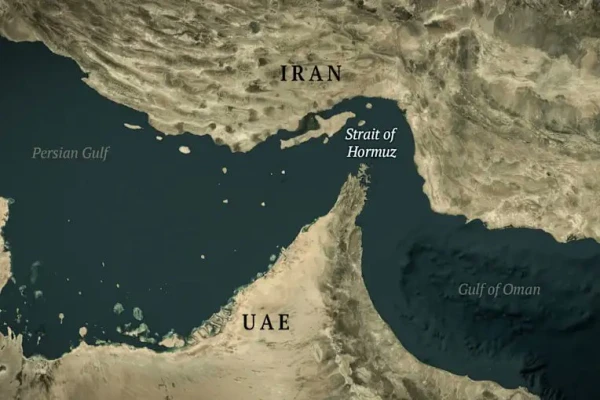
Due to the blockade of the Strait of Hormuz in the Persian Gulf, about 12% of global oil supplies and approximately 17% of the total gas supply in the world market were blocked for about a month and a half. There is no way to replace these volumes.
Partially compensating for the shortage can be achieved by increasing supplies from the US, the world's largest producer of oil and gas, as well as selling oil from strategic reserves. However, this is only a temporary measure that will replace no more than 10-20% of what was lost and will mainly affect oil, not gas.
This is extremely bad news for Europe, as it heavily depends on imports of gas and oil products, especially aviation fuel.
Aviation Industry Under Pressure
About a third of all aviation fuel in Europe is purchased abroad, with 75% of this import coming from the Middle East. Airlines are already facing a real physical shortage of fuel and are forced to urgently reshape flight schedules.
Upcoming flight cancellations have already been announced by major carriers such as Germany's Lufthansa and the Netherlands' KLM. European Commissioner for Energy Dan Jørgensen told the FT: "If the war drags on, there is a real danger that both ticket prices will rise and flights will be canceled this summer."
And this is happening despite the fact that Europe, in general, is less dependent on oil and gas supplies from the Middle East than Asia, where the energy crisis has already reached its peak.
Current Gas Suppliers to the EU
According to the Bruegel research center, the main suppliers of gas to the EU at the moment are Norway (30%) and the US (26%). Russia provides about 12% of European gas import needs.
Half of the Russian gas is supplied via a pipeline through Turkey, while the other half is liquefied natural gas delivered by LNG carriers from the Arctic. The remaining supplies come from Algeria (10%), the UK, and Azerbaijan (4% each).
The Middle East, represented by Qatar, holds a modest share of 4% in the EU's gas balance and 8% in liquefied gas imports. "Therefore, unlike the energy crisis of 2022 caused by Russia's invasion of Ukraine, the current war does not pose a direct threat to the EU's gas supply," note Bruegel experts.
At that time, Russia accounted for over 40% of European gas imports. However, Europe buys gas at global prices, which are inevitably rising, as there is significantly less gas in the world following Iranian strikes on the Qatari plant and the blockade of the Strait of Hormuz. Thus, even in the absence of a direct shortage, the energy crisis in Europe is being felt in full force.
Can Russia Increase Supplies?
As for oil, yes, but under two important conditions. First, the European Union must again allow all 27 member countries to purchase it, not just Hungary and Slovakia, which are still receiving Russian oil through the Druzhba pipeline as an exception.
However, this pipeline has long been under repair following a Russian strike, and Ukraine is in no hurry to put it back into operation, despite the EU's demands. Secondly, to increase oil exports, Russia will have to solve the problem of daily Ukrainian drone strikes on its export terminals in the Baltic and Black Seas. Both of these conditions currently seem unattainable.
The situation with gas is even more complicated. "It is unlikely that the Iranian war will turn into a strategic victory for Russia. It may earn a little from the rise in prices and shortages," note energy experts Tatiana Mitrova and Fedor Dmitrenko.
Prospects for Russian Gas in Europe
They add: "However, Russia has lost the mechanism to profit from disruptions in the global market. If Russian gas does return to Europe, it will only be in limited volumes and as a supplement, dependent on the political situation, rather than as an organizing basis for the continent's gas balance.





Leave a comment