Riyadh allowed the U.S. to use King Fahd Air Base and is close to a decision to engage in combat. The UAE closed Iranian institutions in Dubai and is ready to freeze Iranian assets, The Wall Street Journal reported.
U.S. allies in the Persian Gulf are gradually being drawn into a war against Iran — following relentless attacks that have severely damaged their economies and threaten to secure Tehran long-term control over the Strait of Hormuz, The Wall Street Journal (WSJ) reported on Monday, March 23, citing sources, as noted by DW.
According to the publication's sources, Saudi Arabia recently allowed U.S. forces to use King Fahd Air Base in the western part of the Arabian Peninsula, although prior to the onset of hostilities, the kingdom had stated that it would not permit its facilities or airspace to be used for strikes against Iran.
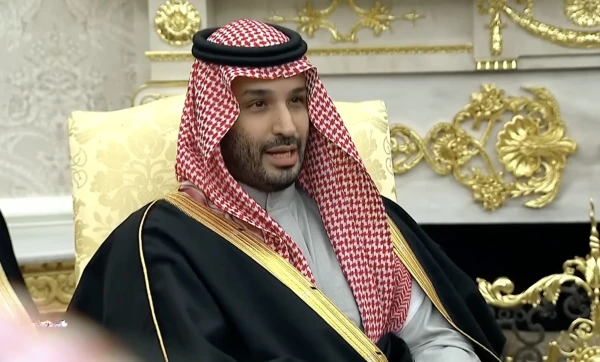
Crown Prince Mohammed bin Salman is now seeking to restore deterrence and is close to a decision to engage in combat, sources say. "It’s only a matter of time," one of them said. "Saudi Arabia’s patience regarding Iranian attacks is not limitless. Any confidence that Gulf countries are unable to respond is a miscalculation," said the kingdom's Foreign Minister Faisal bin Farhan last week.
UAE Blocks Iranian Assets
The United Arab Emirates (UAE), in turn, has begun to restrict Iranian assets, threatening to cut off a vital lifeline for Tehran's leadership, while simultaneously discussing the possibility of military involvement in the conflict. Dubai has closed the Iranian Hospital and the Iranian Club — institutions that, according to authorities, "were used in the interests of the regime and the IRGC in violation of UAE law."
The UAE, which has long served as a financial hub for Iranian businesses, warned of a potential freeze on billions of dollars of Iranian assets — a move that could significantly limit Tehran's access to foreign currency and global trade networks.
Iran Claims Control Over the Strait of Hormuz
Iran is forcing its neighbors to act — primarily by asserting claims to a role in managing the Strait of Hormuz after the war ends, WSJ sources note. Tehran has effectively blocked the strait by attacking vessels passing through it while allowing selected tankers to pass. According to sources, the Iranian side has informed Arab officials of its intention to charge a fee for passage through the strait — similar to the Egyptian Suez Canal.
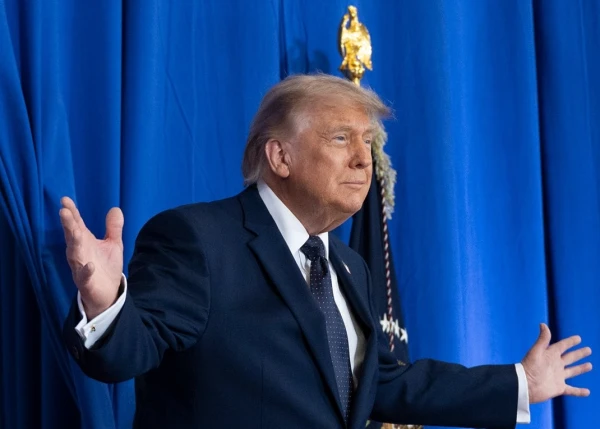
Gulf leaders, primarily the UAE and Saudi Arabia, insist in regular phone conversations with Trump that the U.S. must see this through and destroy Iran’s military capabilities before moving forward. According to WSJ sources, they are also frustrated that they are unable to significantly influence the Trump administration's decisions, despite a partnership in security and substantial investments in those relations.
What is happening is also convincing Arab states that they may need to strike back to restore deterrence, the publication's sources noted. Relying on American security guarantees and diplomatic engagement with Iran as a protection against threats has not paid off. This became evident last week when Iran attacked the Qatari energy hub Ras Laffan, a key Saudi energy hub on the Red Sea, as well as facilities in Kuwait and the UAE. Qatar condemned this strike as a dangerous escalation and a direct threat to national security.