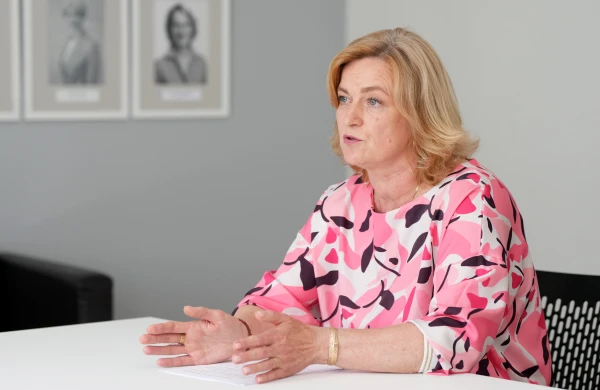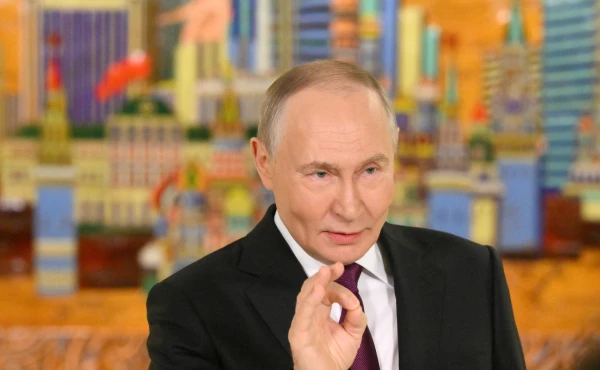
Russian President Vladimir Putin is “sitting and rubbing his hands together” watching Europe and the US quarrel, said Janis Sarts, director of NATO’s Strategic Communications Centre (Stratcom), in an interview with the Latvian Television program “Morning Panorama,” according to LETA.
Sarts noted that hotspots of tension in the world are growing and multiplying. At the same time, technology is playing an increasingly important role in conflicts.
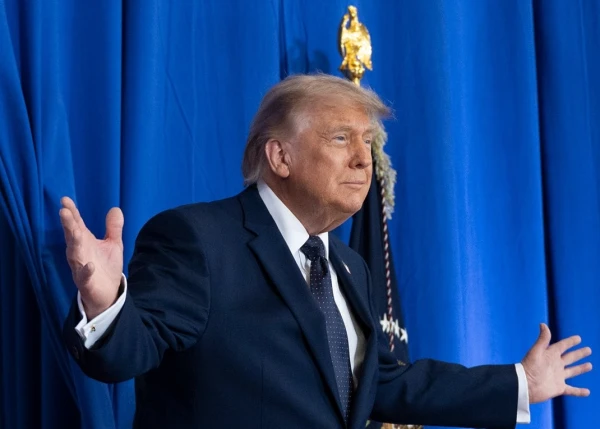
Commenting on the US conflict with Iran, Sarts assessed that Latvia's largest and most powerful ally is becoming more deeply involved in this operation. “Tension between US President Donald Trump and European leaders is rising,” said Sarts.
“We cannot predict what the trajectory will be, but it is obvious that this is already affecting us and will continue to affect us,” he noted.
The head of Stratcom believes that the overall trend is a rise in instability in all its forms and manifestations.
Sarts also stated that Iran has likely received significantly less support from Russia than it expected. “And this makes future partners think about whether it is worth entering into cooperation with Russia at all,” said the expert.
At the same time, he emphasized a crucial factor: Russia benefits from changing prices, and more and more countries are talking about purchasing Russian energy resources and lifting sanctions. According to the expert, logic suggests that the higher energy prices are, the stronger the pressure will be, but it is necessary to fight to maintain sanctions.
“And, of course, the more and more intense the quarrels between the US and Europe, the more — I think — Putin is sitting and rubbing his hands together,” added Sarts.
As previously reported, the war between the US and Israel against Iran has led to a de facto blockade of the Strait of Hormuz, through which one-fifth of the world's oil was transported, causing a sharp rise in prices.
On Sunday, Trump warned that NATO faces a very bleak future if allies do not help unblock the Strait of Hormuz. On Monday, he stated that he expects assistance from France and the UK in ensuring shipping through the strait, which Iran is currently attempting to block. The next day, Trump announced that the US military no longer requires military assistance in the war against Iran.
UK Prime Minister Keir Starmer stated that restoring free navigation in the Strait of Hormuz is not NATO's task. According to him, it requires the involvement of a broader coalition, including partners from the Persian Gulf, as well as European countries and the US.
“We are working with other countries to create a reliable plan for the Strait of Hormuz that will restore navigation and transit. Let me be clear — this is not and was never intended to be a NATO mission,” Starmer told reporters on Downing Street.
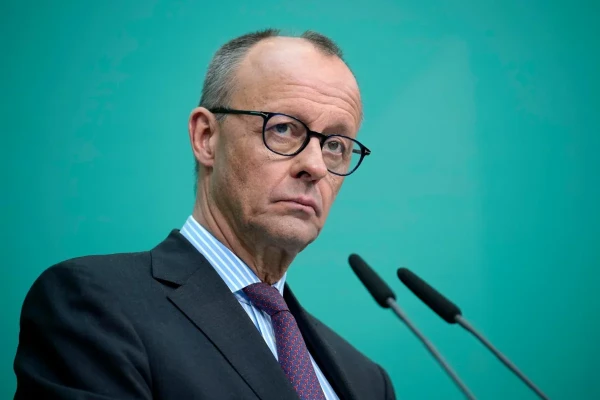
Meanwhile, a representative of German Chancellor Friedrich Merz stated on Monday that the war in the Middle East, caused by US and Israeli strikes on Iran, has nothing to do with NATO and is not a war of the alliance.