The Arctic is becoming one of the key centers of global competition. According to political scientist Karlis Daukahts, this region will determine the level of international tension—from politics and law to military strategy.
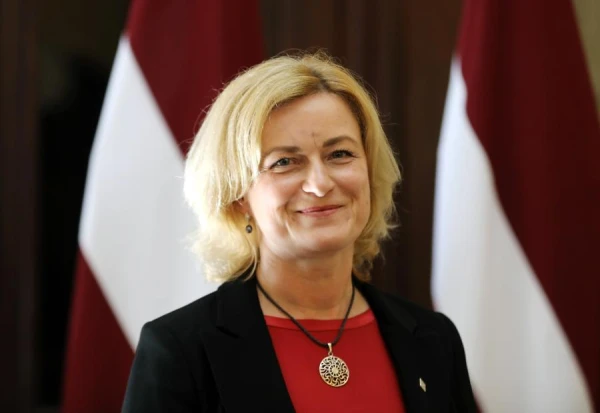
In the broadcast of the program "Globuss" on TV24, historian and political scientist Karlis Daukahts stated that the Arctic is already one of the main objects of international confrontation and will remain so in the future. According to him, a significant part of the overall tension—both at the international level and at the intellectual and international legal levels—will depend on the situation in the Arctic.
Commenting on Russia's presence in the region, Daukahts recalled the Russian scientist and researcher Arthur Chilingarov, who once planted the Russian flag on the seabed of the Arctic Ocean. Russia claims that its continental shelf extends from the mainland all the way to the North Pole.
In response to the question of whether the inability to resolve the conflict in Ukraine for almost five years means that the stakes in the Arctic will be even higher, the political scientist answered affirmatively. In his opinion, the Arctic can serve as a kind of "bargaining chip" in global politics, and competition around it will only intensify.
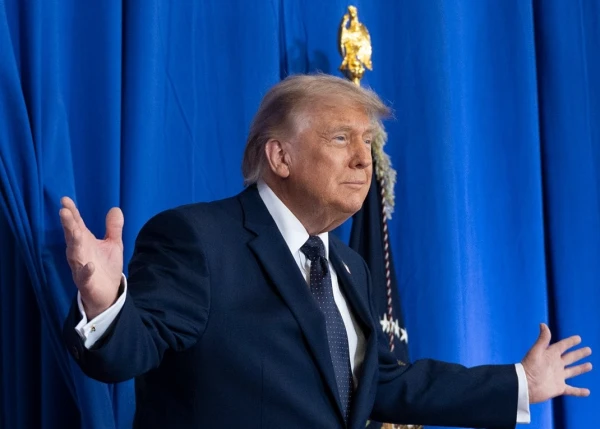
Daukahts also noted that U.S. President Donald Trump formulates the need for control over Greenland by creating a so-called "golden dome." According to him, this project can be viewed both as a defensive system and as a potential threat.
The political scientist drew a historical parallel with the initiatives of former U.S. President Ronald Reagan, who promoted the Strategic Defense Initiative program. At that time, the Soviet Union was forced to engage in a retaliatory arms race. According to one theory, it was the excessive militarization and economic burden that the Soviet economy could not withstand that became one of the factors leading to the collapse of the USSR.