
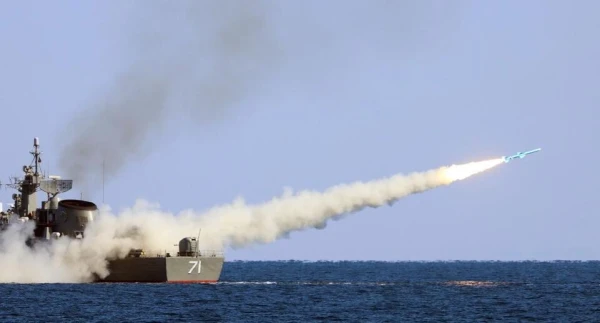
Iran will pursue its goals in the conflict with the U.S. and Israel regardless of the pressure from the People's Republic of China (PRC), aimed at securing guarantees for oil exports through the Strait of Hormuz and a swift resolution of the standoff, media reports.
On March 3, Bloomberg reported, citing representatives from China's oil and gas industry, that Beijing is pressuring Iran to maintain the transit of hydrocarbons through the Strait of Hormuz. According to sources, the position on the transportation of oil and gas from the Persian Gulf countries is the "most direct" demand from Beijing to the parties involved in the Middle Eastern conflict.
The Strait of Hormuz plays a crucial role in the oil industry: about 20 percent of global oil transit occurs through this route. Closing the strait by Tehran would directly impact hydrocarbon prices and affect not only oil suppliers but also the state of the Chinese economy.
China is Iran's most important economic partner, purchasing 90 percent of the crude oil exported from the Islamic Republic. In 2021, the two sides signed a 25-year Comprehensive Cooperation Agreement, which envisions collaboration between the countries in twenty different areas, including economics, politics, culture, military cooperation, and defense industry development.
Chinese Foreign Ministry spokesperson Mao Ning stated that China is "deeply concerned that the spread of hostilities has affected other countries in the region." The diplomat emphasized that Beijing was not informed in advance about the U.S. operation and called on the conflicting parties to cease hostilities.
The Chinese Foreign Ministry representative also pointed to Tehran's repeated statements about its lack of intention to develop nuclear weapons, as well as negotiations with the U.S. regarding the preservation of Iran's nuclear program. She labeled the U.S. and Israeli strikes on the Islamic Republic during the negotiation process as a violation of international law.
However, according to Bloomberg sources, despite cautious public statements regarding the conflict between Iran and Israel and the U.S., in informal negotiations, Beijing is pressuring Iranian officials and demanding guarantees against strikes on oil and liquefied natural gas tankers. Chinese representatives also called for a moratorium on oil and gas sector facilities in the Arab countries of the Persian Gulf, particularly Qatar and the United Arab Emirates (UAE).
At least four tankers have been damaged as a result of Iranian strikes on the ports of Oman, the UAE, and Bahrain.
China has never acted as an ally or strategic partner of Iran beyond trade relations: on the contrary, Beijing has supported negotiations to limit the Islamic Republic's capabilities to develop nuclear weapons. Experts believe this allows the Chinese leadership to adhere to its own economic interests and demand that Tehran refrain from strikes on tankers and oil and gas sector facilities.
Iran's retaliatory actions in the form of strikes on oil infrastructure and threats to transport flows are as concerning to the Chinese side as the missile attacks from the U.S. and Israel.
As Bloomberg notes, China is one of the most vulnerable countries to the consequences of the conflict in the Middle East — nearly half of China's crude oil imports in December 2025 passed through the Strait of Hormuz. The resumption of hostilities between Iran and Israel poses significant risks to the Chinese economy: the futures price for Dubai Crude oil has already exceeded $76 per barrel, and shipping rates in the region have doubled.







Leave a comment