
Axios claims that the U.S. military operation in Iran is likely to be a large-scale campaign that will last several weeks. According to Ynet, Israeli security agencies are at the highest level of readiness.
U.S. military forces are prepared to potentially strike Iran as early as February 21, but any such actions are likely to continue beyond the weekend. This was reported on Wednesday, February 18, by CBS News, citing sources, as noted by DW.
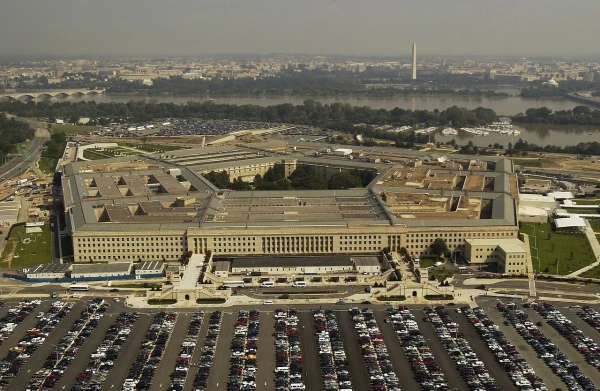
According to them, U.S. President Donald Trump has not yet made a final decision on conducting strikes. The White House is weighing the risks of escalation. Over the next three days, the Pentagon will temporarily withdraw some personnel from the Middle East region, primarily to Europe or the U.S.
At the same time, according to one source, the movement of resources and personnel by the Pentagon ahead of a potential military operation is standard practice, but does not necessarily mean that an attack is inevitable.
Axios: It may be a large-scale campaign
Meanwhile, sources from Axios claim that the U.S. military operation in Iran is likely to be a large-scale campaign that will last several weeks and will resemble a full-scale war more than a targeted operation like the one in Venezuela in January.
It is likely to be a joint U.S.-Israeli campaign that will be much larger than the 12-day war Israel fought in June 2025, in which the U.S. participated, Axios reports.
Ynet: Israeli security agencies are at the highest defensive readiness
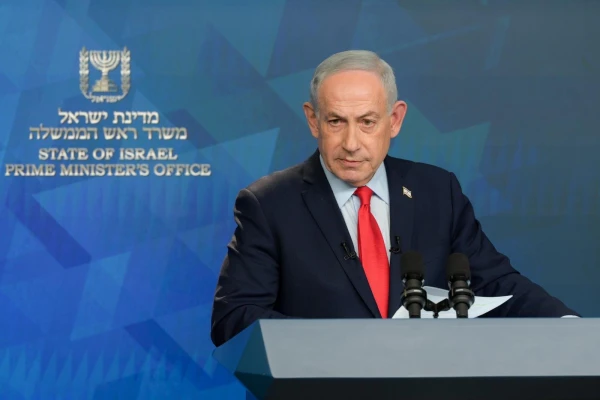
In the meantime, Ynet reported, citing Israeli officials, that security agencies and emergency services in Israel have been placed at the highest level of defensive readiness. A cabinet meeting on security issues has been postponed to February 22.
Tehran previously did not meet U.S. demands during negotiations in Switzerland, Ynet writes. According to its sources, officials in the Trump administration believe that Tehran is trying to buy time and wants to mislead the U.S. Al-Jazeera quoted a diplomatic source on February 18, stating that U.S. patience may "run out faster than Tehran thinks."
The second round of indirect negotiations ended without results
On February 17, the second round of indirect negotiations between representatives of Iran and the U.S. regarding Tehran's nuclear program took place in Geneva, mediated by Oman.
The Iranian delegation was headed by Foreign Minister Abbas Araghchi. It also included Deputy Foreign Minister for Political Affairs Majid Takht-Ravanchi, Deputy Minister for Legal and International Affairs Kazem Gharibabadi, Deputy Minister for Economic Diplomacy Hamid Ghanbari, and experts on technical, legal, and economic issues.
The U.S. delegation was represented by Special Presidential Envoy for the U.S. Donald Trump - Stephen (Steve) Witkoff - and the president's son-in-law - Jared Kushner. The International Atomic Energy Agency (IAEA) also joined the dialogue.
After consultations, it became clear that the United States expects the Iranian leadership to provide written proposals for resolving the disagreements. This was reported by Reuters, citing sources in the U.S. administration.
The positions of the parties remain far apart
The positions of the parties remain quite far apart. Washington insists on expanding the agenda to include Iran's missile program and support for Islamic militant groups "Hezbollah" and Hamas.
Trump has repeatedly threatened military action against Iran in the event of a diplomatic failure and has sent additional military ships to the region. In response, Tehran warned that Arab countries in the Persian Gulf hosting U.S. bases could become targets if they are drawn into military strikes against Iran.
History of the conflict with Iran
In June 2025, Israel, with U.S. support, struck Iranian nuclear facilities. Intense bombardments lasted for 12 days and ended with a ceasefire. According to the Iranian side, a key facility in Fordow was severely damaged, and uranium enrichment was halted. Trump stated at the time that Iran's nuclear program was "completely and totally destroyed."
The U.S. and other countries have long accused Iran of seeking to develop nuclear weapons under the guise of a civilian program, which Tehran denies. In 2018, during Trump's first presidential term, Washington unilaterally withdrew from the 2015 nuclear deal and reinstated sanctions, after which Iran abandoned compliance with the restrictions and accelerated uranium enrichment.








Leave a comment