
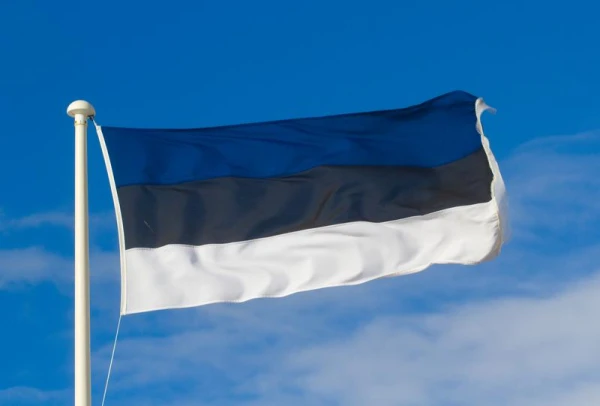
In the first month of the year, the number of publications in Western media on topics related to Estonia's security policy was significantly more modest than usual – three to four times less than average, according to a review by the Estonian State Chancellery.
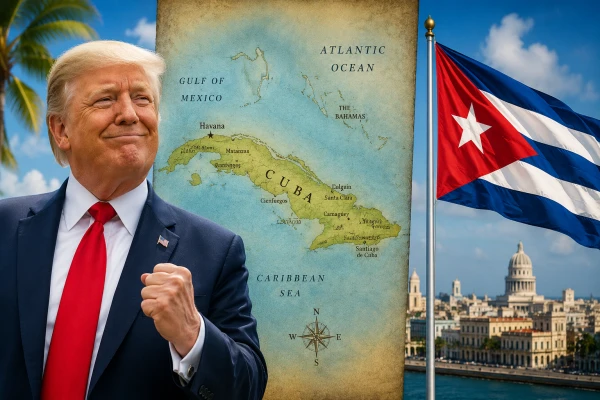
In January, the attention of Western media was primarily focused on the actions and statements of the U.S. president, such as the arrest of the president of Venezuela or his ambitions regarding Greenland, in connection with which Estonia was also mentioned.
This was primarily related to statements of solidarity with Denmark, calls to respect its territorial integrity, as well as the willingness to send troops to Greenland. Some articles also noted that if Trump had forcibly seized Greenland, it would have freed Russia's hands in the Baltic states.
Donald Trump's comment on FOX News that allied troops "in Afghanistan were holding back a bit, off to the side of the front line" also drew widespread criticism. Many articles, especially in the UK, cited the number of Estonian soldiers killed and its ratio to the population, which was one of the highest among allies.
Additionally, outrage was sparked by Trump's decision to hang a photo of himself with Vladimir Putin on the wall of the White House. Many articles on this topic quoted a post by Marko Mihkelson on social media: "If it's true that the U.S. president finds it appropriate to hang a photo of the greatest war criminal of the 21st century on the wall of the White House, then a just and lasting peace will have to wait."
At the end of the month, foreign media paid significant attention – in nearly a hundred publications – to the proposal by Foreign Minister Margus Tsahkna, voiced in Brussels: to impose a ban on entry to the Schengen area for all Russian citizens who fought on the side of the Russian Federation in Ukraine.
Also, about fifty publications appeared in German and French media reporting Estonia's decision to impose a ban on entry for 261 Russian citizens who fought in Ukraine.
On the negative side, materials with the narrative "Narva is next" continued to emerge in January. This was fueled by the steps and rhetoric of the U.S. president, which, according to the media, called into question the previous allied relations of the United States, the principles of international order, and Donald Trump's willingness to defend NATO's eastern flank from the Russian threat.
One such article even became the cover story of the Sunday edition of the British tabloid The Sun: "REIGN OF TERROR. Signs Putin is eyeing up tiny NATO nation for 2026 invasion in final bid to cement legacy after snubbing Trump peace bid."


Leave a comment