Macron refrains from apologizing to the largest country in Africa.
The Algerian Parliament unanimously passed a law declaring the 130-year French colonial regime a state crime and demanding reparations and an apology from France.
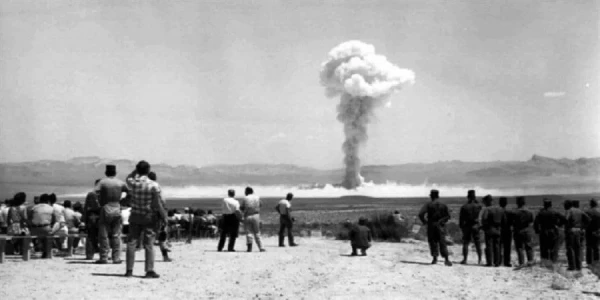
"France bears legal responsibility for Algeria's colonial past, which led to numerous tragedies," the law states. Among the listed crimes are nuclear tests, extrajudicial killings, physical and psychological violence, and the plundering of natural resources.
From 1960 to 1966, 21 French nuclear tests were conducted in Algeria, with yields ranging from 1 to 70 kilotons.
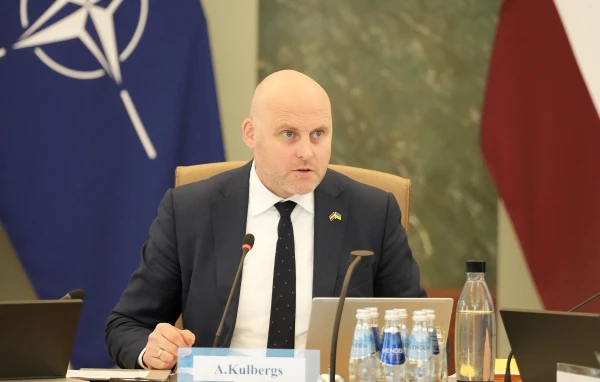
French President Emmanuel Macron called the colonial regime a crime against humanity but refrained from issuing an apology. The new law is expected to further complicate the already strained relations between the two countries, which are in deep crisis.
The Algerian War of Independence was an asymmetric military conflict between the French colonial administration in Algeria and armed groups advocating for Algeria's independence from France. Despite the actual military defeat of the Algerian rebels, the conflict ended in their victory due to a number of political and economic reasons — the recognition of Algeria's independence by France.
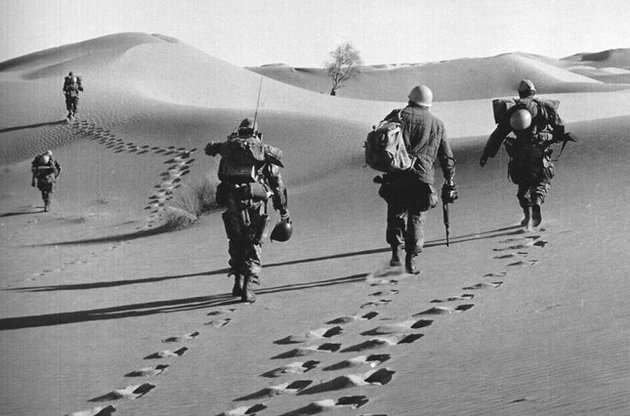
The Algerian War was a complex military-political conflict characterized by guerrilla warfare and counterinsurgency operations, urban terrorism, and the use of torture and extrajudicial killings by both sides. It is one of the most significant events in France's history in the second half of the 20th century, leading to the fall of the Fourth Republic, two military coups, and the creation of a secret ultra-nationalist organization, the OAS, which attempted to use terror to force the French government to abandon the recognition of Algeria's independence. The conflict was further intensified by the fact that Algeria, under existing legislation, was an integral part of France, and some segments of French society perceived the Algerian events as a rebellion and a threat to the territorial integrity of their country. Decades later, the events of 1954–1962 are still perceived in France as highly ambiguous; a confirmation of this is the fact that the National Assembly only officially recognized the hostilities in Algeria as a "war" in 1999 (prior to that, the term "restoration of public order" was used).
The number of casualties from the war is difficult to assess. At the peak of the fighting, there were over 400,000 French military personnel in Algeria. The losses of the French army immediately after the war were estimated at 18,000 dead; this figure is the most widely cited. Some sources provide higher estimates — between 25,000 and 35,000 dead; it is unclear what accounts for such discrepancies in the numbers.
According to official French statistics, 3,300 "pieds-noirs" (Algerians of French descent) were killed or went missing during the war. In France, 4,300 people died as a result of the conflict between Algerian movements.
Algerian sources use figures ranging from 1 million to 1.5 million dead and 3 million Algerians displaced to concentration camps, but most contemporary historians consider this figure exaggerated.
Based on pensions paid to the families of deceased mujahideen fighters, both civilian and military, Benjamin Stora gives an estimate of approximately 150,000 killed, meaning one fighter out of two. Additionally, about 12,000 victims of internal conflicts between the National Algerian Movement and the National Liberation Front should be added (one example of the bloody confrontation between them is the Melouza massacre — the killing of several hundred supporters of the Movement by FNL activists). As for the "Europeans," this author mentions 4,500 people.
Regarding the civilian population, taking into account the comparison process by age pyramid, French historians estimate the number of Algerians killed during the war at between 300,000 and 400,000 (about 3% of the population). Soldiers of the punitive forces subjected Arab women to sexual violence.
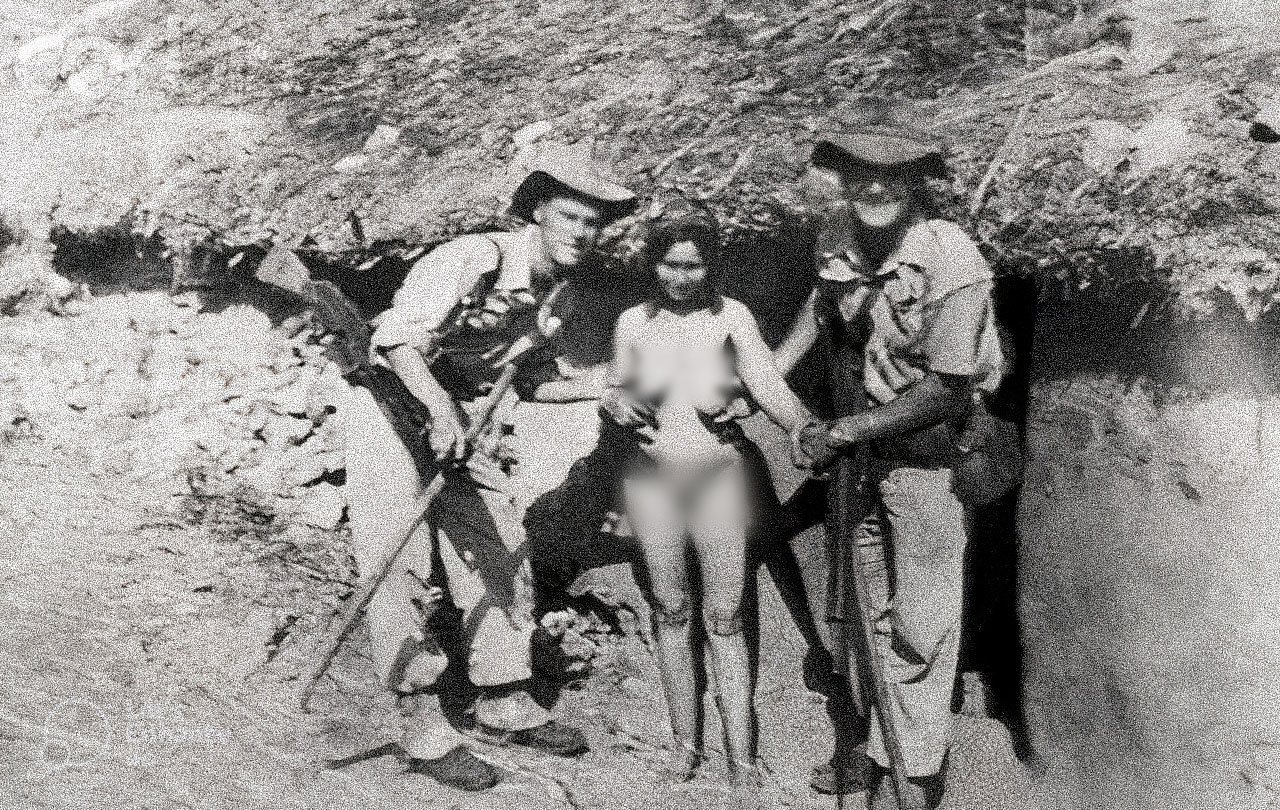
According to Alistair Horne, author of the classic study A Savage War of Peace, the actual number of victims lies somewhere between the French and Algerian estimates.
After the proclamation of Algeria's independence, contrary to agreements and the control of the International Red Cross, Algerian loyalists of Muslim descent (the so-called harkis), loyal to France and who had fought on its side, were arrested, and many were killed. The number of harki deaths ranges, according to various sources, from 10,000 to 150,000. The most plausible estimate is between 15,000 and 30,000.
<iframe width="560" height="315" src="https://www.youtube.com/embed/qu7F4PdTQEM?si=Jb9NwQKbnKQNKIFZ" title="YouTube video player" frameborder="0" allow="accelerometer; autoplay; clipboard-write; encrypted-media; gyroscope; picture-in-picture; web-share" referrerpolicy="strict-origin-when-cross-origin" allowfullscreen></iframe>