
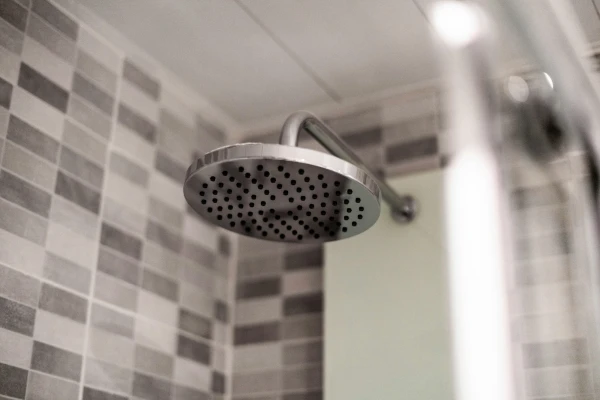
The materials necessary for enamel coating boilers are not included in the list of permitted substances by the EU. Although member states can approve the use of hafnium at the national level, this route is more expensive and takes longer, according to the Financial Times.
Europeans face the prospect of showering in cold water after critically important materials for the production of boilers were not included in the list of permitted substances by the EU, which is being revised as part of the bloc's extensive environmental reforms.
The lobby group for home appliance manufacturers Applia estimates that more than 90% of storage water heaters will no longer be able to be sold in the EU if hafnium—a metal with high heat resistance—and its 'relative' element zirconium are not recognized as safe for household use. These two elements were not included in the EU's drinking water quality regulations, which will come into effect in 2027 and are aimed at protecting consumers and raising water standards.
It appears that the European Commission did not take into account that boilers also store drinking water, and manufacturers warn that they face penalties if they do not comply with the new list of permitted substances. "The use of hafnium is absolutely safe," said Applia CEO Paolo Falcioni, emphasizing that this element has been used in enamelled boilers for over 100 years. According to him, if hafnium or zirconium is not added to the enamel, the coating cracks, and "hot water does not become hot."
These two elements are also used in enamelled heat pumps, which have become particularly popular in recent years as households move away from gas boilers. According to Falcioni, alternatives to hafnium, such as steel or copper, cost 4–5 times more, and these costs will be passed on to consumers at a time when household budgets are already strained.
"The consequences will be colossal," said Jérôme Martel, head of regulatory affairs at the French company Groupe Atlantic, which specializes in heating and ventilation. Similar concerns were expressed by the Italian company Ariston, a major boiler manufacturer. European companies are urging the European Commission to simplify regulatory requirements, arguing that they only exacerbate industry problems, from high energy prices to American tariffs and cheap Chinese competition.
Nevertheless, Falcioni warned that the complexity of the existing rules means that if the Commission does not start paying closer attention to industry concerns, even more serious miscalculations could arise—such as the exclusion of hafnium.
The European Commission explained that member states must independently notify the need for hafnium approval; however, no country has done so yet. Brussels previously informed companies that they could initiate a toxicological assessment to obtain permission. But industry representatives argue that this process is too lengthy, and while waiting for its completion, they will have to make costly changes to their manufacturing processes.
"This will put European manufacturers at a disadvantage compared to competitors outside the EU," said one industry leader on condition of anonymity.
While approval for the use of hafnium at the national level is possible, this route is also more expensive and takes longer than EU approval. According to Falcioni, the lack of clarity in regulation may also deter foreign investors: "There are companies willing to move production to Europe, but without certainty about the future, they are unlikely to do so," he noted.












Leave a comment