The harm of sugar is something that almost everyone has heard of. It is usually associated with excess weight, cavities, and the risk of developing diabetes. However, the impact of refined sugar on the body is much broader. According to specialists, excess sweets can affect skin condition, sleep quality, gut function, and even reproductive health.
Experts emphasize: it is not necessary to completely eliminate sugar from the diet, but reducing its consumption will be beneficial for most people.
"The main problem with sugar is not one piece in tea, but its hidden presence in many products — from sauces to ready-made breakfasts and drinks," notes endocrinologist Marina Kovaleva.
Why Sugar is Considered a Problematic Product
Refined sugar contains virtually no vitamins, minerals, or other beneficial substances. At the same time, it provides the body with a large amount of so-called "empty" calories and contributes to sharp fluctuations in blood glucose levels.
What Happens to the Body When You Give Up Sugar
1. The Risk of Many Diseases Decreases
Excessive sugar consumption is associated with an increased risk of obesity, type 2 diabetes, metabolic syndrome, cardiovascular diseases, and non-alcoholic fatty liver disease.
Additionally, some studies indicate a link between excess sugar in the diet and chronic inflammatory processes in the body.
2. Sleep Quality Improves
Frequent consumption of sweets can affect the quality of nighttime rest. Sharp spikes in blood sugar levels can provoke nighttime awakenings and shallow sleep.
After reducing the amount of sweets, many people report that they start to fall asleep more easily and feel more refreshed in the mornings.
3. The Skin Looks Better
Excess sugar accelerates the processes of so-called glycation — the damage of skin proteins by glucose molecules. As a result, skin elasticity decreases, wrinkles appear faster, and complexion worsens.
"High sugar consumption can exacerbate inflammatory processes and contribute to the appearance of acne in people predisposed to this condition," says dermatologist Elena Smirnova.
4. Gut Function Improves
Excessive amounts of sweets can disrupt the balance of intestinal microflora. This may be accompanied by bloating, discomfort, and digestive disturbances.
Experts recommend replacing some sweet products with vegetables, fruits, and sources of fiber.
5. Weight Control Becomes Easier
Sugar quickly raises blood glucose levels, but the feeling of fullness after sweets lasts for a short time. As a result, a person wants to eat again, which increases the overall caloric intake.
Reducing sugar consumption helps to control appetite and body weight more easily.
6. Energy Levels Stabilize
After sweet snacks, there is often a short-lived surge of energy followed by a drop in energy and fatigue.
With a more balanced diet, energy levels become more stable throughout the day.
7. The Risk of Insulin Resistance Decreases
One of the most serious consequences of excess sugar is the development of insulin resistance — a condition in which cells respond poorly to insulin.
This increases the risk of type 2 diabetes and other metabolic disorders.
"Insulin resistance develops gradually and may not manifest for a long time. That is why it is so important to monitor nutrition, weight, and physical activity levels," explains endocrinologist Alexey Gromov.
How to Reduce Cravings for Sweets
Experts recommend following a few simple rules:
-
increase the amount of protein in the diet;
-
consume more vegetables and fiber-rich foods;
-
engage in regular physical activity;
-
get at least 7–9 hours of sleep;
-
manage stress levels;
-
drink enough water.
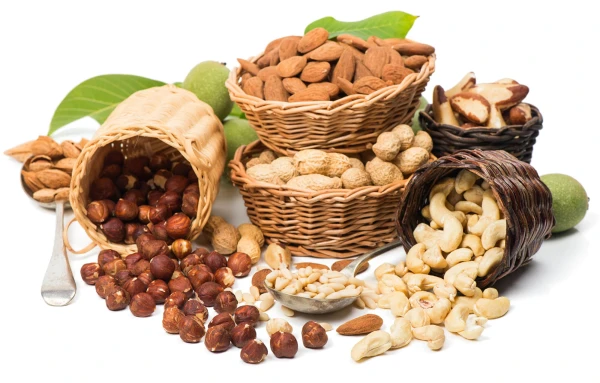
Healthy alternatives to sweets can include berries, fruits, nuts, and a small amount of quality dark chocolate.
Not everyone can completely give up sugar, but even moderate reduction in its quantity in the diet can positively affect health. Improved sleep, skin condition, digestion, and metabolism are just some of the benefits reported by people who have reduced their sugar intake. The main thing is to do it gradually and maintain a balanced diet.