Even people far from superstitions sometimes feel a strange sensation when parting with certain personal items. Many objects accompany us for years, holding memories, being linked to important events, and becoming part of our personal history. That is why folk traditions suggest certain items should not be given to others without special necessity.
In many cultures, certain items are considered not just personal property, but a unique symbol of a person's life journey. They are associated with memories, emotions, and family stories. Of course, there is no scientific evidence that luck, happiness, or misfortune can be transmitted through objects. However, folk beliefs and centuries-old traditions recommend treating certain items with particular care.
Jewelry You Wore Constantly
According to beliefs, rings, bracelets, pendants, and other jewelry that a person has worn for a long time retain memories of important events and experiences.
That is why many traditions advise against giving such items to strangers without necessity. Especially if the jewelry is connected to family history, significant relationships, or important life stages.
It is no coincidence that family heirlooms are most often passed down only to close relatives.
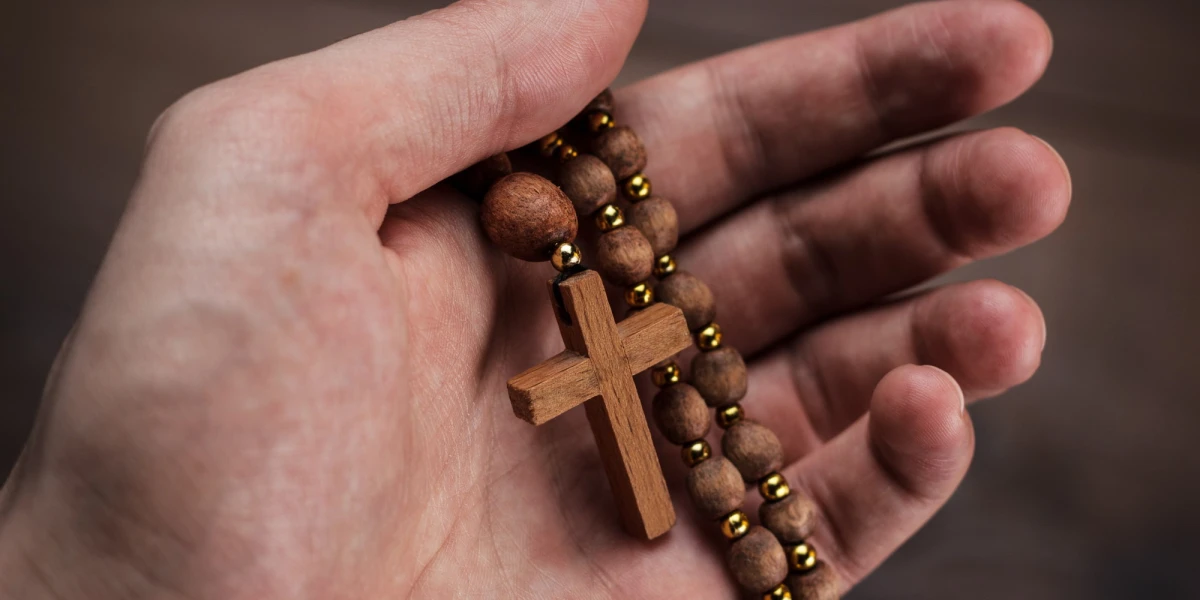
Cross and Personal Talismans
In many religious and spiritual traditions, such items are considered deeply personal.
A cross, amulet, or talisman often accompanies a person for many years and is symbolically linked to their fate. For this reason, they are usually not recommended to be passed on to others.
It is believed that such items should remain with their owner or be kept within the family.
Comb
One of the most well-known superstitions is related to the comb.
Our ancestors believed that hair carries a part of a person's life force, so grooming items should not be lent to others.
However, even without any mysticism, a comb remains a personal hygiene item that is not recommended for shared use with others.
Clothing Associated with Important Events
Clothing worn during significant life changes holds a special place in folk beliefs.
Some believe that items connected to strong emotions, happy events, or serious trials retain a unique emotional imprint.
Therefore, many prefer to keep such wardrobe items as mementos rather than pass them on to others.
Wallet
There are many superstitions related to wallets concerning wealth and prosperity.
According to a common belief, an empty wallet should not be given as a gift or lent to another person. It is thought that along with it, one can symbolically "give away" their financial luck.
That is why many still place at least a coin or a small bill inside before gifting a wallet.
Family Heirlooms
Old photographs, clocks, letters, jewelry, and other keepsakes passed down through generations hold special value.
Even if one does not believe in superstitions, such items preserve memories of loved ones and important events in family history.
Therefore, their transfer is usually treated with great care, with an effort to keep them within the family for future generations.
In the editorial's opinion, most of these beliefs relate more to folk traditions and cultural heritage than to real laws of life. However, they remind us of an important thing: some items are valuable not for their cost, but for the memories associated with them.
That is why many personal belongings are cherished for years. After all, their true value often lies not in their material worth, but in the stories, feelings, and memories they hold.