
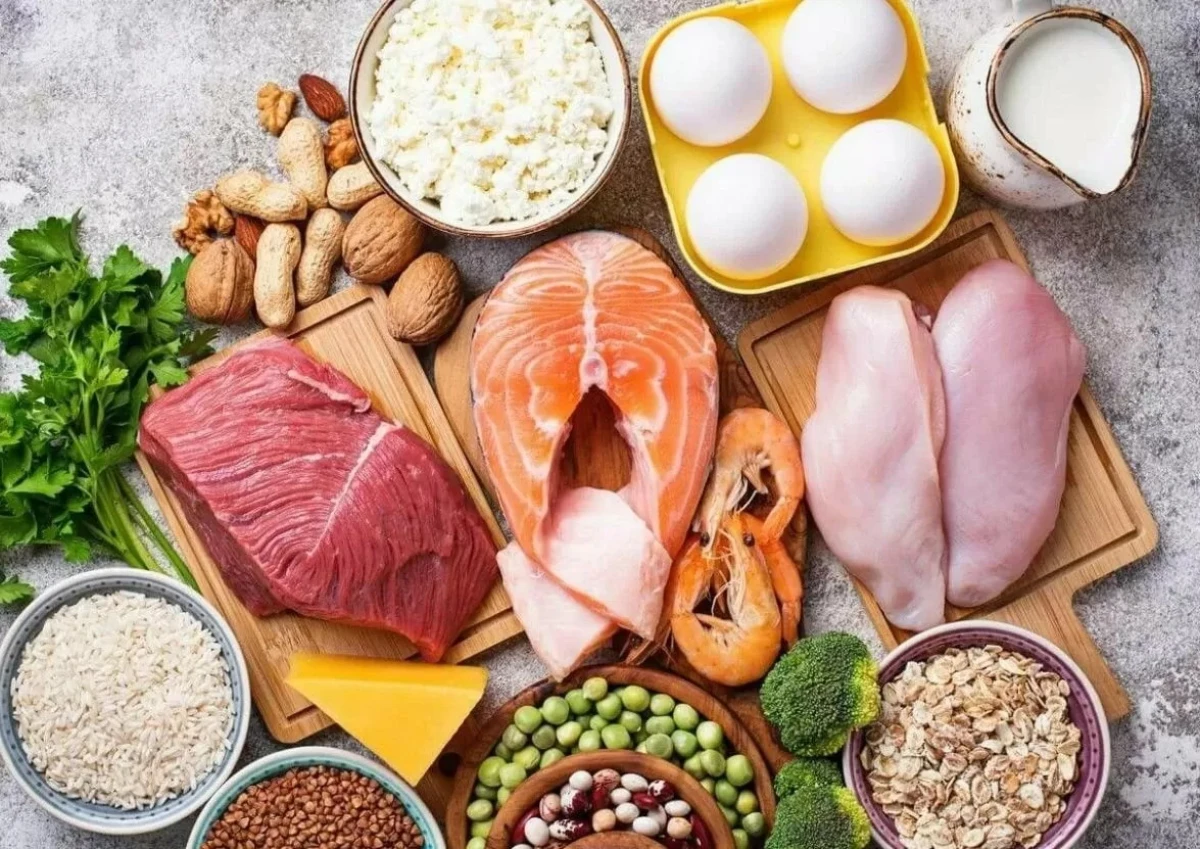
Protein plays a key role in maintaining health, especially as we age. According to dietitian Leah Barron, after 40, the body's need for protein increases, and after 65, this figure becomes even higher. A lack of protein can lead to accelerated muscle mass loss, decreased endurance, and an increased risk of injuries.
The expert stated that the standard recommendation for protein intake — 0.8 grams per kilogram of body weight — is relevant until about the age of 40. After this age, specialists advise increasing the norm to 1–1.2 grams per kilogram of weight, and people over 65 may require more than 1.2 grams of protein per kilogram of body weight.
According to Barron, one of the main reasons for such recommendations is related to age-related muscle mass loss — sarcopenia.
"As we age, the risk of sarcopenia, or age-related muscle mass loss, increases. After 30, the average muscle mass loss over a decade is 3–5%," noted the specialist, referring to data from the U.S. Office on Women's Health.
The dietitian explained that age-related changes in metabolism and hormonal levels gradually worsen the body's ability to maintain muscle tissue. This can lead to decreased physical strength, impaired balance, increased fatigue, and slower recovery from injuries.
At the same time, according to the expert, this process can be significantly slowed down.
"Although muscle mass loss is a natural part of aging, it can be prevented through proper nutrition and strength training. For a person weighing 72 kg at the age of 40, this would mean increasing from about 60 grams of protein per day to 72–87 grams," emphasized Barron.
To increase protein intake, the specialist recommends adding high-protein foods to the diet. Among them:
- 85 g of beef, chicken, or fish;
- 2–3 eggs;
- a cup of beans or lentils;
- a cup of Greek yogurt;
- a cup of tofu.
Additionally, good sources of protein include milk, tempeh, quinoa, peanuts, almonds, hazelnuts, walnuts, sunflower seeds, and nut butters.
Barron emphasizes that adequate protein intake helps maintain activity and quality of life in older age.
"Adequate protein consumption can reduce the risk of falls, help wounds heal faster after injuries, support mobility, endurance, and the immune system, and help us stay strong and active."
According to the specialist, protein is necessary for the body at the cellular level, as it participates in tissue repair and the creation of new cells.
"Therefore, it is important to ensure that you are getting enough of it at any age."
The expert also noted that both animal and plant sources of protein are beneficial. However, animal proteins are considered complete as they contain all essential amino acids, while plant products often require combining to obtain a full set of necessary nutrients.
Experts believe that after 40, it is important to pay closer attention to the amount of protein in the diet. Sufficient protein intake helps maintain muscle mass, supports immunity, activity, and overall well-being. In combination with regular physical activity, protein becomes one of the most important elements of healthy aging.














Leave a comment