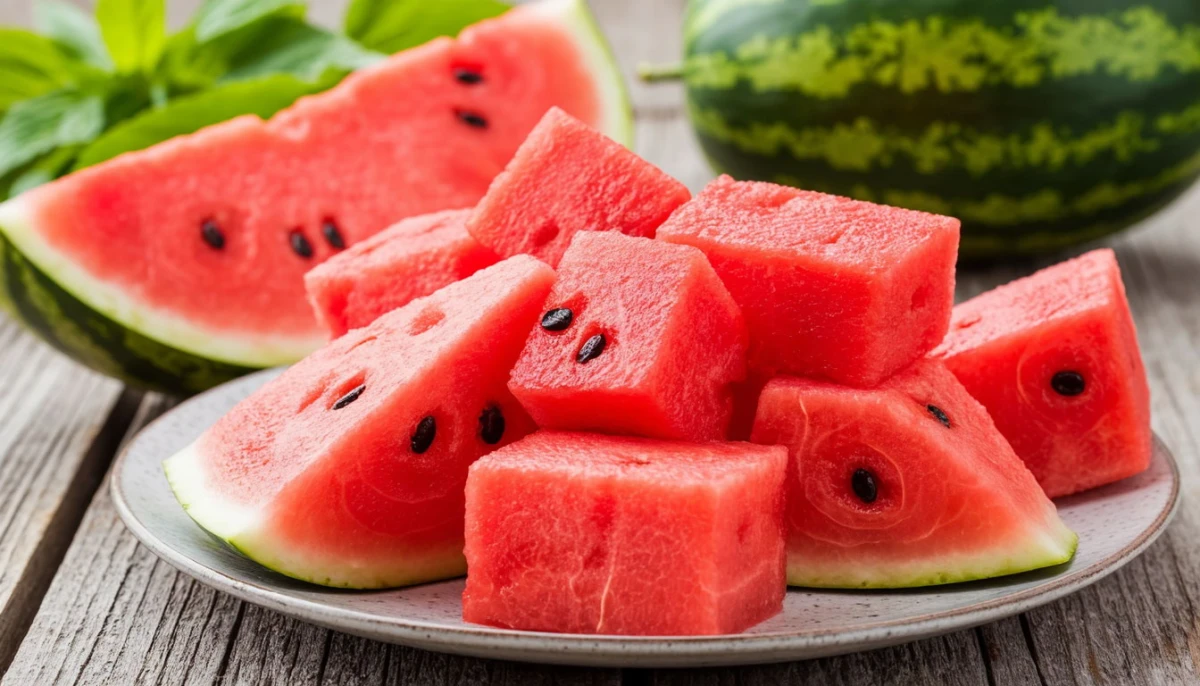
A new study has shown that watermelon and watermelon juice possess several health benefits for the body. Scientists discovered that this popular summer product is rich in antioxidants and substances that support vascular and heart health.
New data has revealed several unexpected health benefits of watermelon and watermelon juice.
Study: Watermelon Turned Out to Be Surprisingly Rich in Antioxidants Linked to Reduced Cancer Risk
According to research published in the journal Nutrients, people who regularly consume watermelon tend to get more vitamins and antioxidants while consuming less sugar and saturated fats.
Watermelon has long been considered a summer favorite due to its high water content. However, one study showed that watermelon juice may also support vascular health and heart function.
What Scientists Found Out
This conclusion was reached by researchers from Louisiana State University after a placebo-controlled study involving 18 healthy young adults who drank watermelon juice daily for two weeks.
The researchers examined the effects of two compounds found in watermelon — L-citrulline and L-arginine. These substances are involved in the production of nitric oxide, which helps blood vessels relax and expand — an important mechanism for normal circulation and cardiovascular function.
The results showed that watermelon juice helped maintain vascular function during hyperglycemia — a condition of elevated blood glucose levels often associated with diabetes — and also affected heart rate variability.
"We understand that the sample size was small — only 18 healthy men and women — and further research is needed. But this work adds to the existing data on the benefits of regular watermelon consumption for cardiometabolic health," noted nutrition professor Jack Losso from Louisiana State University.
Why Red Varieties Are Especially Beneficial
Experts particularly recommend red varieties of watermelon, as they contain the highest amounts of lycopene — a powerful antioxidant. It helps combat free radicals — highly reactive molecules associated with premature aging, cancer development, and dementia.
Lycopene is also what gives tomatoes and many other fruits and vegetables their red color.
"Watermelon is a rich source of antioxidants, vitamin C, and lycopene. All of these help reduce oxidative stress and may play a role in the prevention of cardiovascular diseases," added Losso.
Additional Benefits of Watermelon
Additional data from the National Health and Nutrition Examination Survey showed that people who regularly consume watermelon typically get more:
- dietary fiber;
- magnesium;
- potassium;
- vitamin C;
- vitamin A;
- lycopene.
Moreover, two cups of watermelon contain only about 80 calories but provide approximately 25% of the daily value for vitamin C and 8% for vitamin B6. Another advantage is that watermelon is about 92% water, making it a convenient way to stay hydrated in the heat or after a workout.
In the opinion of the editorial team, watermelon is rightly considered one of the healthiest summer foods. When consumed in moderation, it not only helps maintain hydration but can also provide additional benefits for the heart, blood vessels, and the body as a whole.