
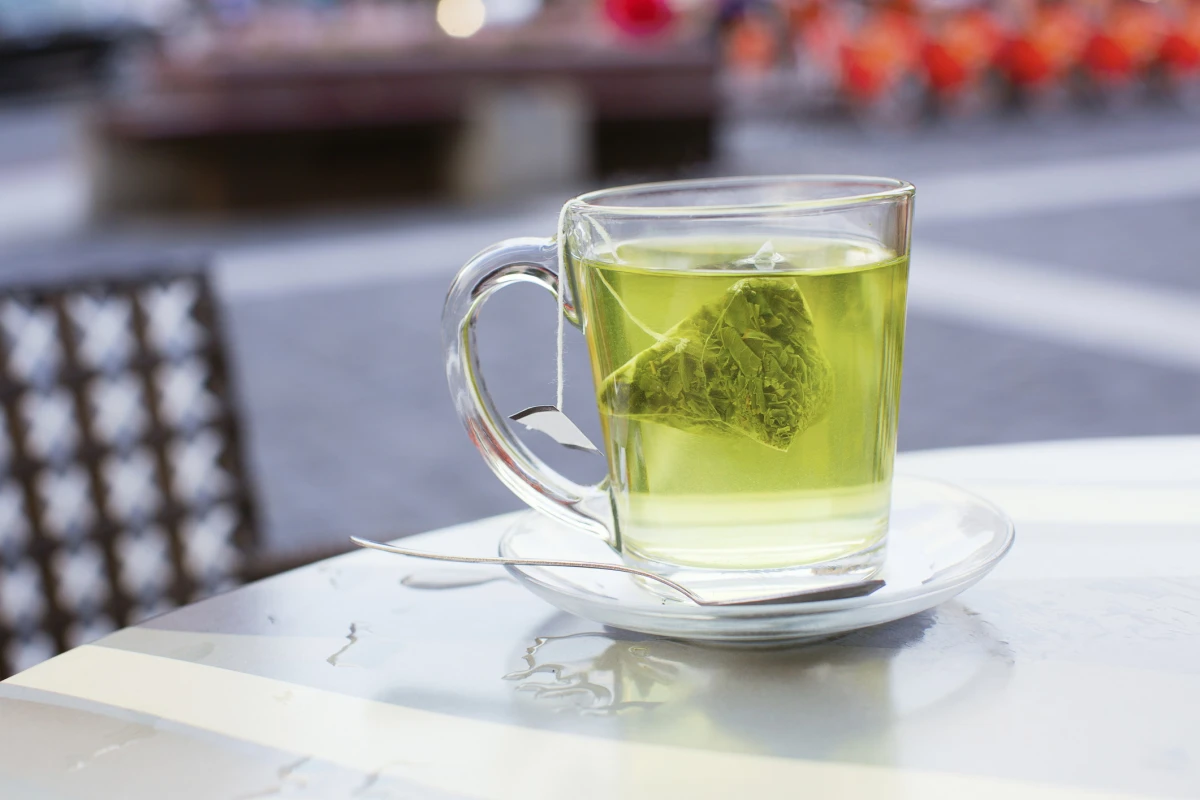
Black and green tea come from the same plant, bagged tea is not always bad, and lemon in tea can be more beneficial than it seems. Family doctor Violeta Kanevets explained which popular myths about tea are not true and what tea lovers should really pay attention to.
Tea is a beverage that many cannot imagine even a single day without. Black or green, loose leaf or in bags, with lemon or without – there are so many debates surrounding it that it's easy to get confused. Let's break down the most common myths about tea.
Myth #1. Black and green tea come from different plants
According to family doctor Violeta Kanevets, both black and green tea are made from the same plant – Camellia sinensis.
"The difference is only in the processing of the leaves. Green tea is almost unfermented, so it retains more antioxidants. Black tea undergoes fermentation – hence it has a richer flavor and darker color," the doctor explains.
Myth #2. Black tea always has more caffeine
Some varieties of green tea can contain as much caffeine as black tea.
"So if you have anxiety, insomnia, tachycardia, or sensitivity to caffeine, then 'harmless green tea at night' can have a very unexpected effect," warns Violeta Kanevets.
Myth #3. All tea in bags is bad
This is partly true, but not always. According to the doctor, cheap bagged teas often use small particles of tea leaves – tea dust or fannings. Such tea brews faster and has a sharper taste. But that doesn’t mean all bagged tea is of poor quality. Much depends on the manufacturer, the quality of the raw materials, and storage conditions.
Myth #4. Loose leaf tea is always better
"It usually has a more natural aroma, releases flavor more slowly, and is often considered of higher quality. But that doesn’t mean all bagged tea is bad, and all loose leaf tea is ideal. It all depends on the manufacturer, storage conditions, and quality of the raw materials," explains the family doctor.
Myth #5. Tea cannot be consumed with high blood pressure
It can be, but moderation is important. Strong black tea can temporarily raise blood pressure in sensitive individuals due to caffeine. At the same time, moderate tea consumption does not cause problems for most people. The key is not to drink it by the liter, not to make it too strong, and to pay attention to your own well-being.
Myth #6. Tea is an absolutely safe beverage
Even tea has its nuances. It can stain teeth, impair iron absorption, and irritate the stomach on an empty stomach due to tannins. Therefore, with anemia, it is better not to drink tea immediately after meals or iron supplements.
Myth #7. Lemon in tea is just for flavor
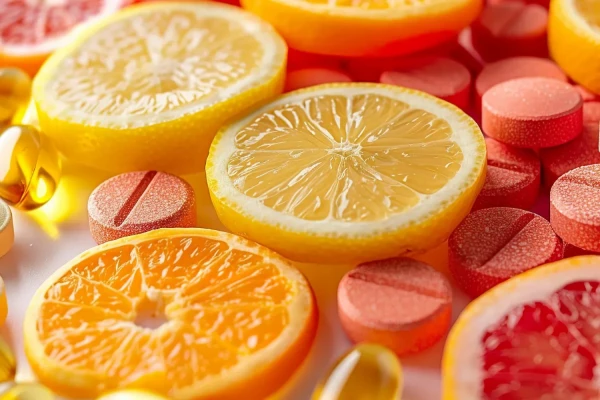
"Vitamin C from lemon can partially improve iron absorption and change the taste of tea. Therefore, the tradition of 'tea with lemon' has not only a flavor-related meaning," notes Violeta Kanevets.
Myth #8. Store-bought iced tea is healthy
Store-bought iced tea often contains a lot of sugar, sometimes almost as much as sweet soda. Therefore, bottled iced tea is not the same as homemade tea.
"The healthiest tea is the one you enjoy, does not cause discomfort, and that you drink in moderation. Because even a very healthy product in excess is no longer about health," concludes the doctor.
According to the editorial team, there are indeed many myths surrounding regular tea that often lead people to make hasty conclusions about the 'harm' or 'benefit' of the beverage. In reality, what matters much more is not the type of tea, but moderation, product quality, and individual reactions of the body.













Leave a comment