Some familiar products can negatively affect memory, blood vessels, and brain function, warn neurologists and neurobiologists.
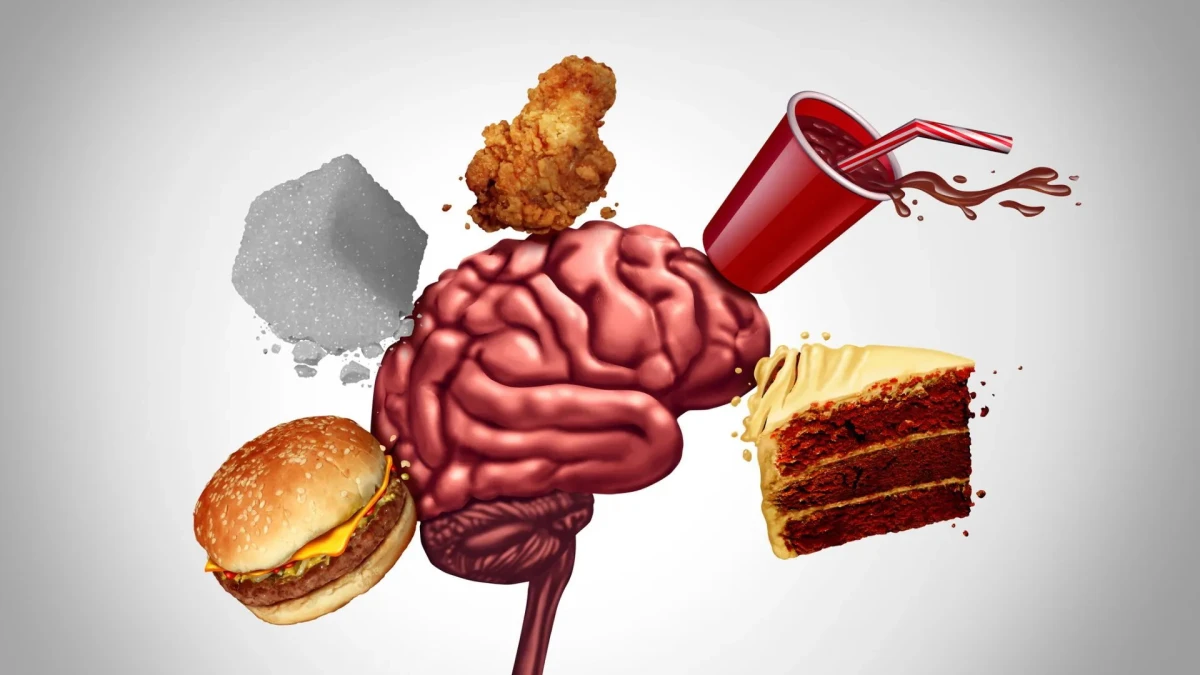
According to specialists, daily diet plays just as significant a role in brain health as intellectual training, and certain foods, when consumed regularly, can increase the risk of dementia, stroke, and cognitive decline.
Food Products
Neurologists and neurobiologists shared which products they try to avoid or significantly limit, writes HuffPost.
Protein Powders in Question
Neurobiologist Friederike Fabritius warns that some protein supplements contain artificial sweeteners that can affect the gut microbiome.
"A healthy and strong microbiome is very important for brain health, as most neurotransmitters are produced in the gut," she explained.
Sweet Carbonated Water
Neurologist Dr. Shahin Lahan calls sweet carbonated water one of the most harmful products for the brain.
"The high concentration of simple sugars damages the brain's blood vessels and can increase the risk of dementia and stroke over time," he noted.
Margarine and Trans Fats
Neurologist Shey Datta advises avoiding margarine due to trans fats, which negatively affect blood vessels, particularly those in the brain.
"People with high levels of trans fats are at greater risk of developing dementia," she said.
Alcohol, Particularly Beer
Neurologist Bayran Ho emphasizes that alcohol is a neurotoxin.
"It can damage the nervous system even with moderate consumption," he said.
Decaffeinated Coffee
Neurobiologist Sean Callan points out the potential chemical residues left after decaffeination.
"Some solvents can be toxic and pose a risk to the nervous system," he explained.
French Fries
Neurologist Pedram Navab warns about the impact of fatty fried foods on the brain's blood vessels.
"This can damage the brain barrier and affect memory and learning," he noted.
Experts emphasize that this is not about complete rejection but about moderation and conscious choices. Even "harmful" products do not necessarily need to be completely excluded — the main thing is that they do not become the basis of the diet.
According to experts, brain health is directly related to what a person eats every day. A balanced diet, minimizing ultra-processed foods, and moderation in sweets, alcohol, and fried foods help maintain memory, concentration, and normal blood vessel function for many years.