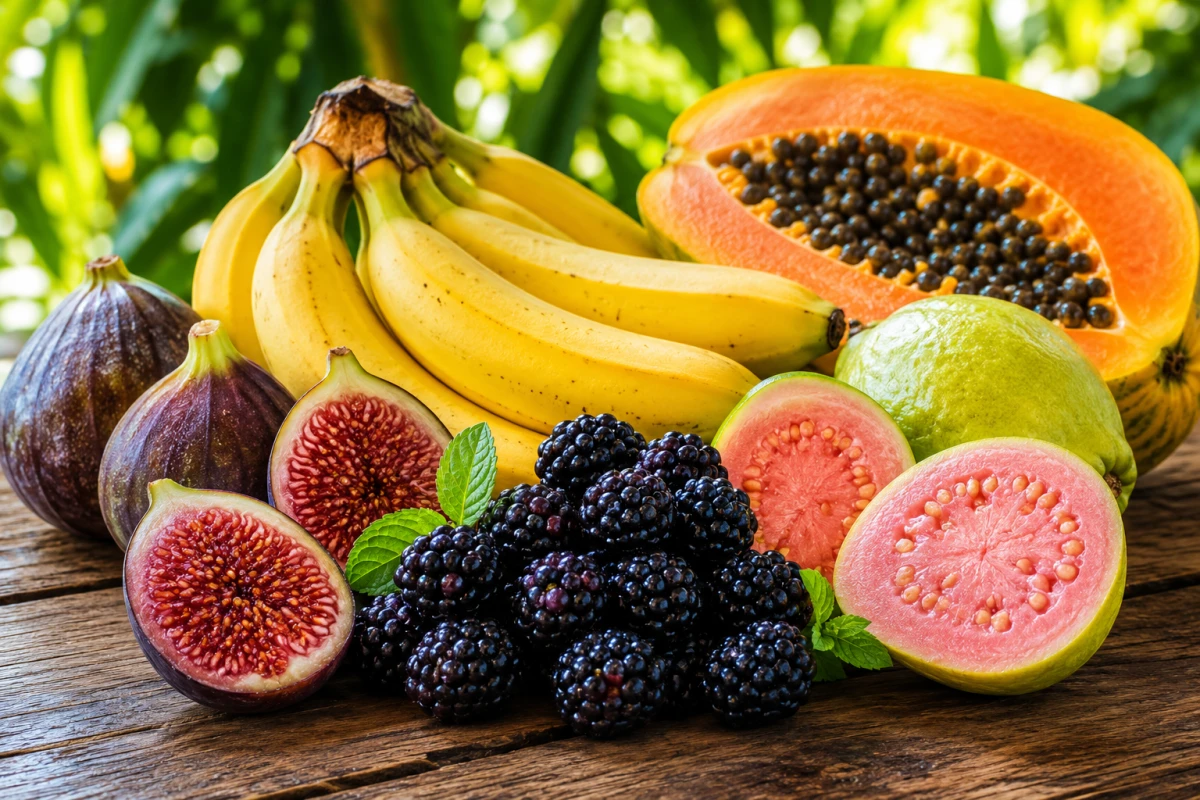
Magnesium plays an important role in the functioning of muscles, the nervous system, the heart, and even affects the quality of sleep. However, many people do not get enough of this mineral from food. Experts have shared which fruits can help naturally increase magnesium levels in the body.
Eating fruits is not only tasty. Many of them contain nutrients that our body cannot function properly without. Magnesium is one of the essential elements found in fruits, writes The Times Of India.
Why Magnesium Is So Important
As stated in the article, this mineral helps muscles relax, supports nerve function, maintains a stable heartbeat, and even plays a certain role in sleep and mood. However, many people do not get enough of it from their daily diet.
According to the Office of Dietary Supplements of the National Institutes of Health, magnesium is involved in over 300 enzymatic reactions in the body. Low intake of this micronutrient leads to fatigue, muscle cramps, and poor sleep quality.
Nuts and seeds are considered magnesium-rich foods. But fruits can also provide a significant amount of this mineral, the publication notes. Moreover, they contain fiber, antioxidants, and a large amount of water.
Six Fruits That Have More Magnesium Than Many Expect
Dried Figs
Dried figs are rarely seen on the table, but they deserve it. As mentioned in the material, one cup of the product contains about 101 mg of magnesium, making it one of the richest sources of this mineral among fruits.
"What makes figs particularly noteworthy is their balance. They are naturally sweet but also contain fiber, potassium, and calcium. This combination can improve digestion and help the body maintain healthy muscle and nerve function," the authors noted.
They write that dried figs can replace traditional sweets while adding nutritional value. However, moderation should also be kept in mind, especially for people who monitor their blood sugar levels, as this dried fruit contains concentrated natural sugars.
Avocado
Avocado is usually talked about as a source of healthy fats, but it is also rich in magnesium: one cup of diced fruit contains about 43.5 mg of this mineral, the publication noted.
Avocado also prevents overeating. It is digested slowly, which is why many nutrition experts recommend it for breakfast or lunch.
"The texture of avocado affects how people eat. It promotes slower eating. A piece of avocado spread on toast with lemon and pepper is often more filling than ultra-processed snacks that are mindlessly consumed in front of screens," the article states.
Bananas
Bananas are known for their potassium content, but one medium fruit also contains about 32 mg of magnesium.
"Magnesium and potassium often interact in the body, especially when it comes to muscle function and hydration balance. This is one reason why bananas remain popular among athletes and people recovering from physical exhaustion," the publication explained.
Additionally, bananas are affordable, easily digestible, and available almost everywhere.
Blackberries
One cup of blackberries contains about 29 mg of magnesium, as well as fiber and antioxidants that support overall health. Their rich color is due to anthocyanins—plant compounds with antioxidant properties, the authors reported.
If fresh blackberries are not available, frozen ones can be consumed, which also have significant nutritional value, the publication noted.
Guava
Guava is valuable not only for its vitamin C content. One cup of this fruit also contains about 36.4 mg of magnesium. Additionally, it is high in fiber and antioxidants while being relatively low in calories.
This fruit provides a feeling of fullness without causing heaviness, the authors of the article note.
Papaya
One small papaya contains about 33 mg of magnesium, as well as the digestive enzyme papain, which is essential for gut health. It is beneficial when someone experiences bloating, fatigue, or mild discomfort.
"Its soft texture also allows elderly people or those with sensitive digestion to regularly consume fruits without discomfort," the publication assured.
Why Magnesium Is So Important
As noted in the article, modern eating habits have changed dramatically. Food is now prepared faster, more processed, and often devoid of natural minerals. Stress levels are also higher, and studies show that chronic stress can affect magnesium balance in the body.
The material emphasized: this does not mean that everyone needs supplements immediately. In many cases, making the right food choices can help naturally increase magnesium intake.
Experts remind us that a balanced diet remains one of the best ways to maintain normal magnesium levels without the need to constantly rely on supplements. Fruits rich in this mineral not only help the body obtain essential micronutrients but also provide it with fiber, antioxidants, and additional moisture.