
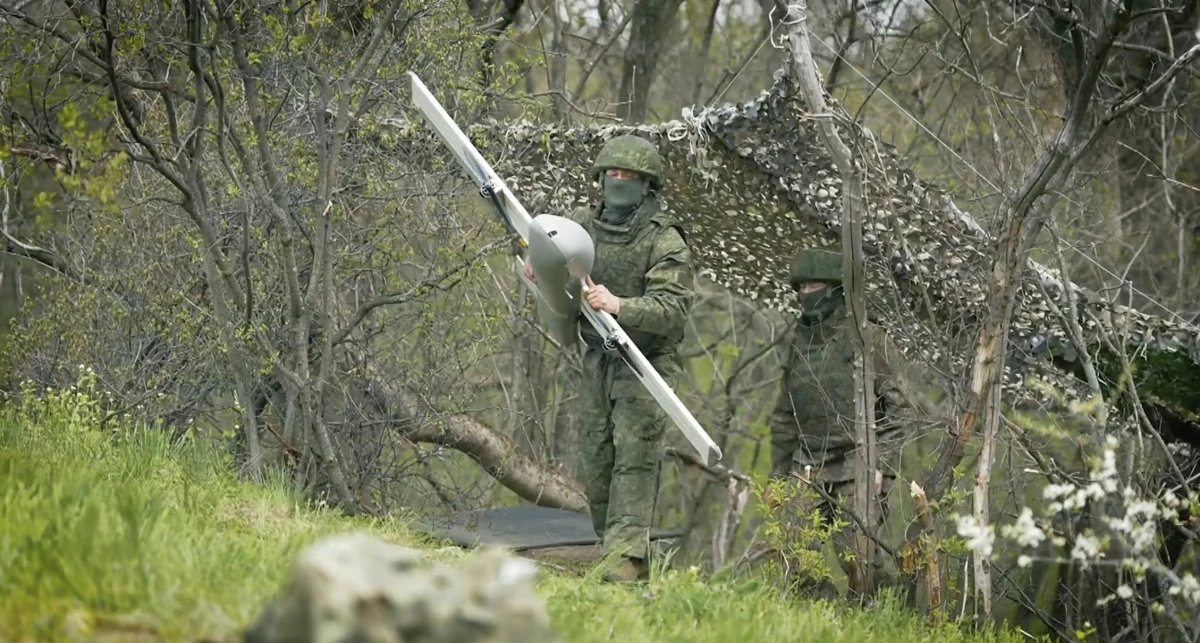
Russia is intensifying efforts to create informational and political preconditions for possible future aggression against the Baltic states, believe analysts from the American Institute for the Study of War (ISW).
Experts point out that the Kremlin is increasingly using threats, propaganda, and military rhetoric to influence NATO decision-making, divide Ukraine's allies, and simultaneously distract from Russia's growing problems on the front in Ukraine, writes tv3.lv.
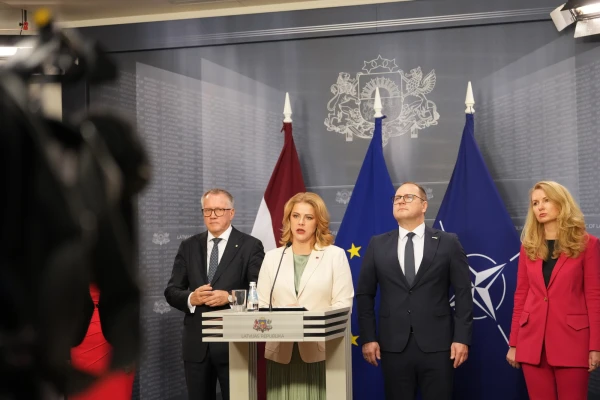
Particular concern among ISW analysts has been raised by statements from the Russian Foreign Intelligence Service (SVR), which claimed that Ukraine is allegedly preparing drone strikes against Russia from the territory of the Baltic states, especially from Latvia. The SVR stated that Ukrainian drone operators are already stationed at Latvian military bases and indirectly threatened possible strikes on "decision-making centers" in Latvia and the Baltic region.
Latvian officials categorically rejected these claims, emphasizing that Latvia has not allowed its territory or airspace to be used for attacks on Russia.
ISW believes that such statements are not coincidental. According to analysts, the Kremlin regularly employs the SVR and other Russian structures to disseminate unfounded and aggressive narratives aimed at destabilizing neighboring countries and preparing the information space for possible further escalation.
Analysts note that Russia has long been trying to create the impression that NATO, especially the Baltic states, is allegedly directly involved in the war against Russia.
At the same time, Russia is conducting large-scale and unannounced strategic nuclear exercises involving tens of thousands of troops, hundreds of missile systems, aircraft, and submarines. According to ISW, these exercises serve not only military purposes but also act as a psychological and political demonstration to the West.
Russian officials have simultaneously reiterated threats against NATO, warning of a possible "direct confrontation with catastrophic consequences."
Analysts emphasize that such aggressive rhetoric coincides with a difficult situation for Russia itself on the front in Ukraine. Russian forces have failed to achieve significant success in the 2026 offensive, the Ukrainian army has seized tactical initiative in several sectors, and Ukrainian long-range strikes are increasingly hitting Russian military and energy infrastructure deep within the country.
ISW also points to growing problems for Russia in recruiting soldiers. Despite significant increases in one-time bonuses for contract soldiers, recruitment rates are declining while losses on the front are rising.
Russia is increasingly using alternative recruitment methods, including attracting prisoners, debt forgiveness, and other benefits for participation in the war against Ukraine.
Additional concerns arise from reports of deepening military cooperation between China and Russia. Reuters, citing European intelligence agencies, reported that the People's Liberation Army of China secretly trained Russian soldiers in drone operations and modern combat tactics in 2025.
According to ISW, Russia and its allies are increasingly using the war in Ukraine as a platform for military training and testing new technologies in real combat conditions.
Overall, ISW concludes that Russia is simultaneously trying to maintain pressure on Ukraine, intimidate NATO countries, and prepare the informational conditions for possible future provocations against the Baltic region.







Leave a comment