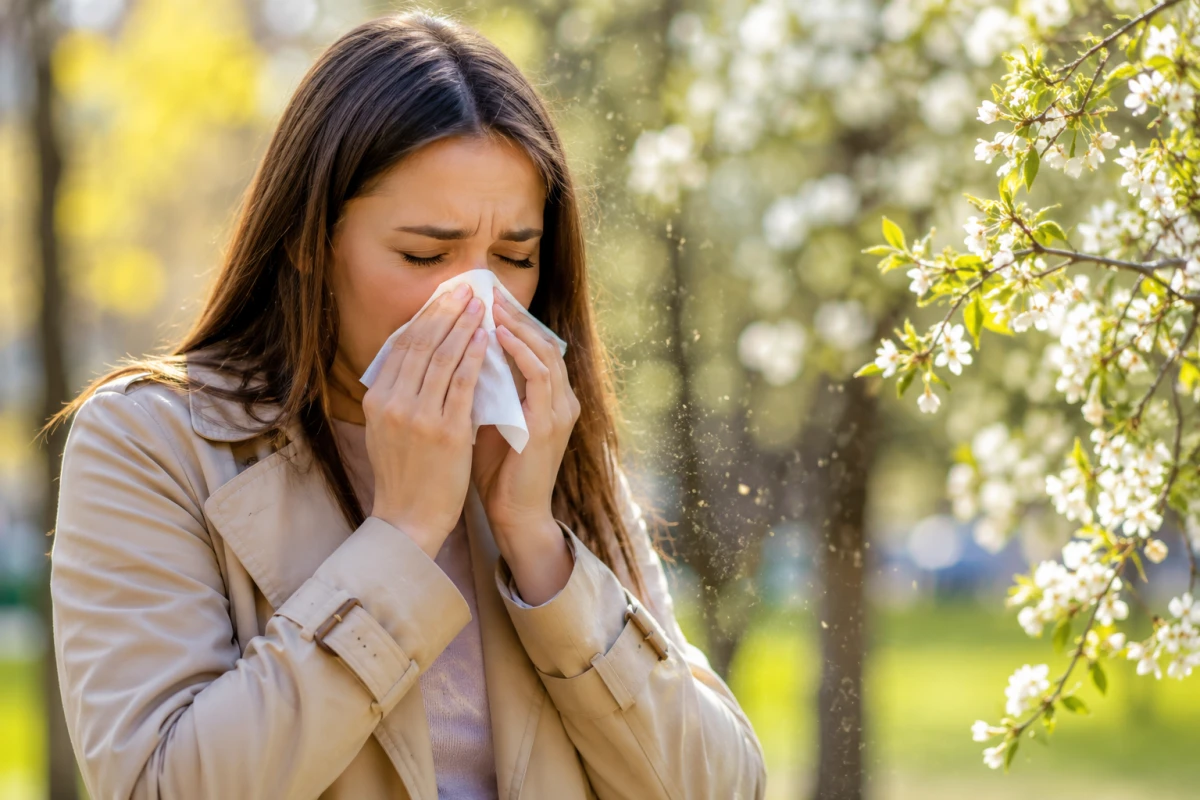
Due to climate change, the blooming season is getting longer, and allergy symptoms are becoming stronger. According to experts, about 400 million people worldwide currently suffer from allergic rhinitis.
The blooming season is increasingly turning into a trial: according to experts, about 400 million people worldwide suffer from allergic rhinitis - a reaction to pollen and other allergens. Moreover, due to climate change, symptoms are becoming stronger, and the season itself is getting longer. In a publication by BBC, the authors gathered doctors' advice on how to survive this time.
Experts note: modern treatment methods can significantly alleviate the condition if used correctly and in a timely manner.
What Specialists Recommend
The main recommendation is to focus not on pills, but on nasal sprays. Unlike antihistamine medications in pill form, they act directly in the nasal cavity and better relieve congestion, sneezing, and runny nose. Sprays with corticosteroids are considered the most effective, and even better are combined options with an antihistamine component.
At the same time, doctors advise avoiding vasoconstrictor sprays (for congestion): with prolonged use, they can have the opposite effect and worsen symptoms.
If choosing pills, preference should be given to second-generation medications - they are more effective and less likely to cause drowsiness.
When to Start Treatment
It is better to start therapy in advance - a few weeks before the pollen season begins. This helps reduce the severity of symptoms. It is also important to use medications regularly, even if one feels fine on a particular day.
Equally important is the correct technique: nasal sprays should be directed not "deeply" but towards the wall of the nose, and the head should be slightly tilted forward - this makes the medication more effective. The same goes for eye drops: they are better applied in the inner corner of the eye.
How to Reduce Pollen Impact
In addition to medications, prevention is important. Specialists recommend:
-
keeping windows closed during periods of high pollen concentration;
-
wearing sunglasses or a mask outdoors;
-
taking a shower and changing clothes after returning home;
-
not drying laundry outside to avoid pollen accumulation.
When to See a Doctor
Allergies are often perceived as "ordinary runny nose," but they can seriously affect quality of life, sleep, and breathing. If symptoms persist despite treatment, it is advisable to consult a doctor: sometimes other diseases, such as asthma, may be hidden behind them.
In severe cases, patients may be offered allergen-specific immunotherapy - a method that helps reduce sensitivity to pollen and alleviate symptoms in the long term.
Doctors emphasize that allergies should not be perceived as a harmless runny nose, warns bb.lv. Timely treatment, correct use of medications, and simple preventive measures can significantly alleviate symptoms and reduce the impact of pollen on quality of life. If the condition does not improve, specialists recommend consulting a doctor and not ruling out more serious respiratory diseases.