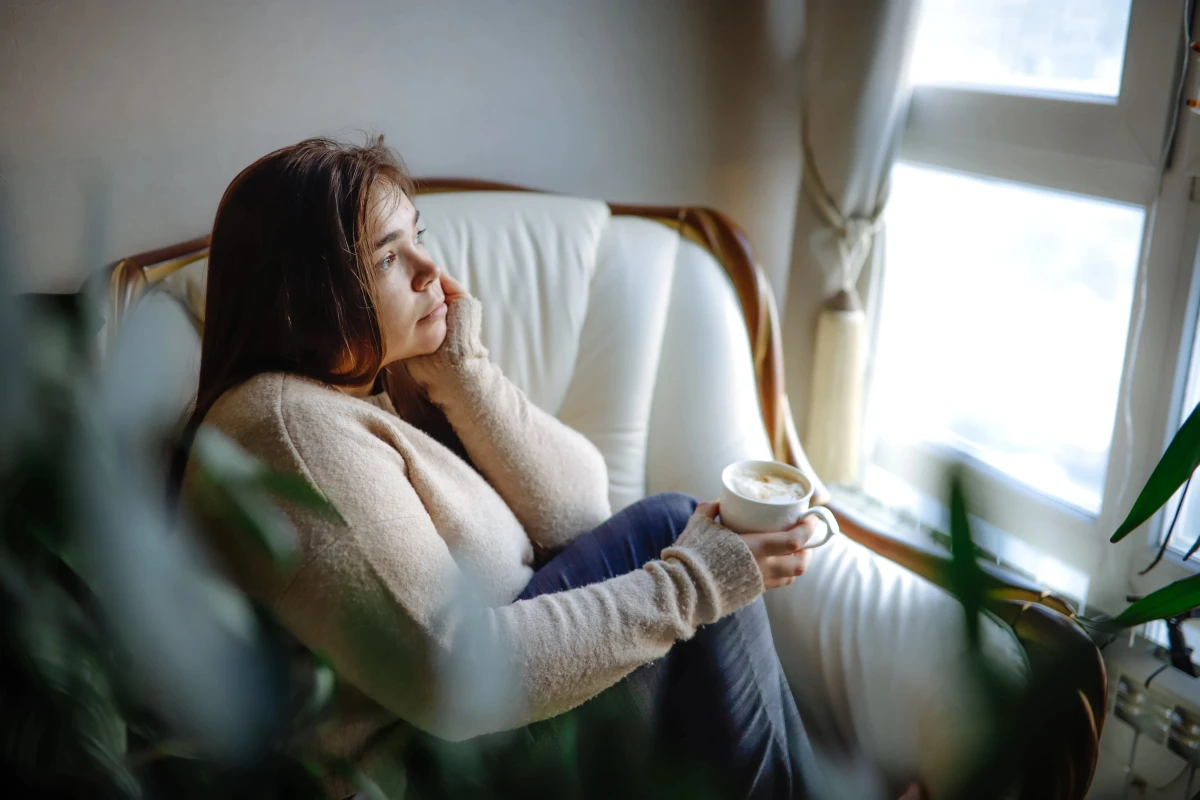
Life in solitude in middle age is often perceived as vulnerability; however, psychologists argue the opposite. People aged 40–50 without a permanent partner often develop emotional resilience and the ability to cope with difficulties independently.
Psychologists claim that people aged 40-50 who live alone, without emotional support from a partner, do not become tougher or more withdrawn. They develop a special ability that most people in relationships never need. As the portal experteditor.com.au writes, time spent alone can help develop emotional resilience — the ability to adapt to stress, difficulties, and adversities. Such individuals gain the ability to hold onto grievances without immediately projecting them onto someone else.
What Loneliness Really Does to a Person
When you have a partner, there is a natural tendency to offload burdens onto others. A tough day at work, an unpleasant feeling in your chest, you come home and transfer it onto your partner. Part of the burden is taken on by your partner. They might say something right, or maybe not, but in any case, you are not carrying it alone.
However, people who live independently in middle age do not have that option. When you are alone, you are forced to rely on yourself for comfort, affirmation, and motivation, rather than seeking them from external sources, and the ability to manage your emotions independently makes you better prepared for life's ups and downs.
According to research published in Psychology Today, loneliness helps to shape and develop character, enhances resilience and independence, freeing a person from the demands of others and allowing them to discover their own natural preferences and dislikes.
At the same time, researchers have found that older adults experience stronger positive emotions, weaker negative emotions, are more emotionally stable, and more successfully regulate their desires. The essence is that the ability to cope with emotional states becomes more effective with age and practice.
It is also important to understand the difference between being withdrawn and being self-sufficient. Self-sufficiency is not living in isolation and refusing help; rather, it is the ability to handle life's challenges independently and, when necessary, actively seek help from those who can provide it, in the manner and form needed, instead of receiving help forcibly and becoming dependent on those who assist.
What This Quiet Strength Looks Like in Practice
Such a person can receive bad news and contemplate it throughout the day before deciding how they feel. This person goes to a difficult doctor's appointment alone and copes with it, not because they do not want someone nearby, but because they have realized that they can. This sense of independence and self-sufficiency, formed over years of relying on one's own resources, both mental and emotional, strengthens the confidence in the ability to cope with life's challenges without constant support from others.
According to research summarized by the British Psychological Society, by removing social pressure, loneliness can free us, allowing us to be ourselves. This was shown in a study of 175 British and American adults over 35 who kept daily diaries. On days when participants preferred to spend more time alone, they felt not only less stressed but also less controlled or forced to behave in a certain way.
The editorial team believes that loneliness does not necessarily lead to isolation — it can become a source of inner strength and independence. The ability to rely on oneself helps to better cope with stress and make decisions without external pressure, forming a more resilient and mature personality.