
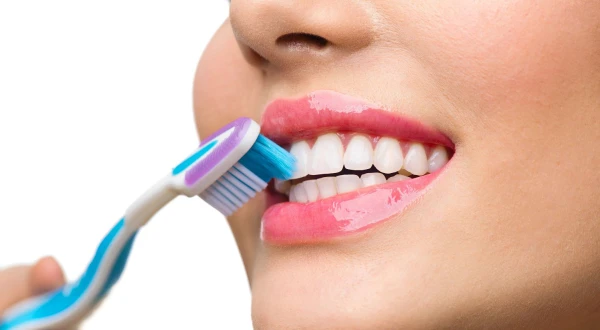
As we age, dental health requires increasingly careful and systematic attention. While basic hygiene is sufficient in youth, after 30, care gradually becomes more comprehensive and must take into account the changes occurring in the body.
After 30: Prevention Takes Center Stage
At this age, teeth may appear healthy on the outside, but it is after 30 that hidden problems begin to accumulate. The enamel's ability to regenerate decreases, sensitivity increases, and plaque forms more quickly. Dentists recommend not limiting oneself to standard brushing but complementing care with the use of dental floss, irrigators, and regular professional hygiene. The basic rule is to brush teeth at least twice a day and maintain oral health systematically, rather than episodically. It is also important to pay attention to nutrition after 30: excess sugar and acids accelerate enamel destruction and contribute to the development of cavities.
After 40: Attention to Gums and Hidden Processes
After 40, changes become more noticeable. According to specialists, the risk of root caries and gum diseases, including periodontitis, increases. Additionally, tissues regenerate more slowly, so any inflammatory processes require more careful monitoring. Many people experience increased tooth sensitivity and signs of enamel wear, which are related to natural age-related changes.
During this period, it is especially important to visit the dentist regularly, undergo professional cleaning, and adjust care as needed — for example, using soft brushes and specialized pastes.
After 50: New Risk Factors
After 50, dental care requires an even more individualized approach. One common problem is dry mouth, associated with decreased saliva production. Saliva plays a key role in protecting teeth from bacteria, so its deficiency increases the risk of cavities and inflammatory processes. Additionally, at this age, gum diseases, increased sensitivity, and the need for prosthetics are more common.
Specialists note that care should include not only hygiene but also monitoring overall health, as systemic diseases — such as diabetes — can also affect oral health.
Why Age-Related Care is Necessary
The main mistake is to think that the rules for dental care remain unchanged throughout life. In practice, both risks and the body's needs change with age. While basic hygiene is sufficient in youth, a comprehensive approach is necessary as one ages: regular visits to the doctor, use of additional care products, and attention to the body's signals.
...Maintaining dental health is possible at any age; however, it is important to adapt care in a timely manner. After 30, prevention plays a key role; after 40, monitoring the condition of gums and enamel is essential; and after 50, accounting for additional risk factors is crucial. It is this systematic approach and regular attention to oral health that allow for the preservation of dental health and quality of life for many years.














Leave a comment