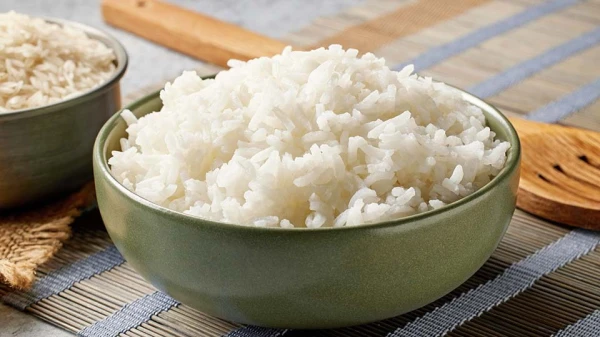
We thoroughly wash fruits and vegetables, but often forget the importance of this procedure for grains. Washing rice is not just a matter of cleanliness, but a key technological step that directly affects the texture, taste, and even safety of your culinary masterpiece.
Washing rice is not just a hygienic measure, but a fundamental culinary secret. It helps remove dust, small debris, and chemical residues that may have accumulated during the transportation of the grains.
Removing excess starch from the surface makes the rice fluffy and prevents it from sticking together. It is important to remember that all types of rice should be washed, regardless of variety or packaging type.
Washing and soaking are two different processes, each with its unique purpose. The former ensures the cleanliness of the product, while the latter significantly speeds up its cooking.
Why Wash Rice: Hygiene and Culinary Success
The main task of washing is to clean the rice of dirt and possible insects that may have entered it on its long journey from the field to your table. Besides cleanliness, this step is critically important for achieving the perfect culinary result.
If the surface starch is not washed away, it will turn into a sticky mass. As a result, the rice will become too sticky and mushy, ruining the impression of the dish.
Which Types of Rice Require Washing
Whether it is short-grain, long-grain, parboiled, or even sticky rice — each of them requires thorough washing. Some mistakenly believe that washing "sticky" rice will strip it of its characteristic texture, but this is just a common myth.
The stickiness of rice is due to the starch that is inside the grain and is released only during cooking. The external starch that we wash away only adds unnecessary viscosity and stickiness.
How to Properly Wash Rice
The optimal way is to wash rice through a fine sieve under cold running water. Pour the grains into the sieve and gently shake it until the water becomes almost clear, which usually takes 1-2 minutes.
It is important not to rub the grains too hard with your fingers to avoid damaging their delicate structure. An alternative method is to wash the rice in a bowl, changing the water several times until it stops being cloudy.
Soaking as an Additional Step
Do not confuse washing with soaking, as these are completely different processes with different purposes. If you want to speed up cooking and make the grains softer, for example, for pilaf or pudding, after washing, soak the rice in water for 30 minutes.
This will allow the grain to evenly absorb moisture before cooking, ensuring the perfect texture of the finished dish.
Are Nutrients Lost When Washing?
Indeed, washing can wash away a small portion of water-soluble B vitamins. This is especially relevant for enriched white rice, which is artificially sprayed with vitamins after milling.
However, we are talking about insignificant losses of trace elements that cannot compare to the benefits of properly cooked rice. If the rice is not washed, the dish will turn out completely different from what you expect.
Perfect rice starts not from the stove, but from thorough washing. Just a couple of minutes on this simple yet important step will make your dish truly restaurant-quality.