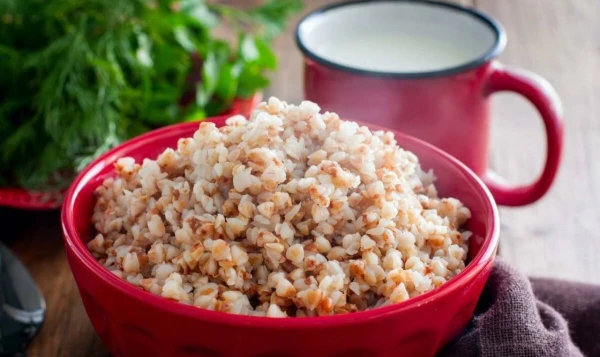
Buckwheat has long been considered one of the most popular products in the diet, yet its real health benefits are not known to everyone. This grain has a rich composition and can have a comprehensive impact on health—from blood vessels to aging processes.
Buckwheat contains a large amount of rutin, magnesium, iron, and other biologically active substances. Additionally, it is gluten-free, making it suitable for people with sensitive digestion and intolerance to this protein. Nutritionist Olga Yablokova explained the benefits of buckwheat.
Rutin and Vascular Health
Buckwheat is one of the main sources of rutin—a flavonoid with pronounced antioxidant properties. It strengthens the walls of blood vessels, lowers cholesterol levels, and reduces the risks of cardiovascular diseases.
Rutin helps strengthen capillaries, reduces their fragility and permeability, and participates in regulating vascular tone. It is especially important in cases of varicose veins, couperose, and a tendency to bleeding.
In combination with vitamin C, this component improves microcirculation and helps reduce the manifestations of venous insufficiency. Green buckwheat is considered more beneficial than the usual brown one, as some rutin (about 20%) is destroyed during thermal processing.
Magnesium and the Nervous System
Buckwheat is one of the leaders in magnesium content. There are about 200 mg of this mineral in 100 grams of dry grain—approximately half of the daily norm. After cooking, its amount decreases but remains significant.
Magnesium helps regulate blood pressure, supports heart rhythm, and promotes relaxation of blood vessels. It is essential for the normal functioning of the nervous system, helps reduce stress levels, fatigue, and increases overall body tone.
Regular consumption of buckwheat helps replenish magnesium deficiency and positively affects well-being.
Iron and Energy
Buckwheat contains iron, which is necessary for hemoglobin synthesis and oxygen transport in the body. In case of deficiency, this grain can serve as an accessible plant source.
However, it is important to note that plant-based iron is absorbed less effectively than that from animal products. To improve its absorption, it is recommended to combine buckwheat with foods rich in vitamin C and avoid simultaneous consumption with tea, coffee, and dairy products.
What Research Shows
Researchers at Siberian Federal University found that including buckwheat in the diet can increase the level of the SIRT1 protein, which is associated with longevity processes.
This protein is involved in regulating cell aging and increases the body's resistance to stress. According to scientists, regular consumption of buckwheat may help slow down age-related changes and reduce the negative effects of stress. The results of the study were published in the Journal of Cereal Science.
Additional Benefits
Buckwheat is rich in B vitamins, which are important for the nervous system and skin health. It also contains phosphorus, which is necessary for bone tissue and energy metabolism.
The high fiber content helps normalize intestinal function, improves microflora, and supports immunity. Due to the absence of gluten, buckwheat does not cause inflammatory reactions in the gastrointestinal tract and is suitable for regular consumption.
Important Considerations
Despite its benefits, buckwheat is not suitable for everyone. It is not recommended for people with allergies to this product, kidney diseases, increased sensitivity to iron, and certain digestive disorders.
Before including this grain in the diet, it is important to consider individual body characteristics and consult a specialist if necessary.
Buckwheat is not just a familiar side dish but a valuable product that supports the health of blood vessels, the nervous system, and metabolic processes. With regular and moderate consumption, it can become an important part of the diet and contribute to maintaining health for many years.