
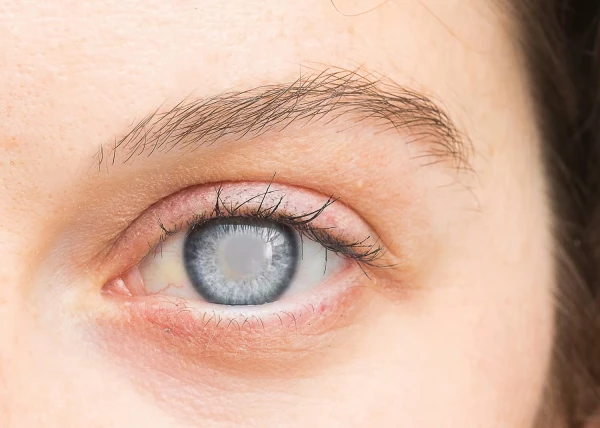
Glaucoma is one of the most dangerous eye diseases, which can go unnoticed for a long time. At the same time, it is the early symptoms that allow for timely detection of the problem and preservation of vision.
Let's figure out which signals should not be ignored.
Episodes of Blurred Vision
One of the first signs is a temporary deterioration in vision. This is not a constant haze, but periodic episodes when the image becomes blurry or seems to disappear.
Most often, this occurs:
-
in the morning after waking up,
-
when tilting the head (for example, when you lean forward).
Many attribute such symptoms to fatigue or fluctuations in blood pressure; however, the cause may be an increase in intraocular pressure. If such episodes occur regularly, it is a reason to consult a doctor.
Rainbow Circles Around Light Sources
Another characteristic symptom is the appearance of colored halos around lamps, streetlights, or car headlights in the dark.
This effect arises from corneal swelling and often signals problems with intraocular pressure. Despite this, it is often mistaken for ordinary glare or visual peculiarities.
Sensation of Pressure and Heaviness in the Eyes
Patients often describe this condition as:
-
tension,
-
a feeling of fullness,
-
a sensation of an "overfilled" eye.
It is important that this discomfort does not go away after rest or sleep. In some cases, it even intensifies in the morning, distinguishing it from ordinary eye fatigue.
Narrowing of the Field of Vision
In later stages, peripheral vision may be impaired.
A person begins to:
-
navigate space worse,
-
not notice objects to the side,
-
bump into furniture or door frames.
This is related to the fact that glaucoma gradually "narrows" the field of vision, forming what is known as tunnel vision.
Frequent Change of Glasses Without Result
If vision deteriorates and selecting new glasses does not bring improvement, the cause may not be in the diopters.
Such a symptom sometimes indicates damage to the optic nerve, which is characteristic of glaucoma.
Who is at Risk
The likelihood of developing glaucoma is higher in people:
-
over 40 years old,
-
with diabetes,
-
with hypertension,
-
with high myopia,
-
with a hereditary predisposition.
How to Protect Your Vision
The main preventive measure is regular examinations.
It is recommended to undergo them at least once a year. They include:
-
measuring intraocular pressure,
-
examining the optic nerve,
-
checking the fields of vision.
Glaucoma cannot be completely cured, but if detected early, its progression can be significantly slowed down, preserving vision for many years.














Leave a comment