
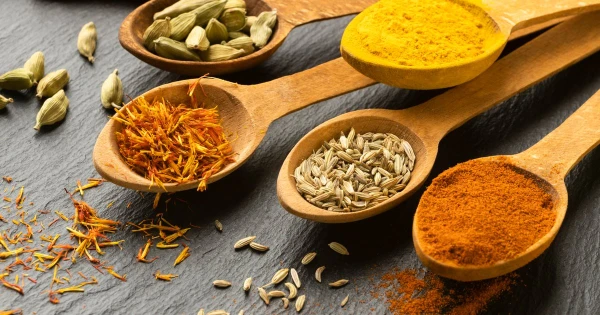
Some spices can not only enhance the flavor of dishes but also ease the work of the digestive system. Experts note that when used correctly, they help reduce bloating, alleviate discomfort, and speed up digestion.
One of the most studied spices is mint. Thanks to menthol, it relaxes the muscles of the intestines, reduces spasms, and decreases gas formation. It is especially effective as a tea after meals.
Another popular remedy is ginger. Studies show that it helps with bloating and nausea, stimulates the production of digestive enzymes, and improves food absorption.
Fennel and anise are traditionally used for flatulence. Their active substances promote the relaxation of smooth muscle in the intestines and reduce discomfort after eating.
Caraway and cumin are also considered effective helpers for the stomach. They stimulate the production of gastric juice, improve the digestion of heavy foods, and help cope with the feeling of heaviness.
Among Mediterranean herbs, rosemary, thyme, and oregano hold a special place. Their essential oils activate digestive processes, support bile production, and have anti-inflammatory effects.
Turmeric and cardamom, in turn, contribute to normal liver function and facilitate the digestion of fatty foods. They can also reduce gas formation and support the balance of microflora.
Experts emphasize that spices work due to biologically active compounds and essential oils that stimulate gastric juice production and improve intestinal motility. However, the effect depends on the quantity and individual response of the body.
...Properly selected spices can be a simple and accessible way to support digestion. Nevertheless, it is important to maintain moderation and consider individual characteristics of the body — in some cases, even beneficial seasonings can have the opposite effect.














Leave a comment