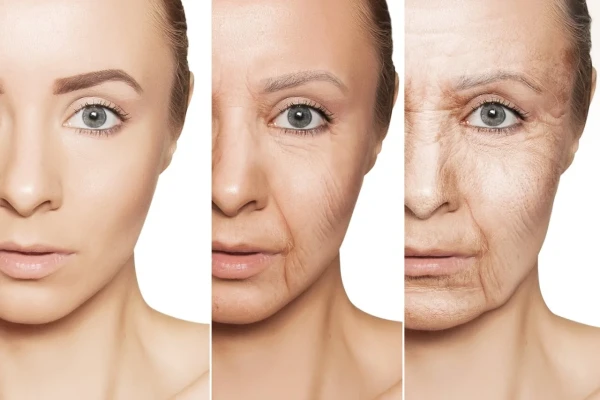
Human aging occurs unevenly: around age 50, a phase of rapid tissue wear begins in the body. This conclusion was reached by scientists from the Chinese Academy of Sciences. This is reported by Cell.
The authors studied 13 types of tissues (heart, blood vessels, liver, pancreas, skin, muscles, etc.) based on more than 500 samples from 76 donors aged 14–68 years. The most noticeable changes were identified in the age range of 45–55 years: during this period, a large-scale "restructuring" of the protein composition of organs begins, associated with a decline in their functions.
The most pronounced signs of aging were found in the aorta, with significant changes in the spleen and pancreas. At the same time, with age, the activity of dozens of proteins associated with diseases increases: among them are markers of cardiovascular disorders, tissue fibrosis, and fatty liver disease.
An experiment on mice confirmed the influence of specific proteins on aging. The introduction of one of the "age-related" proteins to young animals led to a decrease in strength, endurance, and coordination, as well as signs of vascular aging. Scientists believe that understanding such "acceleration points" will help develop precise methods for preventing age-related diseases and personalized medicine.