

In spring, the female body experiences incredible difficulties: weight gain, swelling, emotional instability, and cycle disorders. All this not only affects physical health but also brings psychological discomfort. What is the cause of such changes?
Spring is a time of renewal. The body's systems begin to function more actively, and this is a proven fact. The endocrine system, the main regulator in our body, experiences particular stress. An optimal concentration of vitamins, minerals, fats, and proteins in the body is considered a prerequisite for the normal functioning of peripheral endocrine organs — the thyroid gland, adrenal glands, ovaries, and testes. Each of these components plays its role, like an actor in a play. In the case of a deficiency or even a slight lack of at least one of the components, normal hormone production cannot be expected, said Lilia Afanasyeva, gynecologist, endocrinologist, chief.
Main Hormones
Among the many hormones produced by the female body, the main ones that largely determine a woman's life are the sex hormones: estrogens and progesterone. Among estrogens, three main types are distinguished: estradiol, estriol, and estrone. However, progesterone is singular for all occasions.
The pathway for the production of female sex hormones is complex and depends on many factors. Estrogens and progesterone are primarily synthesized in the ovaries. But not only there. Progesterone can also be produced in the adrenal cortex and the placenta during pregnancy. Estrogens are also produced in the adrenal cortex, placenta, and even in adipose tissue (especially in the abdominal and thigh areas — "jodhpurs"), bones, and muscles. Here, they are formed from androgens, helping a woman adapt to the reduced functioning of the ovaries during menopause.
The precursor of all sex hormones is cholesterol. From it, through intermediate hormones — testosterone and androstenedione — estrogen and progesterone are formed. As in any chemical reaction, there are catalysts in this process — enzymes. The main one is cytochrome P450. This is a complex of iron and protein connected in a special way.
By spring, the body arrives already tired and exhausted. Reserves are depleted, and viral infections endured over the winter have reduced the activity of intestinal bacteria and enzymes. All this often leads to a deficiency of minerals or even hypovitaminosis.
PMS is More Common in Spring
Premenstrual syndrome (PMS), or premenstrual tension syndrome, is a fairly common pathology. On average, about 70-80% of women of different ages encounter it. Interestingly, among older reproductive-aged women (over 40), the frequency is higher, reaching up to 55%, while young girls encounter it less frequently — in 20-24% of cases.
PMS is more common in spring than in summer. This is due to a decrease in progesterone production during this period. The production of progesterone depends on the levels of protein, iron, and cholesterol, that is, fat. And what does every woman do in spring? That's right, she reduces her weight for summer.
Why Cutting Fats is Dangerous
Reducing fats in the diet, including animal fats, leads to decreased absorption and utilization of vitamins D, K, A, and E. This results in a deficiency of fat-soluble vitamins. Limiting red meat (beef) and offal in the diet leads to a decrease in protein and iron intake. And there is almost no iron left in fruits. It is under these conditions that a deficiency in progesterone production forms. And what troubles women? It is mood changes, from tearfulness to aggressiveness, swelling, headaches, and food cravings before menstruation. After all, it is said about PMS: "It's not me being angry, it's my hormones acting up."
Cycle Disorders
Most often, women note an elongation of the menstrual cycle or an increase in the volume of blood lost. This is related to a decrease in the production of both estrogens and progesterone.
The enzyme aromatase, which is involved in the formation of estrogens, directly depends on the levels of ascorbic acid, iron, and copper. The levels of certain amino acids — cysteine and glutathione — are also important. These are structural units of protein, which may be absorbed worse after inflammatory diseases.
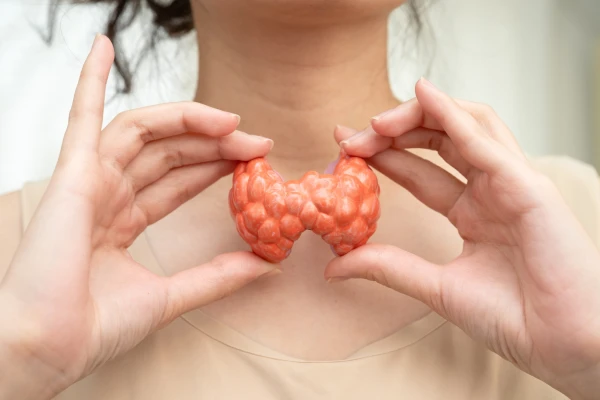
Selenium-dependent enzymes that stimulate the production of thyroxine or T4, as most know it, are produced in the liver. Numerous holidays and a sedentary lifestyle for most people during the winter period invariably lead to a decrease in liver function — both detoxifying and regulating. As a result, a deficiency of thyroid hormones will lead to menstrual cycle disorders.
Spring Checkup
The female body is like a violin — it requires fine tuning and gentle handling. A necessary condition for normal functioning and maintaining hormonal homeostasis is a balance of vitamins, trace elements, proteins, and fats. Therefore, during the spring period, which sometimes tests our resilience, it is important to identify deficiencies in a timely manner.
A spring checkup should include determining the levels of serum iron, ferritin, transferrin, vitamin D, omega-3 index, selenium, copper, zinc, protein, and its fractions. It should be done as early as March — correcting deficiencies usually takes at least a month. Remember that menstrual cycle disorders are a complex deviation in a woman's reproductive health and always require a doctor's consultation.
To prevent spring disorders, it is important for women to eat a balanced diet. There should be no restrictions on proteins and fats, but carbohydrates should be approached with caution: they reduce progesterone production. Preventive intake of vitamins during the transitional period is also important. Using minimal doses does not require laboratory assessment. And a full sleep and sufficient physical activity will help maintain the circadian rhythm of hormone production.













Leave a comment