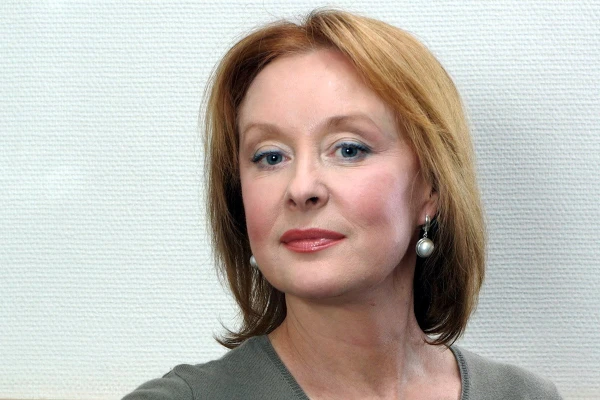
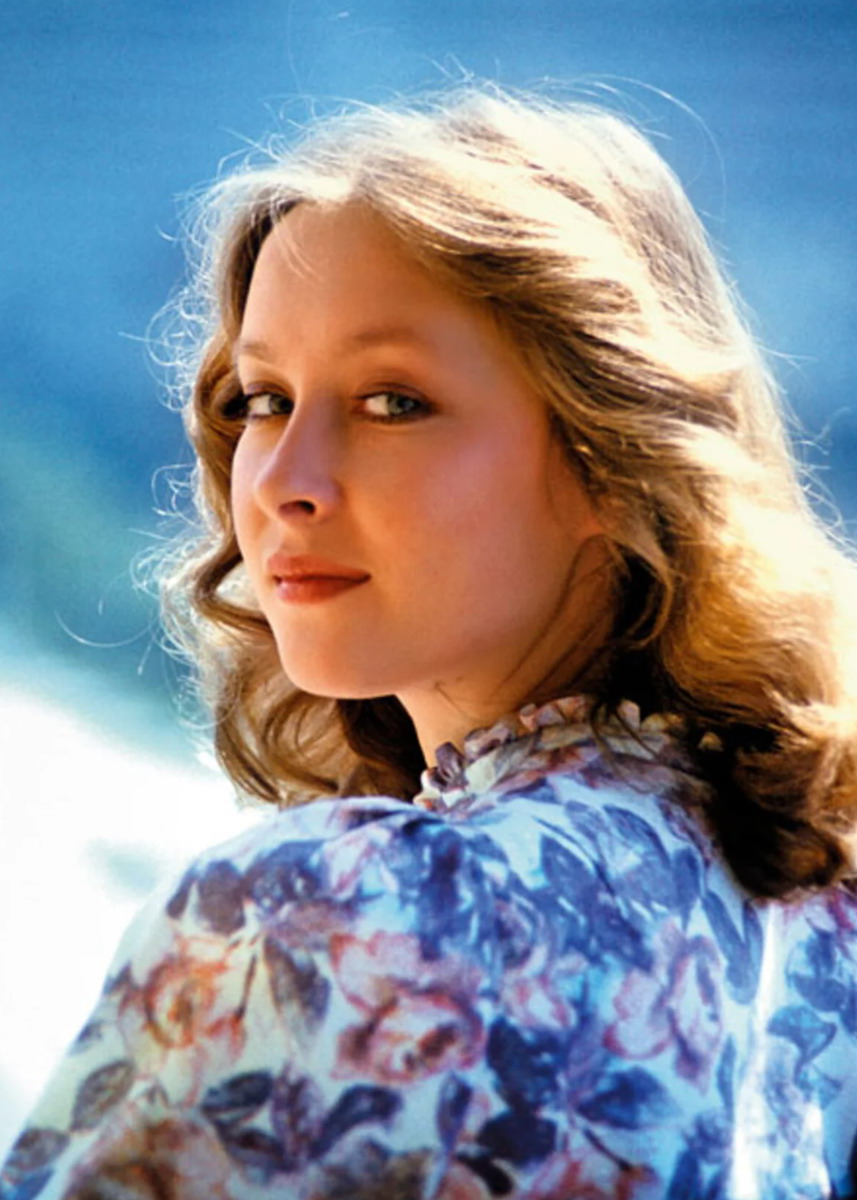
Larisa Udovichenko has appeared in more than a hundred films and TV series, but the brightest and most memorable role for millions of viewers was that of Manka-Obligatsiya in the cult detective "The Meeting Place Cannot Be Changed." This image brought the young actress nationwide fame and became a powerful start to her career.
Interestingly, Udovichenko was initially offered a completely different role — that of the modest and proper Varya Sinichkina, Sharapov's beloved. However, the actress found this image too "proper" and devoid of character. She insisted on playing the bold and liberated Manka. Director Stanislav Govorukhin initially tried other actresses for this role, but none could convey the necessary energy.
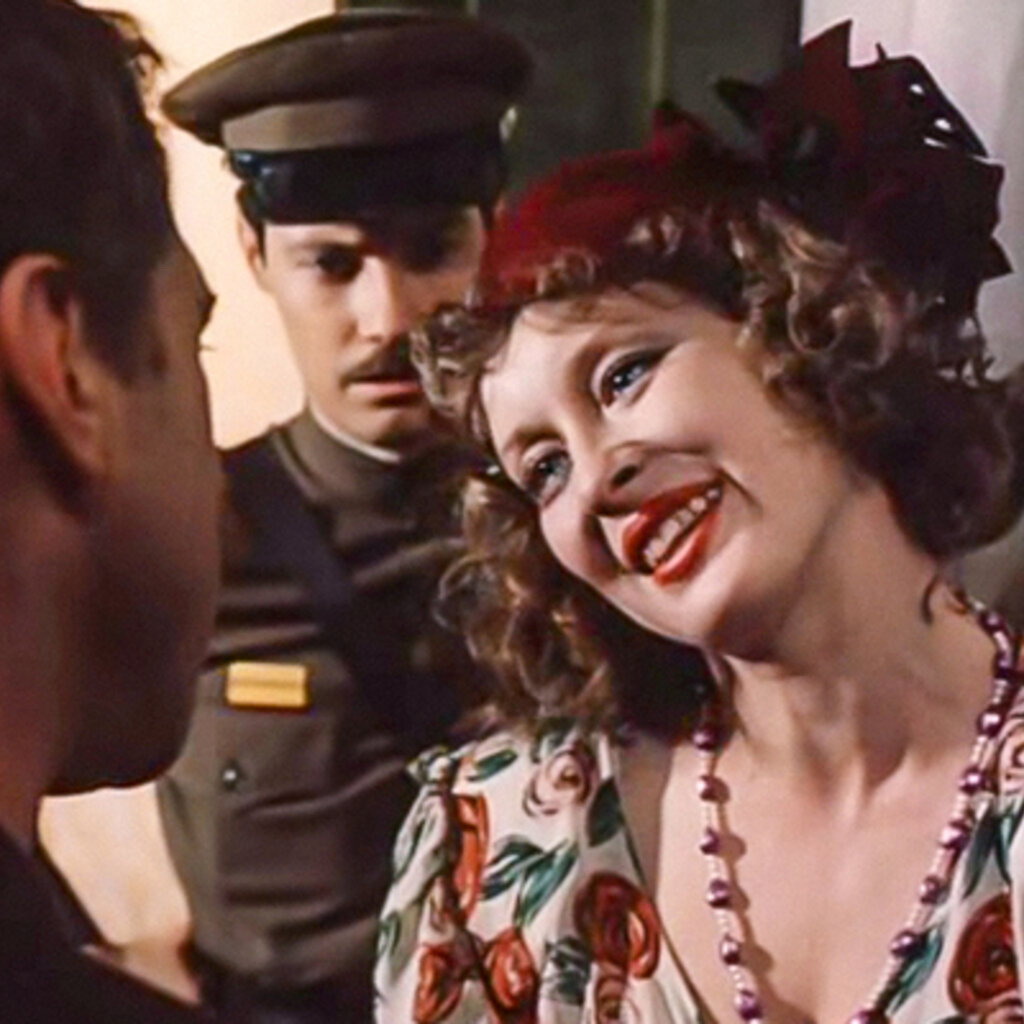
Ultimately, it was Udovichenko who embodied the image of Maria Kolovanova — Manka-Obligatsiya — with the brightness and charisma that made the character iconic. Her appearance, mannerisms, and even lines quickly became quotable: "Obligatsiya or Obligation?", "Don't mess with me, trash!", "It's outrageous, they won't let me finish conservatory!" and many others.
Childhood and Path to the Stage
The future actress was born on April 29, 1955, in Vienna, where her father, military doctor Ivan Nikolaevich, was serving at the time. The family already had an older daughter, Yana. Her mother, Muza Alexeyevna, was from Leningrad, studied at a theater institute, but during the war had to leave her studies and work as a caregiver.
The story of her parents' meeting was almost cinematic: they met during the blockade when children were evacuated via the "Road of Life." Ivan fell in love with Muza at first sight, and after returning from the front, he married her.
In 1962, the family moved to Odessa, where Larisa spent her childhood. Even then, she firmly decided that she would become an actress. Her parents instilled a love for art, literature, and music in their daughters.
At school, Larisa was active, did well academically, practiced rhythmic gymnastics, and participated in amateur performances. However, when it came time to choose a profession, she chose acting without hesitation and enrolled in the People's Actor Studio at the Odessa Film Studio.
First Roles and Move to Moscow
As a teenager, Udovichenko caught the attention of director Alexander Pavlovsky, who invited her for a small role in the film "Happy Kukushkin." This marked the beginning of her screen biography. She then appeared in the films "Yulka" and "Daughters-Mothers," where she played more serious roles.
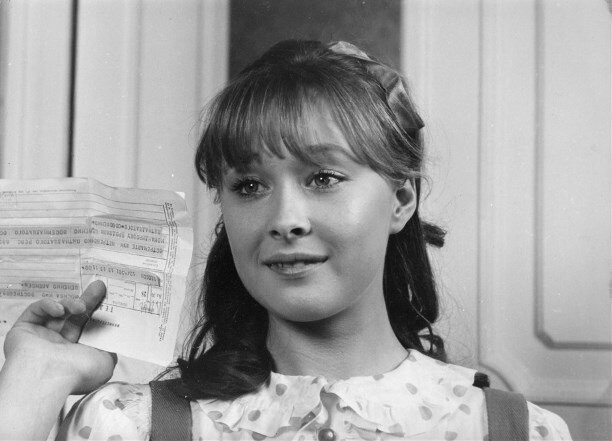
Schoolgirl Larisa Udovichenko in the film "Yulka".
After school, Larisa moved to Moscow and enrolled in VGIK in the course of Tamara Makarova and Sergey Gerasimov. The move was not easy: after sunny Odessa, the capital seemed cold and foreign. She wrote letters home, complaining of homesickness, and even considered returning. But soon everything changed — offers in cinema began to come in, and her career started to develop rapidly.
First Marriage — For Registration
In those years, life in Moscow was impossible without registration. On the advice of a teacher, Larisa entered into a sham marriage with director Alexander Pankratov-Bely, who was 11 years older than her. He helped her with registration, after which the marriage was dissolved.
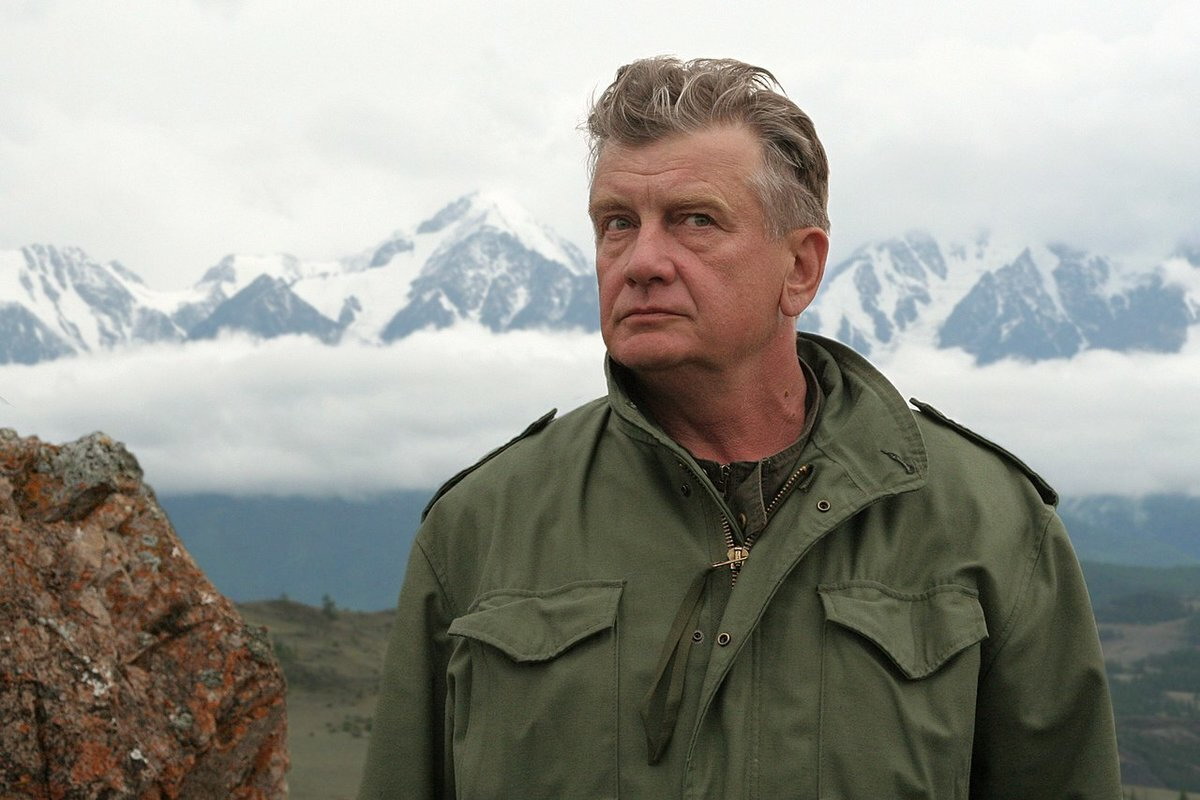
Alexander Pankratov-Bely.
It was said that Pankratov-Bely had genuine feelings for the young actress and hoped for reciprocity, but for Larisa, it was purely a formal union.
Second Marriage — Jealousy and Separation
The actress's second husband was director Andrei Eshpai. Their relationship began against the backdrop of both of their career growth, but over time, problems arose in the marriage. Udovichenko received a lot of attention from colleagues and fans, which caused her husband to feel intense jealousy.
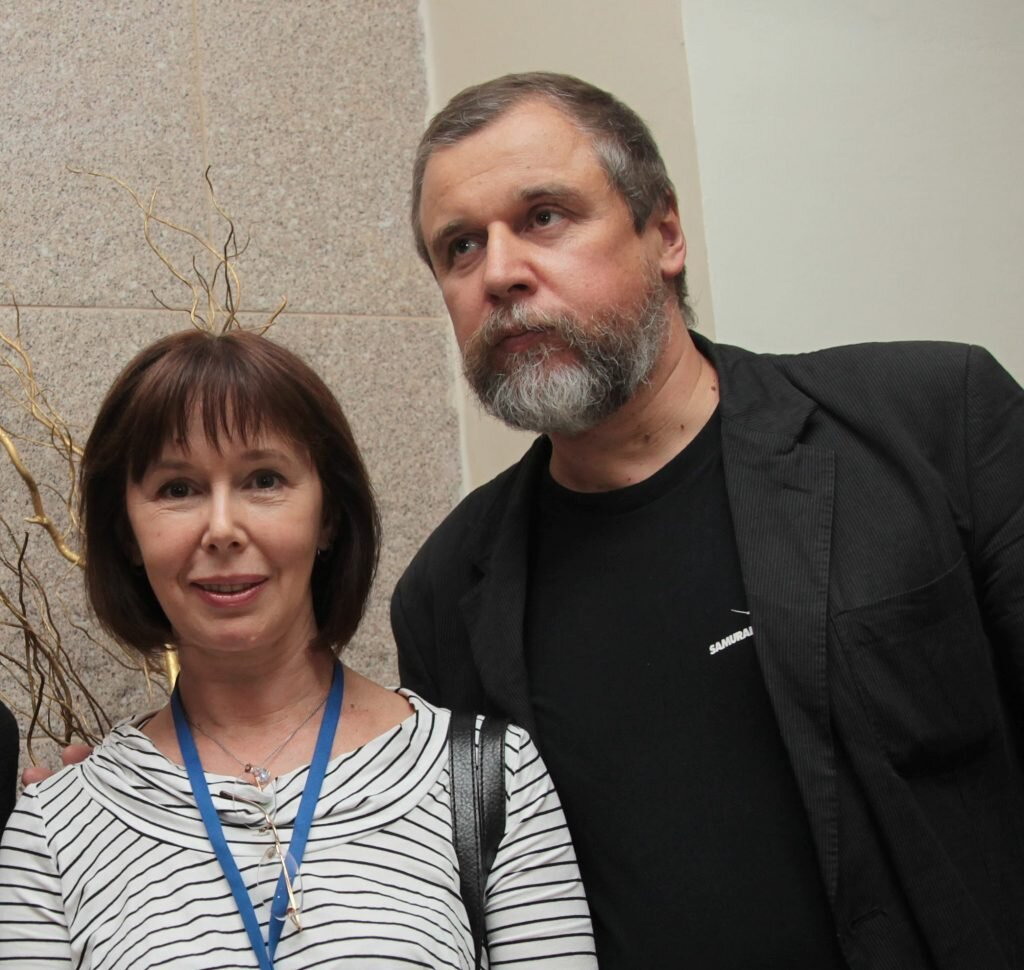
Evgenia Simonova and Andrei Eshpai.
Ultimately, this became the reason for their breakup. Eshpai left, leaving Larisa the apartment. Despite the divorce, the former spouses maintained a respectful relationship, and the actress always spoke of him warmly.
Third Marriage — Love, Illusions, and Trials
The most challenging was the third union — with pianist and entrepreneur Gennady Bolgarin. They met in the early 80s, and mutual affection arose immediately. Bolgarin was married and raising a son, but this did not stop the development of their relationship.
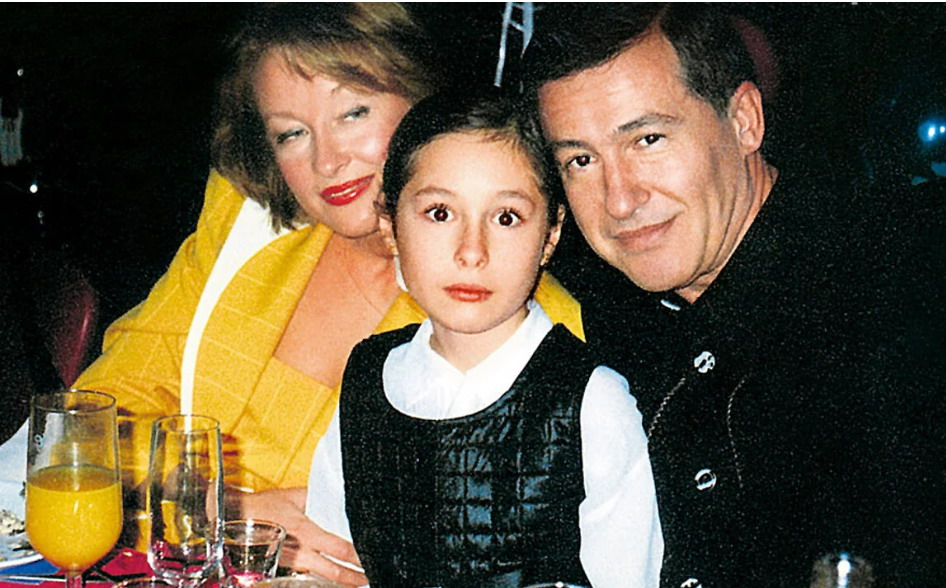
With her husband and daughter.
The romance developed rapidly: meetings, joint dinners, trips. Larisa turned out to be not only a bright actress but also a warm and homely person. Soon Bolgarin divorced, and the couple began living together.
In 1988, they had a daughter, Maria, after which they officially formalized their relationship. Their home became a center of social and creative life: they hosted famous actors, directors, and musicians, and life seemed vibrant and happy.
However, the idyll did not last long. Over time, problems began — in particular, Bolgarin became addicted to gambling. He lost large sums, which seriously impacted the family’s well-being.
Larisa tried to save the family for the sake of their daughter: she talked to her husband, convinced him to change his lifestyle, and even tried to help him cope with his addiction. But the situation only worsened.
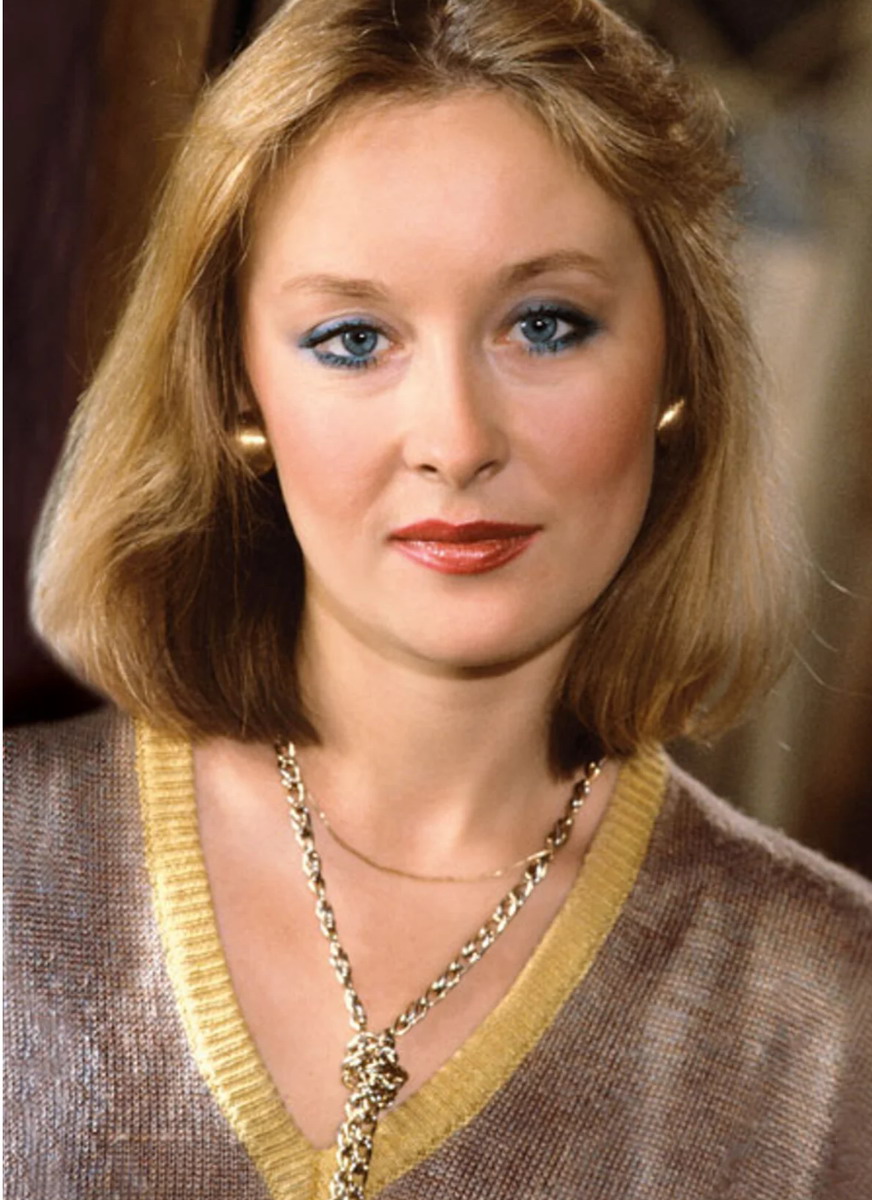
The critical point came with a significant loss, after which Bolgarin found himself in debt and, hiding from creditors, disappeared. The actress began receiving threats demanding repayment. Fearing for her daughter's safety, Udovichenko sent her to Odessa, filed for divorce, and completely severed ties with her husband.
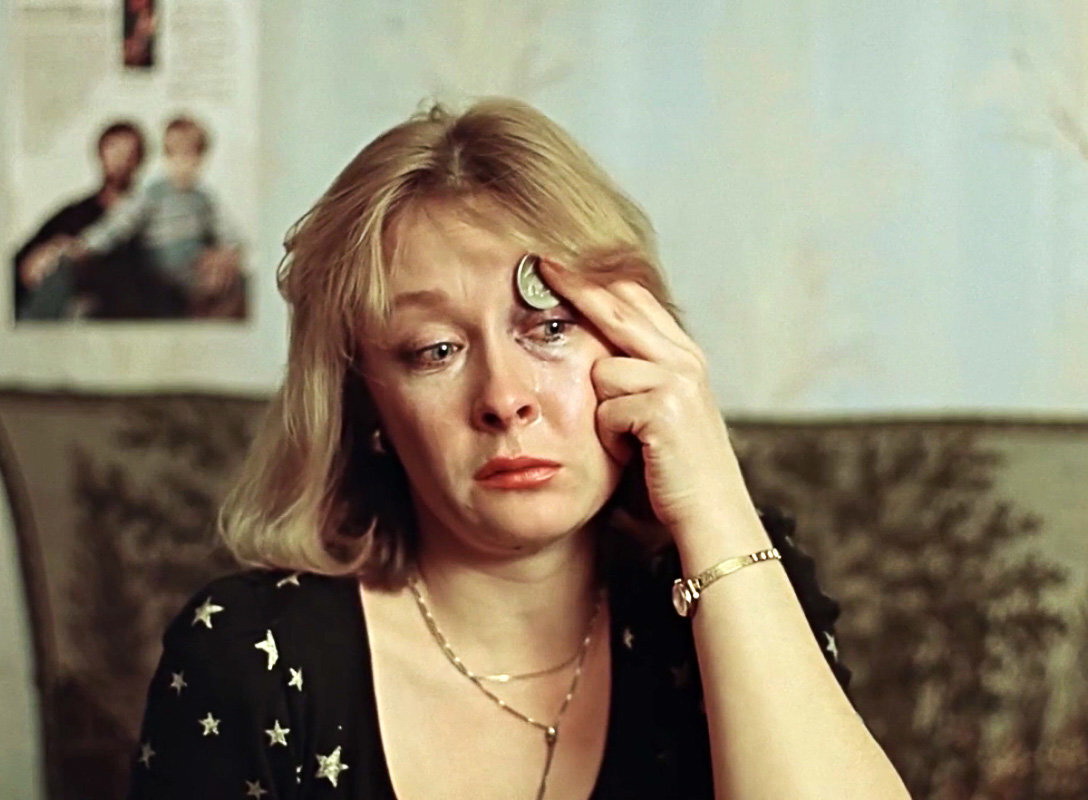
A scene from the film "Winter Cherry".
Life After
After the events she experienced, the actress focused on work and raising her daughter. She admits that Maria became the closest and most important person to her.
Today, Larisa Udovichenko leads a private life, rarely appearing at social events and almost never speaking about her personal life. Perhaps it was her difficult life experience that made her distance herself from unnecessary attention.
Nevertheless, her creative legacy remains significant, and her roles are still beloved by audiences of different generations.