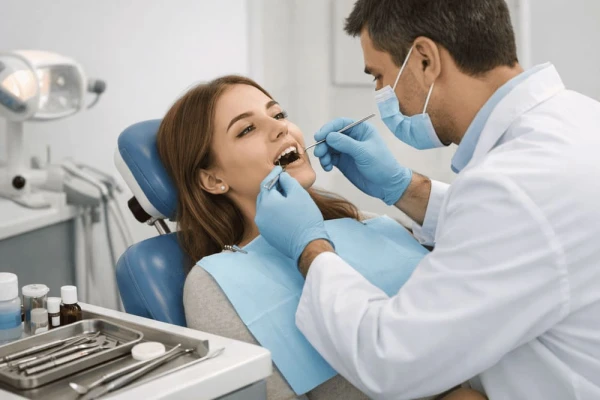
Diabetes, osteoporosis, anemia, and gastrointestinal diseases can be identified by the condition of the oral cavity, said dentist Tatyana Pikilidi.
About 90% of systemic diseases manifest in one way or another in the mouth, and often it is the dentist who first notices alarming signs. One common example is diabetes mellitus and other endocrine disorders. A patient aged 30–35 may come in with aggressive, rapidly progressing periodontitis: teeth become loose, gums bleed, and purulent pockets appear. In such cases, standard treatment provides only temporary relief. Patients are then referred for tests, and type 2 diabetes is often discovered, of which they were previously unaware.
Thyroid problems frequently manifest as pronounced dryness in the mouth — xerostomia. Due to a lack of saliva, teeth begin to decay significantly faster, leading to multiple cavities, especially in the cervical area. Gastrointestinal diseases are also directly related to the condition of the oral cavity, as they are parts of one system.
According to Pikilidi, for example, gastroesophageal reflux disease leads to regular regurgitation of acidic stomach contents into the esophagus. This causes enamel erosion: it thins and wears away, especially on the inner sides of the upper teeth. Patients complain of sensitivity but rarely associate it with heartburn.
Chronic gastritis and dysbiosis reflect on the condition of the tongue: it may be covered with a thick coating and have cracks. Deficiency states and blood diseases can also be easily recognized by the mucosa. In iron deficiency anemia, it becomes pale and dry, and the tongue appears smooth and shiny, like lacquered. Symptoms such as burning, tingling, and taste disturbances occur. Vitamin B group deficiencies, especially B12, produce similar symptoms and may be accompanied by angular cheilitis.
The doctor noted that special attention is paid to blood clotting disorders and diseases such as leukemia. Alarming signs include spontaneous bleeding on the mucosa, bruises on the gums or palate without an apparent cause, as well as prolonged bleeding even after minimal trauma, such as tooth brushing.
Osteoporosis can also be noticed during a dental appointment. A panoramic X-ray shows not only the condition of the teeth but also the density of the bone tissue. Bone thinning, cortical layer thinning of the mandible — is a reason to suspect a problem, especially in postmenopausal women.
Autoimmune diseases often mask themselves as stomatitis. Lupus erythematosus and scleroderma may manifest as white reticular patterns on the mucosa of the cheeks and palate, as well as poorly healing erosions. Sometimes rarer conditions are encountered. For example, gout may present as whitish nodules on the mucosa. In children, enamel anomalies may indicate hidden syndromes associated with bone fragility.