
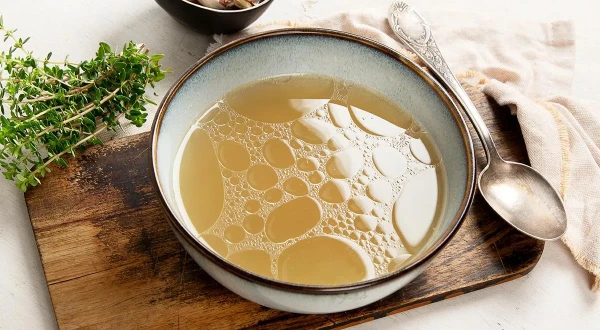
Even from quality meat, soup can sometimes turn out too "empty" and watery. Chefs note that the richness of the broth depends not only on the ingredients but also on the cooking technique. A few simple techniques can significantly enhance the aroma and depth of flavor.
Preliminary Searing of Ingredients
The first method is to lightly sear the meat or bones before boiling. When the ingredients are heated to a golden crust, a caramelization reaction occurs, enhancing the flavor and aroma of the future broth.
Thanks to this technique, the liquid becomes richer and denser in taste, rather than just resembling hot water with a meaty hint.
Choosing the Right Meat
The second important factor is the quality and composition of the ingredients. Chefs recommend using fresh meat and not avoiding a small amount of fat. It is the fat that gives the broth fullness of flavor and a characteristic homemade aroma.
If the meat is too lean, the broth may turn out "empty" and watery. Additional depth of flavor is also provided by collagen-rich bones.
Slow Cooking
The third technique is to cook the broth without vigorous boiling. The optimal option is slow simmering over low heat.
With gradual heating, the meat, vegetables, and spices have time to slowly release their flavors into the liquid, resulting in a soft, aromatic, and harmonious broth.
Chefs also recommend adding aromatic ingredients—bay leaf, onion, carrot, or peppercorns—that enhance the flavor base of the dish.
...A rich broth is not a coincidence. The secret lies in three simple rules: preliminary searing of meat or bones, the right choice of ingredients, and long cooking over low heat. These techniques allow for the creation of a fragrant base for soup that won’t need to be "rescued" with additional spices at the table.













Leave a comment