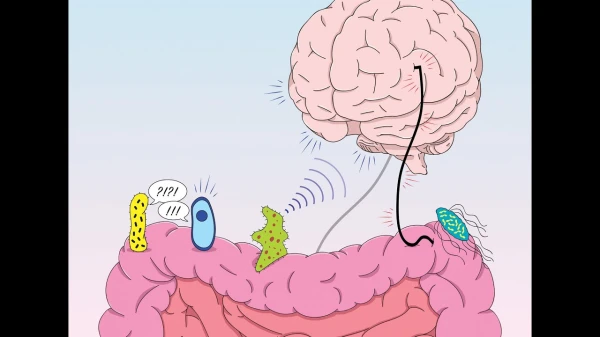
Cravings for sweets in the evenings or an irresistible desire to snack on unhealthy food are familiar to many. We tend to think that such habits are solely related to willpower. However, scientists are increasingly talking about another reason — the gut microbiome. Research shows that the microorganisms living in the body can influence not only digestion but also appetite, mood, and food choices.
Microbiome and Eating Habits
The gut microbiome is a complex ecosystem of trillions of bacteria. The more diverse this microbial world is, the better the body can maintain a healthy metabolism and balanced appetite. A decrease in bacterial diversity, on the other hand, is often associated with unhealthy eating habits and excess weight.
Some microorganisms actively multiply when they regularly receive "suitable" food — for example, sweets or processed foods. Over time, such bacteria can become dominant and influence cravings for certain foods, as well as a person's mood and behavior, through the gut-brain connection.
Continuous Dialogue Between the Gut and the Brain
The gut and the brain are closely interconnected. They constantly exchange signals through a network of nerves, hormones, and chemicals that scientists refer to as the "gut-brain axis." This system influences not only the processes of digestion but also appetite, emotions, and overall well-being.
When the microbiome is balanced, the body regulates hunger and satiety hormones more easily. Additionally, gut bacteria are involved in the production of neurotransmitters, such as serotonin, which affects mood.
When the balance of microbes is disrupted, changes can occur in the signals sent to the brain. For example, the production of the hormone ghrelin, which enhances the feeling of hunger, may increase, or cravings for sweet foods may arise. As a result, a kind of vicious circle forms: what a person eats affects the composition of the microbiome, and the microbiome, in turn, influences food choices.
How to Maintain Microbiome Balance
The gut microbiome constantly changes depending on our diet. This means that nutrition can significantly affect the composition of bacteria.
A diet rich in fiber and plant-based foods is considered most beneficial. Vegetables, fruits, whole grains, legumes, and fermented foods provide nourishment for various types of beneficial bacteria and help maintain microbiome diversity.
At the same time, an excess of added sugars, highly processed foods, saturated fats, and frequent use of antibiotics can negatively impact microbial balance.
How Quickly the Microbiome Responds to Changes
Experts note that the microbiome is a dynamic system and can respond quite quickly to changes in diet. Studies show that the first changes in the composition of bacteria can occur just a few days after adjusting the diet.
For example, switching from processed foods to a diet rich in fiber and plant-based products can promote the growth of microbial diversity and the activity of beneficial strains. However, more stable changes usually form over several weeks or months.
In addition to diet, sleep, physical activity, and stress levels also affect the microbiome. Therefore, a healthy lifestyle overall helps maintain the balance of gut bacteria and positively impacts digestion, metabolism, and overall well-being.
If necessary, probiotics, prebiotics, or synbiotics can be used to support the microbiome. They help restore the balance of beneficial bacteria, especially after taking antibiotics or in cases of digestive issues. In some cases, doctors also recommend enzyme preparations or fiber supplements that promote improved digestive system function.