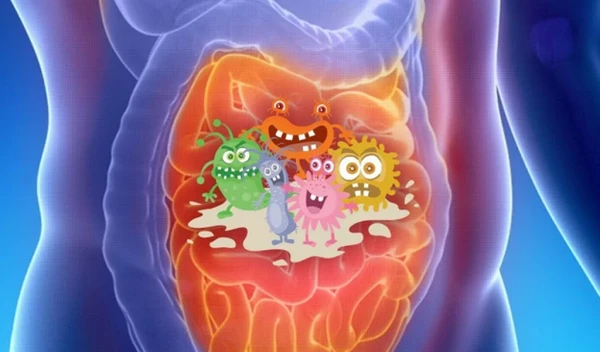
Gases are a natural part of digestion, but their smell, sound, and frequency can tell you much more than you think. By learning to pay attention to these details, you can notice alarming symptoms in time and understand what is wrong with your body.
Gas formation is a process that occurs in the intestines as a result of food digestion. Most gases are odorless, but sometimes their smell can become quite sharp and unpleasant. What this might mean for health and when to be concerned is explained by experts from Eating Well.
Why We Do “It”
Gas formation is the result of intestinal bacteria processing food. This is a natural process, and gases are a byproduct. However, if the smell, sound, or frequency of gases changes, it may be a sign of disorders.
Smell: What It Can Tell You
The smell of gases depends on what you ate and the composition of the gut microbiota. In most cases, the smell of gases is weak; however, sometimes it can be persistent and unpleasant. It is important to pay attention if:
- the smell becomes sharp or unusually strong;
- gas formation is accompanied by bloating, diarrhea, or constipation.
These symptoms may indicate issues such as:
- carbohydrate intolerance;
- SIBO (small intestinal bacterial overgrowth);
- microbiome disruption.
Sound: When Volume Matters
The volume of gas typically does not indicate health problems. The sound depends on the amount of gas, the speed of its release, and muscle tension. However, if gases are often accompanied by discomfort or pain, it may be related to constipation, pelvic floor muscle tension, or hemorrhoids. In any case, the sound itself is more of a mechanical phenomenon than a sign of disease.
Frequency: When Too Often Is a Cause for Concern
Normally, gas formation occurs several times a day, and the amount can reach 20 times. Increased frequency may be caused by certain foods, such as legumes, whole grains, or foods high in FODMAP (fermentable oligosaccharides, disaccharides, monosaccharides, and polyols). It can also occur due to lactose, fructose, or an increase in fiber in the diet.
If the increase in fiber does not cause problems within 2–6 weeks, the body should adapt. However, if gases are accompanied by diarrhea, weight loss, or persistent pain, this signals the need to see a doctor.
Abdominal Sensations: When Pain Is Not Normal
Mild discomfort is normal, but pain is not. Pay attention to the following symptoms:
- abdominal cramps;
- the feeling of “trapped” gas;
- severe pressure or pain.
These symptoms may indicate slow digestion, increased intestinal sensitivity, or intolerance to certain foods.
When to See a Doctor
If you notice the following symptoms, it may be a sign of more serious problems:
- blood in the stool (bright red or dark);
- worsening symptoms;
- regular pain during gas formation;
- unintentional weight loss or loss of appetite;
- sharp changes in usual gas formation patterns.
Gas formation is a natural process that should not cause shame. However, if it is accompanied by unpleasant symptoms, it is worth listening to the body's signals and consulting a doctor. It is important to remember that taking care of your health starts with paying attention even to those topics that are often not discussed openly.