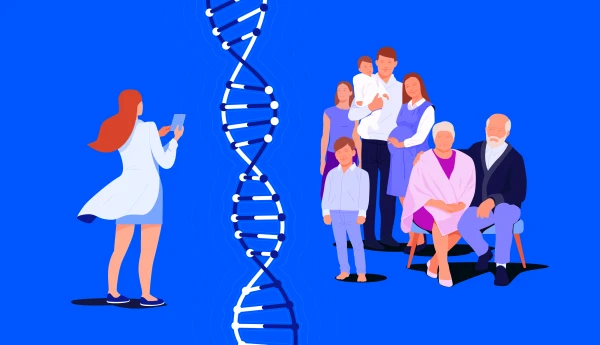
Genes influence not only appearance or blood type but also the likelihood of developing serious diseases. The expert explained how to identify genetic risks and reduce them through preventive measures and a healthy lifestyle.
Expert: Oleg Shvets, nutritionist
The Influence of Genes on Health
Humans have about 20,000 genes that determine the functioning of the body, its development, and adaptation to the environment. Many diseases have genetic associations, including cardiovascular diseases, diabetes, oncological and autoimmune pathologies.
Some diseases are almost entirely caused by hereditary mutations or pathogenic variants of genes. They lead to the development of genetic diseases that cannot be transmitted through the environment or lifestyle.
"Analyzing family history allows us to identify an increased risk of diseases that have occurred in relatives. In some cases, this is grounds for genetic testing or preventive measures," noted Shvets.
How to Prevent Hereditary Diseases
Genes do not fully determine the future. Many diseases are formed under the influence of both hereditary factors and external ones — nutrition, physical activity, smoking, and exposure to chemicals.
Even with unfavorable heredity, maintaining a healthy lifestyle can significantly reduce the risks of diseases, including autoimmune diseases, oncological pathologies, and mental disorders.
How to Gather Family Medical History
It is important to consider information about the health of relatives of different degrees of kinship:
- First degree: parents, full siblings, children
- Second degree: half-siblings, grandparents, aunts and uncles, nieces and nephews, grandchildren
- Third degree: cousins, aunts and uncles, great-grandparents, great-grandchildren
It is necessary to record the age of relatives, the age at which the diagnosis was made, and the presence of any diseases or past illnesses. Special attention is given to cardiovascular problems at a young age, oncology, diabetes, and hereditary syndromes.
"Family health history is a simple yet extremely valuable tool for assessing risk. Genes cannot be changed, but behaviors that influence the realization of this risk can be changed," emphasized Shvets.