Many dishes that today cost a fortune in restaurants and are considered symbols of gastronomic sophistication were once food for the poor. Historians and culinary experts note that changes in the availability of products, cultural preferences, and culinary aesthetics have led to once simple and accessible food becoming elite.
Caviar
In the 19th century, salted fish and caviar from freshwater fish were often eaten by workers and even given away for free to bar patrons in the United States. In Russia, the abundance of sturgeon made caviar accessible food for the common people. However, the sharp decline in fish stocks due to overfishing and river pollution made caviar a rarity and a luxury item in elite establishments. Today, a jar of quality caviar costs as much as a full dinner in a restaurant.
Oysters
In the 19th century, oysters were incredibly common on the streets of New York and London and were considered cheap and filling street food for the working class. They were sold from carts for mere pennies and added to soups and pies as an inexpensive source of protein. Over time, industrialization, water pollution, and intensive harvesting made these mollusks rare, and today they are served as a symbol of haute cuisine.
Lobsters
Once, lobsters were so abundant on the North American coast that they were considered "sea insects" and used as fertilizer or animal feed. In several American states, it was officially restricted to feed prisoners lobsters more than twice a week, as it was deemed too "cruel." However, with the development of rail transport, canning, and culinary innovations, lobsters became a delicacy of world cuisine and a subject of haute gastronomy.
Bluefin Tuna
Today, bluefin tuna is one of the most expensive types of fish at auctions and in Japanese restaurants, especially in the form of sashimi and sushi. However, in the early 20th century, Japanese fishermen considered this fish low-grade due to its high fat content and unpleasant smell when improperly stored, often throwing it away or giving it to animals. Only with the advent of modern refrigeration technology and changing tastes did tuna come to be valued for its rich flavor and texture.
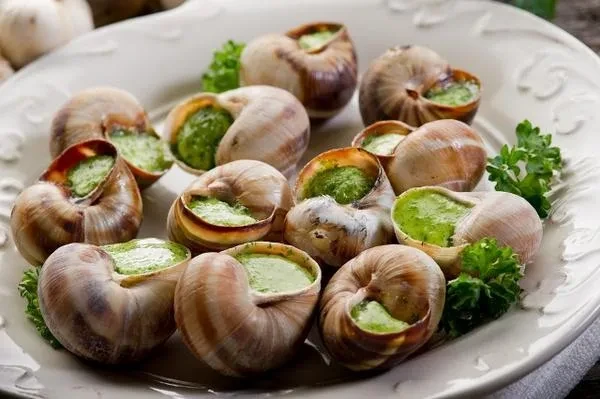
Escargot (Snails)
French snails, which today are associated with gourmet cuisine, were once a common source of protein for peasants during times of famine and especially during Lent when the church allowed them to be eaten as "not meat." They were simply boiled with onions and herbs, and only later, thanks to a famous chef of the 19th century, did they gain the status of a delicacy in elite circles.
...The evolution of tastes and the social context of eating show that the history of dishes is often more complex than it seems. Many products originally emerged as simple, accessible food for the poor and needy, and today they are part of elite restaurant menus and valued by gourmets for their uniqueness, rarity, and taste qualities. The transformation of such dishes reflects cultural, technological, and economic changes in society.