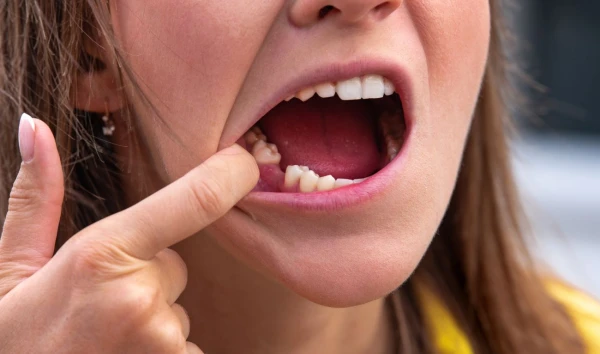
A lost tooth must be restored as soon as possible, ideally within the first three to four months, otherwise, bone tissue atrophy and even headaches will begin, said dentist Tatyana Pikilidi.
It is essential to restore a lost tooth as soon as possible — ideally within the first three to four months after extraction. Delaying prosthetics initiates a chain of irreversible changes throughout the dental system. One of the key issues is the atrophy of bone tissue.
The bone at the site of the extracted tooth loses its natural chewing load and begins to resorb rapidly. Within four to six months, the deficiency of bone volume can become so significant that an expensive bone grafting surgery will be required for implant placement.
According to the dentist, another consequence is the shifting of neighboring teeth and disruption of the bite. Nature does not tolerate emptiness: teeth begin to tilt toward the free space, while the opposing tooth from the opposite jaw moves forward. This leads to overloading of the dental arches, loosening of teeth, and the formation of a pathological bite that is difficult and time-consuming to correct. Additionally, the risk of temporomandibular joint diseases increases. Pain, headaches, and limited mouth opening may occur.
One should not forget about the aesthetic and functional problems as well. In the absence of molars, the corners of the lips drop, nasolabial folds deepen, and the face takes on a more aged appearance. The loss of front teeth affects diction and appearance. Furthermore, the quality of food chewing deteriorates, which over time impacts the functioning of the gastrointestinal tract.