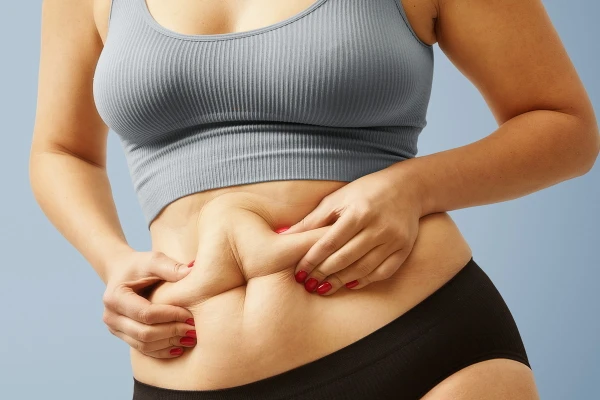
We often assess body shape by our reflection in the mirror, the numbers on the scale, or how our jeans fit. But the most dangerous fat is not visible to the eye at all — it hides deep inside and can affect health for years, remaining unnoticed.
Visceral fat is the fatty tissue that accumulates around internal organs: the liver, intestines, and pancreas. It is considered the most metabolically active and is associated with the risk of serious diseases. The good news is that its level can be influenced without strict diets and extreme sports — it is enough to reconsider a few everyday habits.
What Is Visceral Fat and Why Is It Dangerous
Unlike subcutaneous fat, which can be easily felt, visceral fat is located deeper and interacts directly with organs. Because of this, it affects hormonal balance and metabolism.
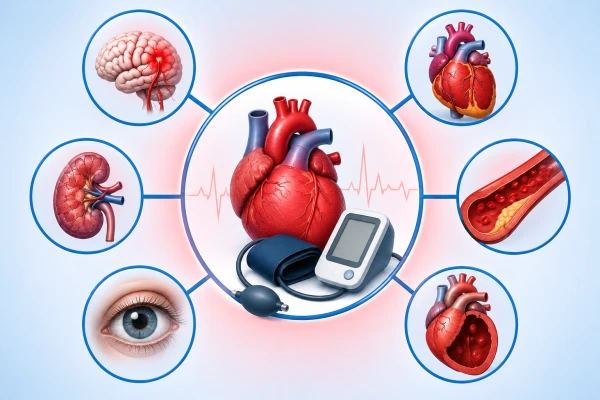
According to specialists, an excess of visceral fat increases the risk of insulin resistance, type II diabetes, fatty liver disease, and cardiovascular diseases. Moreover, it is particularly sensitive to lifestyle — sometimes small changes yield noticeable effects.
Habit #1: Sugary Drinks
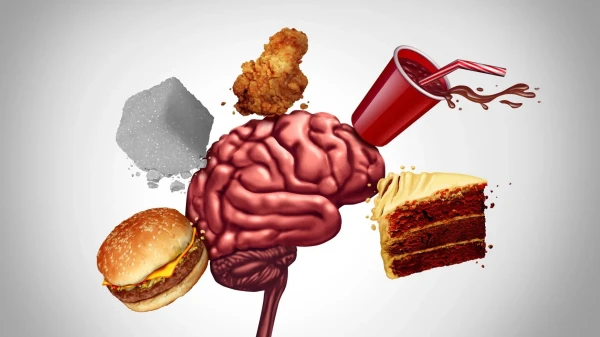
Soda, sweet tea, packaged juices, and coffee drinks with syrups are among the main factors contributing to the accumulation of visceral fat. They contain a lot of added sugar but provide almost no feeling of fullness.
When too much sugar is consumed, the liver begins to process it into fat. Over time, this process contributes to the accumulation of fatty tissue in the abdominal area.
What to Replace With: regular water, mineral water with a slice of lemon, herbal or unsweetened teas — simple alternatives that really work.
Habit #2: Chronic Stress
Constant tension forces the body to live in a state of anxiety. In response, cortisol levels rise — a hormone directly linked to fat deposition in the abdominal area.
Studies show that people with high stress levels often have more visceral fat regardless of weight and build.
What Helps: regular movement, walks, breathing practices, quality sleep, time without gadgets, and activities that bring pleasure without guilt.
Habit #3: Smoking
The myth that smoking helps to "maintain weight" has long been debunked. In practice, smokers often have elevated levels of visceral fat, even if they appear thin.
Nicotine affects hormonal balance and increases cortisol levels, causing fat to redistribute and accumulate around internal organs.
Important: quitting smoking is a step not only for the lungs and heart but also for normalizing metabolism.
Habit #4: Chronic Sleep Deprivation
Lack of sleep disrupts the balance of appetite hormones. Ghrelin (the hunger hormone) levels rise, while leptin (the satiety hormone) levels decrease. As a result, a person eats more and has poorer control over satiety.
This is compounded by increased cortisol, creating ideal conditions for the accumulation of visceral fat.
Optimal: 7–9 hours of sleep, a stable routine, and evening rituals that help the body relax.
What Else Really Helps
In addition to giving up bad habits, specialists recommend focusing on the basics:
- protein in every meal — for satiety and muscle support
- fiber (oats, legumes, fruits) — for stable blood sugar levels
- regular movement — a combination of cardio and strength training
- consistency instead of striving for perfection
Visceral fat is not visible, but its impact on health is quite tangible. And most often, it decreases not due to strict restrictions, but thanks to stable and realistic lifestyle changes.