
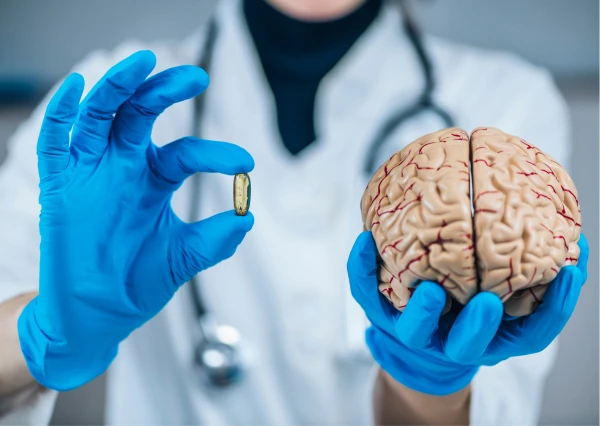
In medicine, the remarkable phenomenon known as the placebo effect is often encountered. Many have heard of 'sugar pills' or drugs without real therapeutic action, but not everyone understands how and why they help.
In this article, norma-media reports on what placebo is, how it works, where it is applied, and why sometimes a 'sugar pill' without effect works like medicine.
What is the Placebo Effect and How Does It Work
In the late 18th century, physician Elisha Perkins patented metal rods that 'pulled' inflammation from patients, particularly those with rheumatism. Later, physician and naturalist John Haygarth used wooden sticks to treat rheumatism, telling patients that he was using Perkins' unique invention. Thus began the remarkable story of the placebo effect.
Placebo is a substance or procedure without real therapeutic properties. Most often, placebo refers to a 'sugar pill' – a preparation that contains no active components. However, despite the lack of pharmacological effect, some people do feel better after taking such a pill.
In medicine, the placebo effect is an improvement in condition not related to the action of the drug but to the patient's belief in its effectiveness. When a person is confident that they are receiving real treatment, their brain can trigger self-regulation mechanisms: anxiety decreases, internal resources are activated, mood improves, and even pain diminishes.
The placebo effect is based on the power of expectation and trust in the physician. Our body is closely connected to the psyche, and sometimes belief in recovery becomes a powerful stimulus for initiating recovery processes and reducing symptoms. This is why placebo is widely used in medical research – it helps understand how important psychological support is in treatment.
Types of Placebo
-
Tablets and capsules without active substances. The most well-known option is a regular sugar pill without effect, which externally does not differ from real medicine.
-
Injections with saline solution. Instead of the real drug, a safe saline solution is administered to the patient.
-
Placebo procedures. Sometimes studies use simulations of medical procedures, such as injections or physiotherapy, which do not actually have any effect.
-
Placebo devices. These can be devices that do not work or are turned off, but the patient believes they are undergoing treatment.
Why Placebo Can Work Just Like Real Medicine
At first glance, it seems strange that a sugar pill can cause an improvement in well-being. However, the placebo effect is a real phenomenon, confirmed by numerous studies. The fact is that our brain is not fully understood, and we do not yet know how complex biochemical processes are triggered.
When a person believes they are receiving effective treatment, systems in their body responsible for producing endorphins and other neurotransmitters are activated. These substances can reduce pain, lower anxiety, and even influence immunity. Sometimes the placebo effect is so pronounced that it rivals the action of real drugs, especially when it comes to symptoms related to emotions and pain perception.
Moreover, trust in the physician, the atmosphere of care and support play a significant role. If a patient feels safe and confident in the success of treatment, their body responds more actively to any interventions, even if it is just a sugar pill.
Thus, placebo is not deception, but a manifestation of the power of the psyche and the body's internal resources, which can work alongside real medicines in certain situations.
Can Placebo Be Harmful
Although placebo is considered safe, in some cases it can cause harm. The main danger is when a patient receives a sugar pill instead of necessary real treatment. If a person refuses effective medications in favor of placebo, the disease may progress, and their condition may worsen.
Another risk is the so-called 'nocebo effect.' This is the flip side of placebo: if a patient believes that the drug will cause side effects, they may indeed feel worse, even if they received an ordinary pill without effect.
It is important to remember: placebo does not replace full treatment for serious illnesses. It can only be used under a doctor's supervision, most often within the framework of research or to provide support for mild ailments. Self-medication and refusal of prescribed medications in favor of a 'sugar pill' are unacceptable.
Placebo is a tool that should be used consciously and only in cases where nothing threatens the life and health of the patient.
Placebo in Research and Real Practice
Placebo plays an important role in modern medicine, especially in scientific research. In clinical trials of new drugs, so-called 'placebo-controlled' groups are often used. This means that some participants receive the real drug, while others receive a sugar pill.
This approach allows for an objective assessment of how effective the new drug is compared to the absence of active treatment.
Placebo helps scientists understand which effects are related to the action of the drug and which are related to the expectations and psychological mindset of the patient. This is important for developing truly effective and safe medications.
In real practice, placebo is sometimes used to support patients with mild ailments when serious treatment is not required, but it is important to reduce anxiety or improve well-being.
So, placebo is not just a 'pill without effect,' but a valuable tool for science and medicine that helps better understand the capabilities of the human body.










Leave a comment