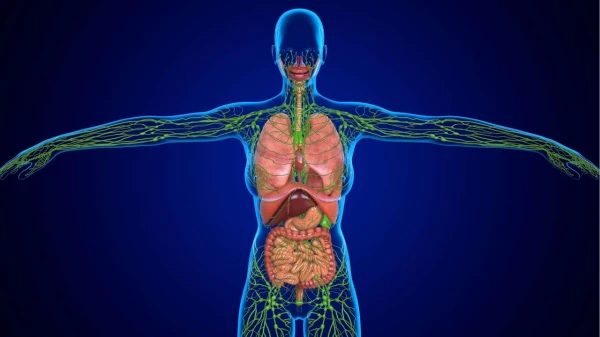
The lymphatic system is considered one of the key systems of the body responsible for fluid transport, immune protection, and the removal of metabolic waste. Specialists note that it is through lymph that microorganisms, cell fragments, and other substances that are not directly removed through the bloodstream are eliminated from the tissues.
Unlike the cardiovascular system, lymph does not have its own "engine." Its movement is facilitated by muscle contractions, breathing, and overall physical activity of a person. With a sedentary lifestyle and insufficient water intake, the circulation of lymphatic fluid can slow down, which, according to proponents of this theory, creates additional stress on other systems of the body.
Experts studying the lymphatic system point out that metabolic waste is eliminated through several pathways — through the skin, mucous membranes, and intestines. Sweat and secretions are seen as natural cleansing mechanisms, while mucus produced by the body is interpreted as a result of the immune system's protective responses. The role of the nasopharynx and tonsils as the first barrier against airborne infections is also emphasized.
To maintain the normal functioning of the lymphatic system, simple and well-known measures are most often recommended: regular physical activity, adequate intake of clean water, a balanced diet with an emphasis on vegetables and fruits, as well as a sensible approach to means that block sweating. Additionally, baths and saunas are mentioned as ways to temporarily enhance sweating and improve well-being.
At the same time, doctors emphasize that any claims about "deep cleansing" of the body should be viewed critically, and when persistent symptoms appear, it is important to consult specialists rather than rely solely on popular wellness practices.