
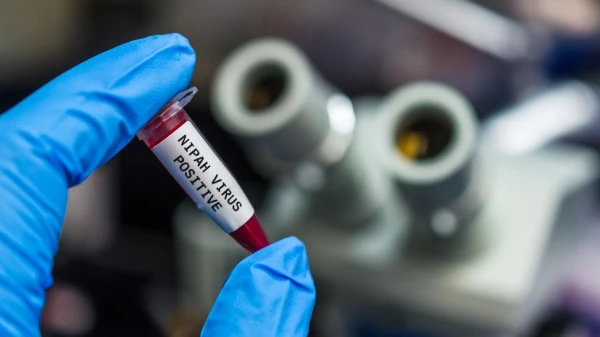
In Thailand, passengers from India are being tested for the Nipah virus at airports. Similar measures were taken before the onset of the coronavirus pandemic. Is there a chance that the scenario will repeat?
The outbreak of the Nipah virus began in a private Indian hospital in Kolkata, West Bengal. Two nurses fell ill. It was later revealed that they were infected by a patient. The infected individual died before the diagnosis was confirmed.
The deadly virus then continued to spread within the hospital. Currently, five cases of infection have been confirmed, including both medical staff and patients. It is known that two nurses are in critical condition.
In light of this alarming news, the Thai Ministry of Health announced that tourists from India will be tested for the virus at airports. The South Korean government has officially classified the Nipah virus as a first-class infectious disease (the highest level), allowing for rapid quarantine measures to be implemented.
How the Nipah Virus is Transmitted
The main carriers of the virus are fruit bats of the Pteropus genus, which live in India, as well as some other species of bats found in Cambodia, Ghana, Indonesia, Thailand, Madagascar, and the Philippines.
Additionally, transmission can occur from domestic animals. For instance, in 1998, the first outbreak of Nipah in Malaysia occurred when the virus was transmitted from bats to pigs, and then spread to humans who had contact with the livestock. Furthermore, the infection can affect dogs, cats, goats, horses, and sheep.
People often become infected by eating fruits contaminated with the saliva or feces of bats. However, the most concerning aspect is that the virus can also be transmitted from person to person through close contact, via contaminated objects, and through respiratory droplets.
"Close and direct unprotected contact with infected patients, especially those exhibiting respiratory symptoms, is considered a risk factor for transmission," warns the UK Health Security Agency.
Nipah Virus: Disease Prognosis and Treatment
The most serious complication of Nipah is inflammation of the brain or encephalitis, which often leads to death. The mortality rate from the virus is estimated to be between 40-75%. However, even those who survive may later suffer from seizures and other neurological consequences.
It has also been reported that in some individuals, the virus has recurred in the form of encephalitis months or even years after infection.
Currently, there is no vaccine against the infection, nor is there any proven specific treatment. This means that all doctors can do is provide symptomatic treatment with antiviral medications. The further outcome will largely depend on the individual's immunity.
Symptoms of the Virus
On average, the virus manifests itself 5-14 days after infection. Initially, it can be easily mistaken for a common cold: high fever, muscle pain, and headache. Later, symptoms such as dizziness, drowsiness, altered consciousness, and signs of encephalitis may appear. Some individuals may experience breathing problems, and atypical pneumonia may develop.
"In severe cases, encephalitis and seizures occur, progressing to coma within 24-48 hours," reports the WHO.
Advice for Travelers
Experts advise those traveling in South Asia to avoid contact with bats and their habitats. It is also better to avoid unnecessary contact with other animals.
Additionally, it is essential to wash fruits thoroughly and under no circumstances eat bitten or fallen fruits. Palm sap, whether raw or fermented, should be completely excluded from the diet.















Leave a comment