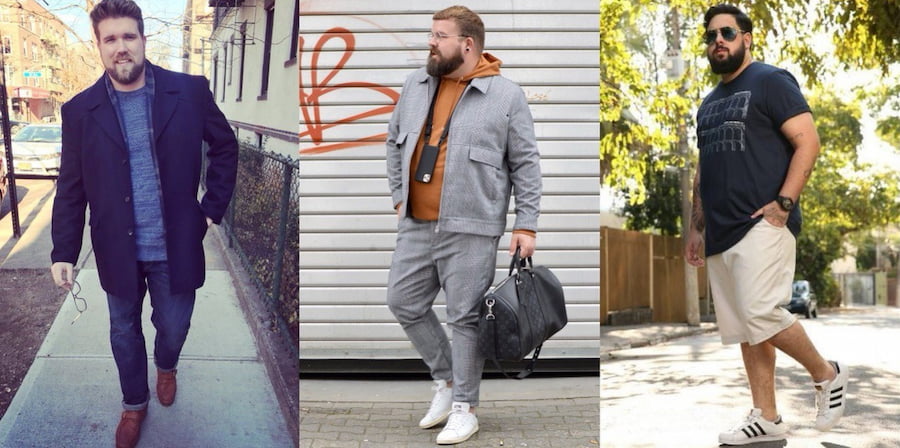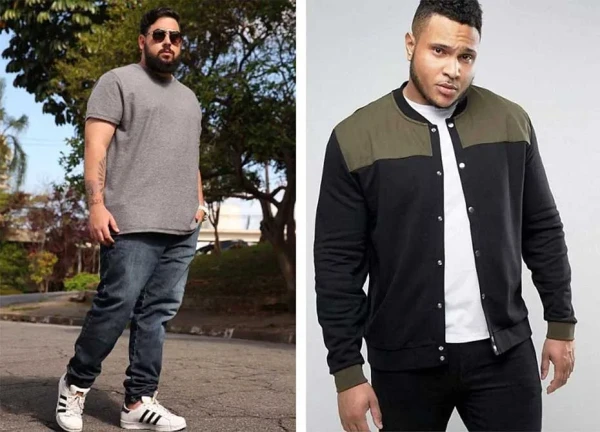
As men age, their figures change—and the appearance of roundness in the belly area occurs even among those who watch their diet and exercise regularly. The problem is not the belly itself, but that many continue to dress as if it doesn’t exist. This leads to clothing that does not hide flaws but accentuates them. That is why it is important to choose the right silhouettes, fabrics, and fits to look stylish and proportional.
The Main Principle: Fit is More Important than Size
The most common mistake is buying clothes one size smaller in hopes of "hiding" the belly or overly loose items that only visually increase the figure. The solution is the right fit: clothes should lay neatly on the body, not pulling tight on the belly or creating excess volume. Styles with relaxed or regular silhouettes handle this task perfectly—they provide structure to the outfit without creating unnecessary tension in the belly area.
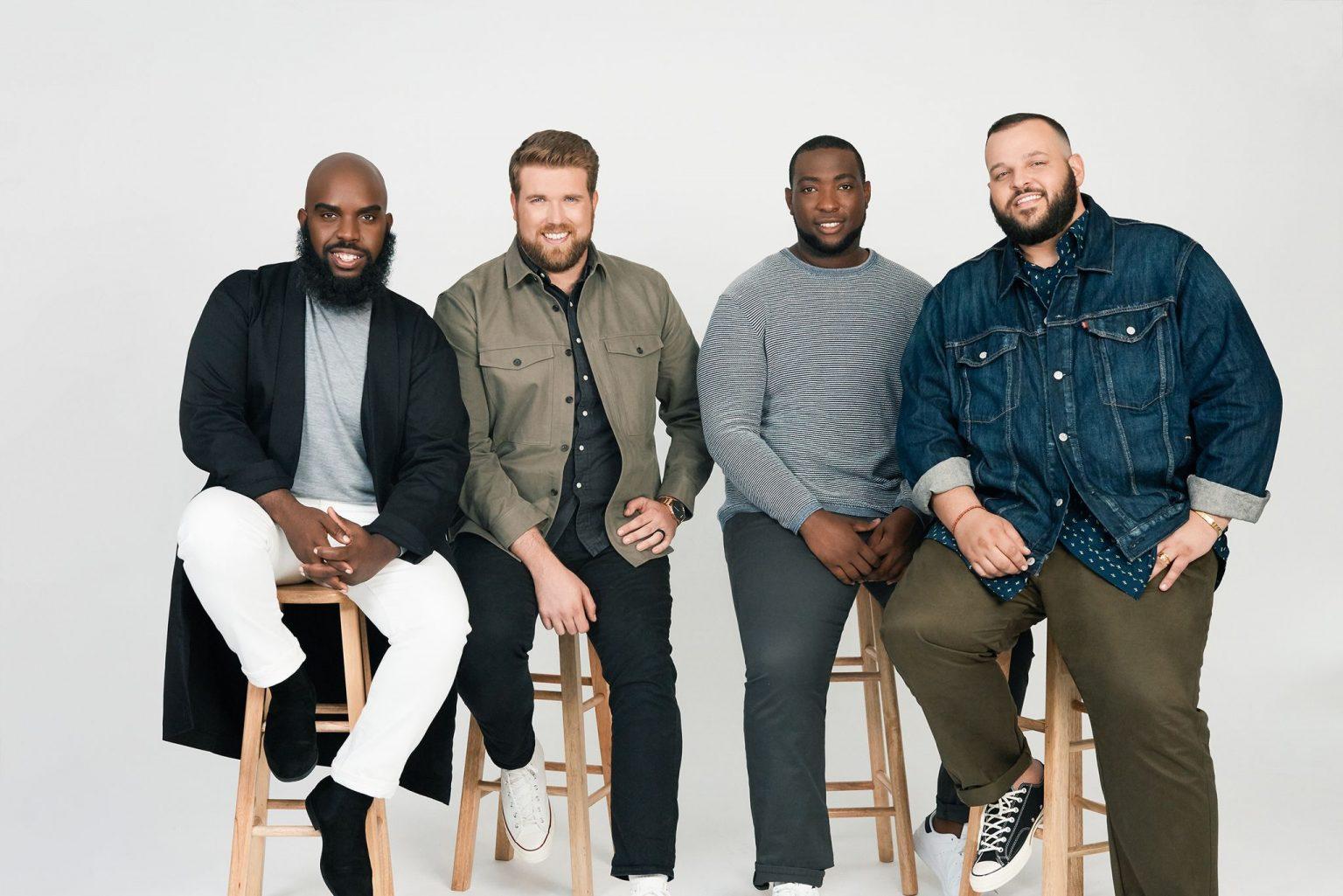
Top: Choosing Fabric, Silhouette, and Length
T-shirts and long sleeves should be selected from dense yet pleasant materials (for example, from thick cotton or blended fabrics). Too thin knitwear emphasizes the belly even with small shapes. The optimal length is when the bottom edge of the T-shirt covers the belt and ends just below the hip line: this helps balance the proportions.
Shirts can be an excellent option: models with vertical textures or narrow stripes visually elongate the silhouette. It is advisable to avoid heavily fitted styles—instead, straight or slightly loose shirts (straight or relaxed) are perfect.
Blazers and jackets with a clear shoulder line and mid-hip length help visually elongate the figure. It is not necessary to button the blazer at the waist level—this may emphasize the belly more.
Bottom: The Fit of Pants and Jeans is Critical
Low-rise bottoms are the worst choice: they literally "push" the belly forward. It is better to opt for models with a mid or slightly high rise, where the waistband sits at the natural waist level. Such pants create a more collected and neat silhouette.
As for styles, straight, relaxed, or neatly wide models with a clear hip line are an excellent choice, while skinny or ultra-tight jeans create too sharp a contrast between the top and bottom, drawing attention to the belly.
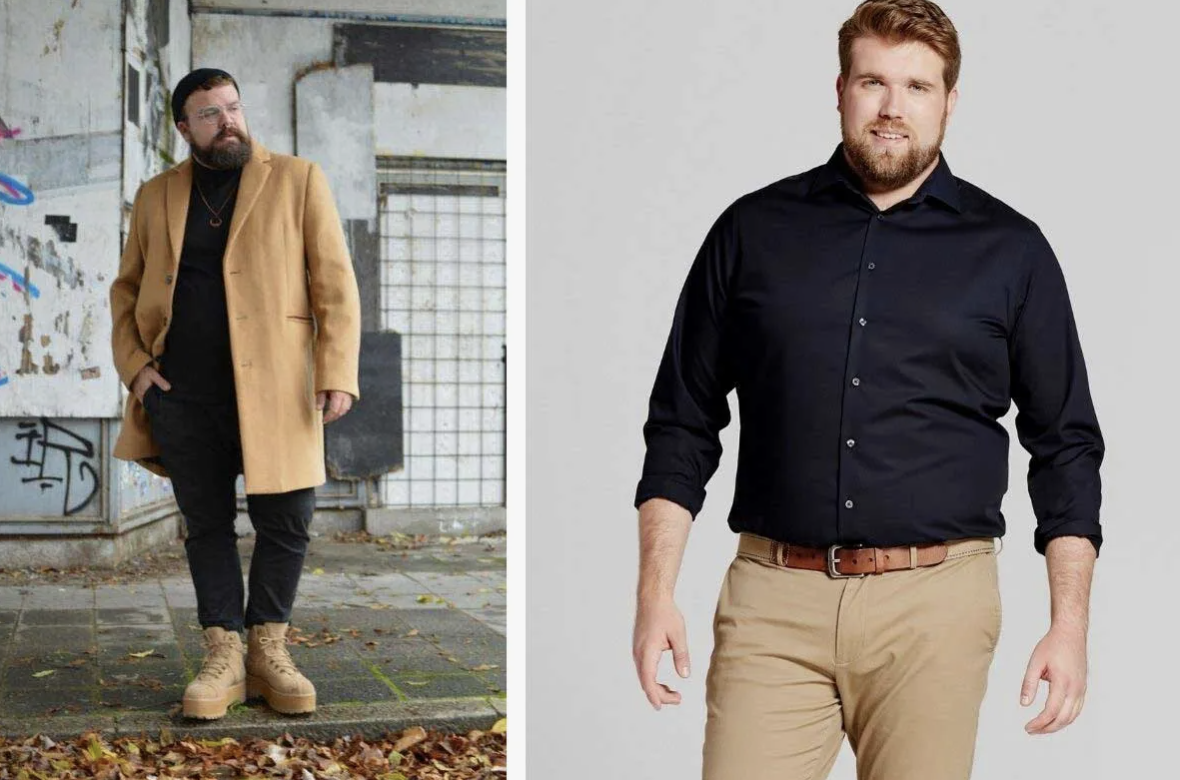
Colors, Details, and Layering
Dark shades do create a visual effect of slimness, but that doesn’t mean the entire wardrobe should be black. Deep blue, graphite, khaki, or chocolate tones work just as well. The main thing is to avoid sharp horizontal accents around the waist: bright belts, large logos, and bulky pockets.
Layering is another powerful tool: a T-shirt with a shirt or a thin sweater under a blazer creates vertical lines that automatically elongate the silhouette and distract from the belly area.
Shoes and Accessories: Balancing Proportions
Chunky shoes can balance the overall silhouette, especially if the top looks heavier due to layering. Too delicate sneakers or loafers, on the contrary, can make the top visually cumbersome.
As for accessories, belts without flashy buckles and neat bags (for example, a backpack or tote) can complement the look without drawing attention to the belly. A too large shoulder bag, on the other hand, can inadvertently highlight this area.