
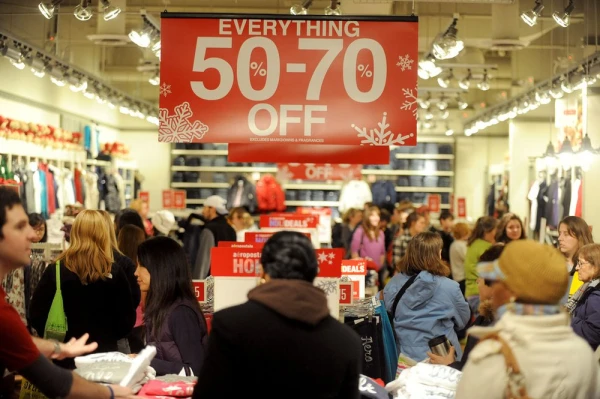
Saving seems like a logical choice: buy cheaper and save money, right? In practice, this strategy often turns into constant expenses, irritation, and hidden costs that are hard to notice at the moment of purchase. Understanding why the principle of 'choosing the lowest' often does not work helps to view purchases differently.
Saving money seems reasonable at first glance, but it can lead to the opposite effect: frequent replacements, loss of time, and constant additional expenses. It is important to consider not only the price tag but also the actual cost of an item as a whole — including its lifespan, convenience, and quality of use.
Cheap Breaks Down Quickly
The most common trap is low price = low quality. Often, products made from budget materials break or wear out significantly faster. As a result, you have to spend money and time again on repurchasing. Despite their low cost, such items ultimately end up being more expensive than one quality item with a long lifespan.
Time Also Costs Money
When a purchase breaks down, expenses are not limited to just the replacement cost. Significant time is spent on searching, buying, repairing, and returning the product. Ultimately, savings turn into a routine that not only "eats up" money but also takes away life resources — something we often underestimate when choosing something simpler.
Unstable Performance of Cheap Products
Budget items often turn out to be unpredictable: shoes may rub, electronics may freeze, and clothes may fit uncomfortably. You have to adapt to the shortcomings, endure discomfort, or seek compromises. In the end, such a "frugal" choice becomes a backdrop of constant discomfort, which also affects emotional state and energy.
The Illusion of a Good Price in the Mind
Often, our brain automatically associates a low price with a bargain, even if the overall expenses are higher. We look at the number on the price tag and think: "I paid less — I am saving." But the real cost is not just the purchase price, but also durability, quality of use, and enjoyment from using it. Many "bargain" expenses stop looking so when viewed comprehensively.
'A Penny Saved is a Penny Earned': A Folk Wisdom with Real Meaning
This well-known saying is not accidental — it reflects what happens when we focus only on the minimum price. Often, a quality item for which we pay more once turns out to be more economical in the end: it lasts longer and does not require constant replacement or repair. This approach can be called sustainable savings, as opposed to the illusory "benefit of cheap."
















Leave a comment