
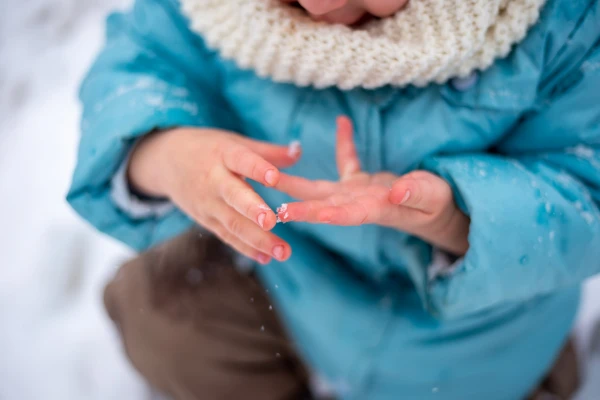
In winter, the cold can pose a real threat to health, especially if frozen hands or feet are warmed incorrectly. Emergency physician Vladimir Matyuk explains how to safely provide first aid for frostbite and what should be strictly avoided.
Dangerous Actions in Frostbite
- Hot bath for extremities. High temperatures can cause burns as skin sensitivity is reduced.
- Alcohol. Beverages dilate blood vessels, increasing heat loss and accelerating hypothermia.
- Proximity to fire or heater, using a hairdryer. This can lead to additional skin damage.
- Strong or prolonged rubbing of the skin. Light rubbing with snow or cool water for up to one minute helps restore circulation, but excessive friction can injure tissues.
Correct Actions in Frostbite
- Move the affected person to a warm room.
- Remove wet clothing, shoes, and socks.
- Wrap the affected areas with sterile gauze, cotton, and then more gauze, covering it with a wool scarf, shawl, or plastic sheet.
- Provide warm sweet tea or water to restore internal warmth.
When Medical Help is Needed
- Appearance of blisters on the skin.
- Severe swelling, cyanosis, or blackening of the skin.
- Frostbite in a child or elderly person.
Following these rules helps reduce the risk of complications and maintain health even in severe frost.















Leave a comment