
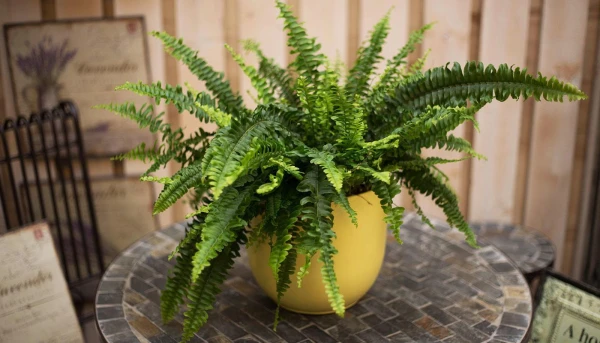
Houseplants enliven the interior, but some of them can cause allergies and poisoning. According to experts, the most allergenic houseplants include geranium, ferns, philodendron, dieffenbachia, alocasia, cyclamen, and jade plant. For example, geraniums contain essential oils – powerful allergens that provoke headaches, rashes, and breathing difficulties, and their strong scent can trigger an asthma attack.
Top 5 Allergenic Houseplants
-
Geranium (Pelargonium): essential oils irritate the respiratory tract and skin; in sensitive individuals, the scent can trigger asthma and headaches.
-
Ferns: fern spores act like pollen and can cause coughing and choking when inhaled.
-
Philodendron: the sap contains calcium oxalate, which causes burning and swelling upon contact with skin or mucous membranes.
-
Dieffenbachia: toxic alkaloids in the sap cause severe burns and throat swelling.
-
Cyclamen: contains essential oils; in allergy sufferers, it can provoke runny nose and skin reactions.
How to Identify an Allergen
If symptoms (sneezing, runny nose, tearing, skin itching) occur in the presence of plants and disappear in fresh air, the flower is likely to blame. You can identify the source by eliminating them one by one:
-
Remove the suspicious flower for 1–2 weeks – if your condition improves, it was the allergen.
-
If you have several new plants, remove them one at a time with a few days in between.
-
Check the correlation of symptoms with the date of appearance or purchase of the flower.
What to Do if You Have Allergies but Need Plants
If the diagnosis is confirmed, avoid flowering plants with strong scents: do not place geraniums, lilies, or hyacinths in the bedroom or children's room. For coziness, choose safe species without strong odors – chlorophytum, sansevieria, spathiphyllum, dracaenas. When working with plants, wear gloves and wash your hands, especially after repotting or pruning. Regularly wipe the leaves with a soft damp cloth – accumulated dust on them exacerbates allergies.
Phytodesign and Health: Safe Plants and Care
For a healthy interior, combine decorativeness with safety. Prefer "air purifiers" without bright flowers: chlorophytums, peperomias, and sansevierias are considered among the safest. Place pots in well-ventilated rooms, at least one meter away from the bed. Use proper watering systems for humidity – stagnant water in the saucer can promote mold growth.
Safe Replacements for Allergenic Plants
-
Replace geraniums with chlorophytum – it is hypoallergenic and purifies the air.
-
Instead of dieffenbachia/philodendron, choose peperomia or sansevieria – these plants do not contain stinging crystals and hardly flower.
-
Instead of strongly scented cyclamen, plant a phalaenopsis orchid – it has almost no pollen in the air and is considered hypoallergenic.
These measures will help maintain a fresh and safe microclimate in the home. If allergy symptoms persist, consult an allergist for diagnosis and treatment.
















Leave a comment