Hypothermia is a dangerous condition that is often underestimated in everyday life. Doctors emphasize that knowledge of the signs of hypothermia and basic first aid rules is critically important during the winter period.
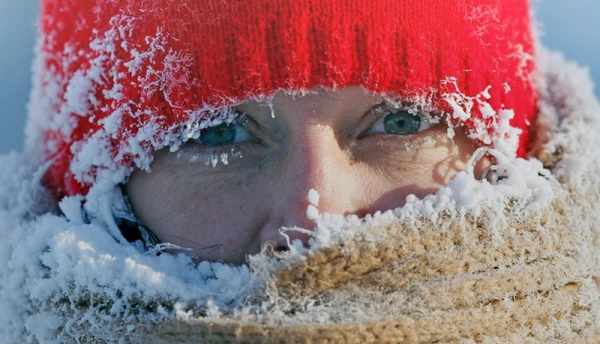
Hypothermia can develop gradually and unnoticed, especially during the cold season. It threatens not only those who spend a long time outdoors in the cold but also people in cold indoor environments when the air temperature drops below +10°C.
Experts urge individuals to closely monitor their own condition and the well-being of their loved ones, as delays in providing assistance can have serious consequences.
What Are the Signs of Hypothermia?
Symptoms of hypothermia usually develop gradually. Among the first manifestations are shivering, slurred speech, slowed breathing, and weak pulse. Coordination disturbances, drowsiness, confusion, and memory impairment may also occur.
In severe cases, loss of consciousness and cold, sometimes bright red skin may be possible.
What to Do in Case of Hypothermia?
First and foremost, it is necessary to eliminate exposure to the cold: go indoors or seek shelter from the wind. Wet clothing should be immediately replaced with dry clothing.
Warming should be gradual — warm, dry compresses can be applied to the neck, chest, or groin areas. It is recommended to drink warm non-alcoholic beverages with sugar and perform light movements to improve circulation.
What Not to Do in Case of Hypothermia?
Doctors warn against rapid warming — hot baths or direct exposure to a heater can be harmful. Rubbing the limbs, consuming alcohol, or smoking should be avoided, as these create additional strain on the heart and worsen circulation.
How to Prevent Hypothermia?
Prevention starts with appropriate clothing. In winter, it is advisable to dress in layers: the first layer should be made of moisture-wicking materials, the second should retain heat, and the outer layer should protect against wind and precipitation. Hats, gloves, scarves, and waterproof footwear remain essential during cold spells.
So:
-
Hypothermia can occur not only outdoors but also in rooms with temperatures below +10°C.
-
People who are dehydrated, exhausted, or have chronic illnesses are at the highest risk.
-
Timely recognition of symptoms and appropriate actions can save lives.